This robot is powered by a ‘brain’ made from human stem cells
 Claire Reid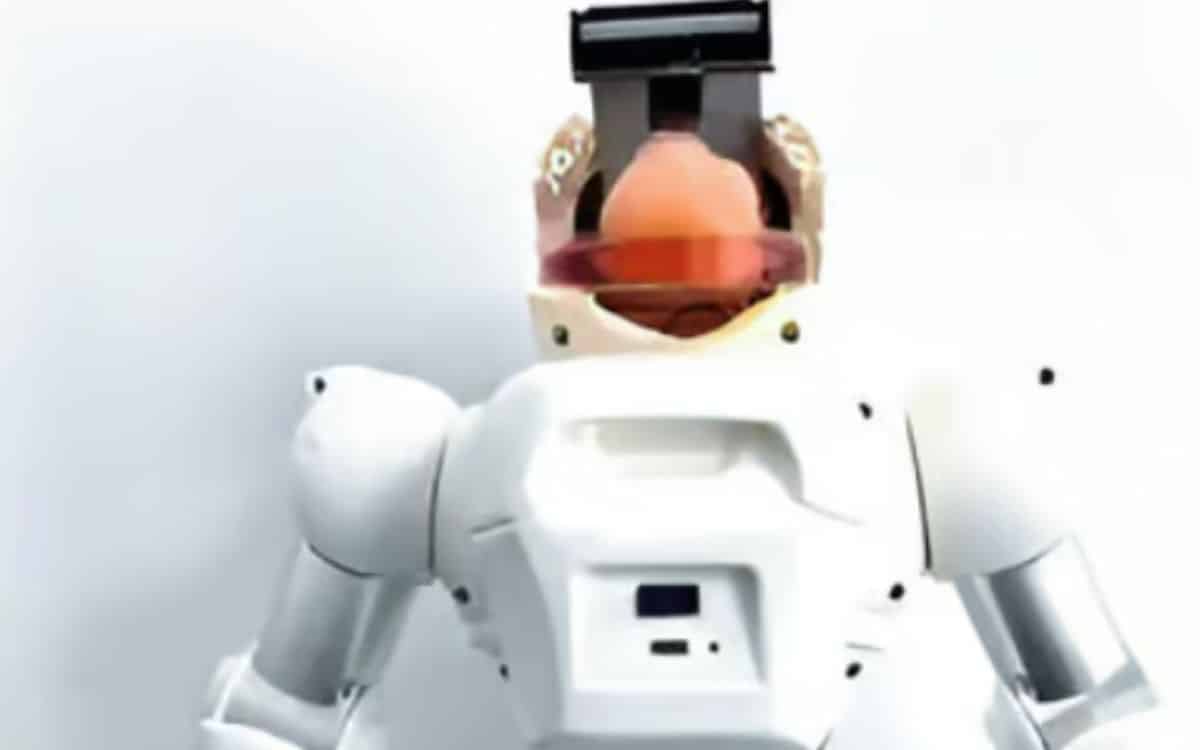


Scientists have created a groundbreaking robot that is controlled by human brain cells.
Researchers from China’s Tianjin University have made a first-of-its-kind robot that has a lab-grown brain and can be taught to perform various tasks.
The whole thing may sound a little bit like the plot of a science-fiction B movie, but the ‘brain-on-chip technology’ is very much in the realm of science fact.
READ MORE! Finding out how Neuralink actually works is taking many by surprise
How does the ‘human brain’ work in the robot?
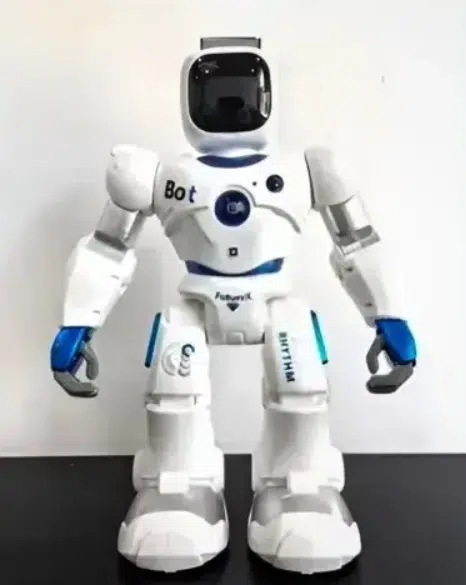
The team of scientists from Tianjin University and the Southern University of Science and Technology used a brain organoid, which is made from tissue derived from human stem cells, with a neural interface chip.
When the two are used together in the robot, it is able to encode and decode stimulation feedback.
The specially designed chip is used to power the robot and teach simple tasks – such as avoiding obstacles or gripping objects. Pretty smart, right?
Tianjin said the technology is ‘the world’s first open-source brain-on-chip intelligent complex information interaction system’, according to the South China Morning Post.
The technology could be game-changing
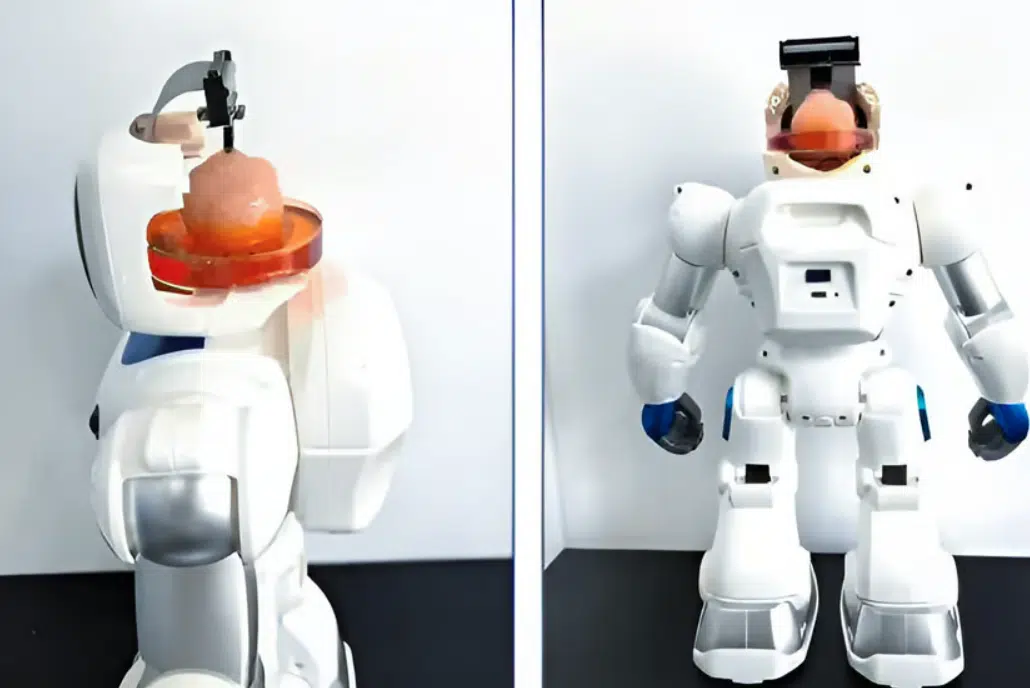
The experts went on to say the research could help lead to the development of hybrid human-robot intelligence.
A paper published by the researchers said the techniques and technology used could also be useful in the development of new treatments to treat neurodevelopmental disorders and repair damage to the cerebral cortex.
“Brain organoid transplants are considered a promising strategy for restoring brain function by replacing lost neurons and reconstructing neural circuits,” the team said, as per SCMP.
This robot has been unveiled after Swiss tech firm FinalSpark revealed they had made a world-first ‘living computer’ by connecting up lab-grown human brain cells, enabling them to send information to each other.
Its creators say the slightly Frankeinstein-esque project could help lower carbon emissions in the tech industry.
Meanwhile, a different set of scientists recently fitted robots with lab-grown skin.
Researchers said the thin layer of human-like skin enabled the robots to better perform facial expressions.
According to the team, this specially-bonded ‘skin’ could lead to ‘increased mobility, self-healing abilities, embedded sensing capabilities, and an increasingly lifelike appearance’.
The future is here and it’s looking pretty creepy…
DISCOVER SBX CARS: The global premium car auction platform powered by Supercar Blondie
Follow topics and authors from this story to see more like this in your personalised homepage feed and to receive email updates.