Three-finger test can immediately identify if you're speaking to an AI deepfake and protect you from scams

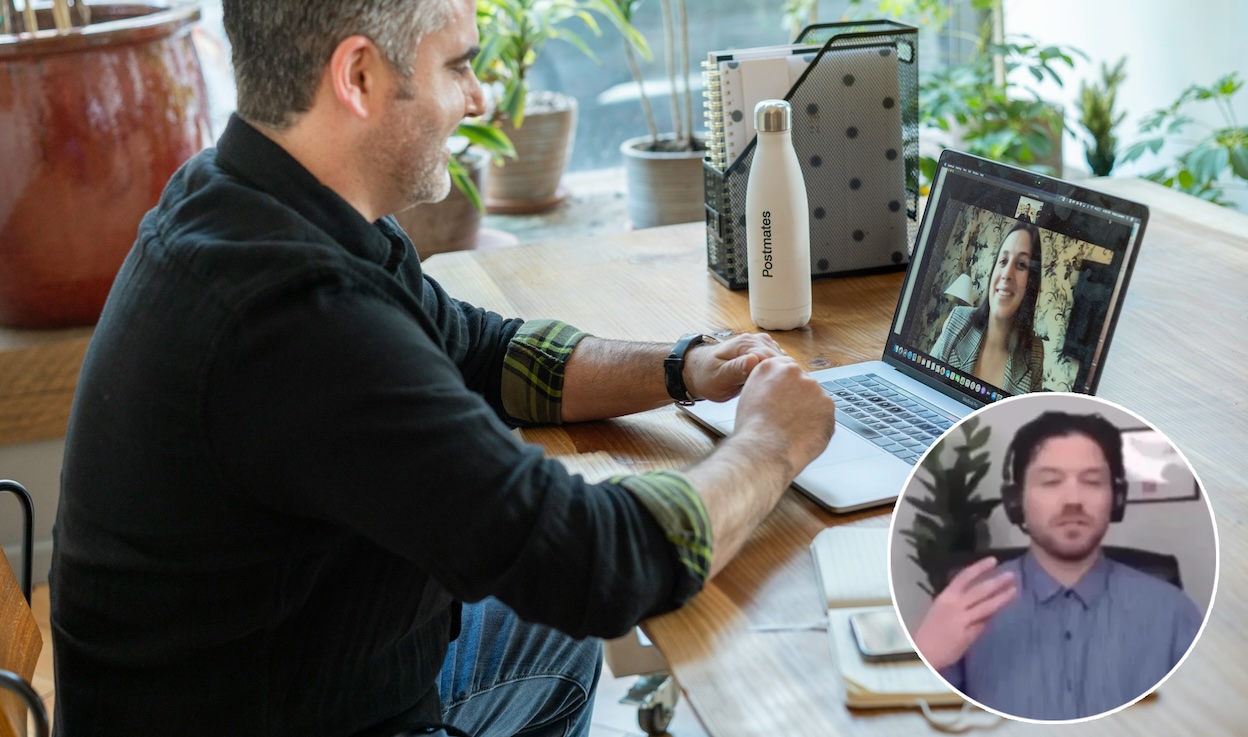

The internet has become obsessed with a so-called three-finger test that can supposedly reveal whether the person on your screen is actually an AI deepfake.
It sounds almost too simple, but the idea is that asking someone on a live video call to hold up three fingers near their face can sometimes cause fake overlays to glitch.
In some cases, that tiny movement can throw off the software and briefly expose the real face underneath.
And with scammers getting bolder and AI tools getting creepier by the day, people are understandably desperate for a quick trick that might help keep them safe.
The three-finger test can immediately identify an AI deepfake
It’s a bit scary how easily you can get tricked by an AI deepfake these days; some artificial intelligences have gotten astonishingly good.
The tech trick has been doing the rounds online after security researchers and tech watchers highlighted how live deepfake systems can struggle when hands or fingers suddenly pass in front of a face.
That is why asking someone to hold up three fingers can be surprisingly revealing.
If the person refuses, acts strangely, or the face starts flickering and breaking apart, that could be a major red flag.

It is a simple hack that feels almost laughably basic, but that is also why it has gone viral.
You do not need specialist software, and you do not need to be a cybersecurity expert to do it.
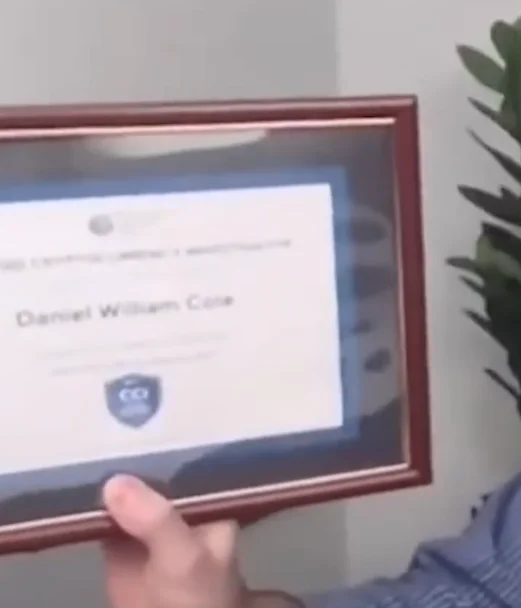
An example video from Huntress Labs shows an AI deepfake refusing to hold three fingers up in front of its face, but using a certificate to try to convince the person on the call to trust it.
It isn’t a magic shield
As clever as the three-finger test sounds, experts are also urging people not to treat it like some guaranteed scam-proof superpower.
Specialists warned that older deepfake systems were easier to trip up, but the technology is improving fast, and many newer models are getting much better at adapting in real time.
That means the three-finger trick might still be worth keeping in your back pocket, but it should be one check among many, not the only one.
If something feels off on a call, it’s still smart to verify who you are speaking to in other ways, especially if money, passwords, or personal information are involved.
In 2026, asking someone to do the three-finger test might save you from a scam, but trusting that move alone could also give a false sense of security.