Chinese company builds $4,000 autonomous robo-toilet that can drive across your home when you need to go

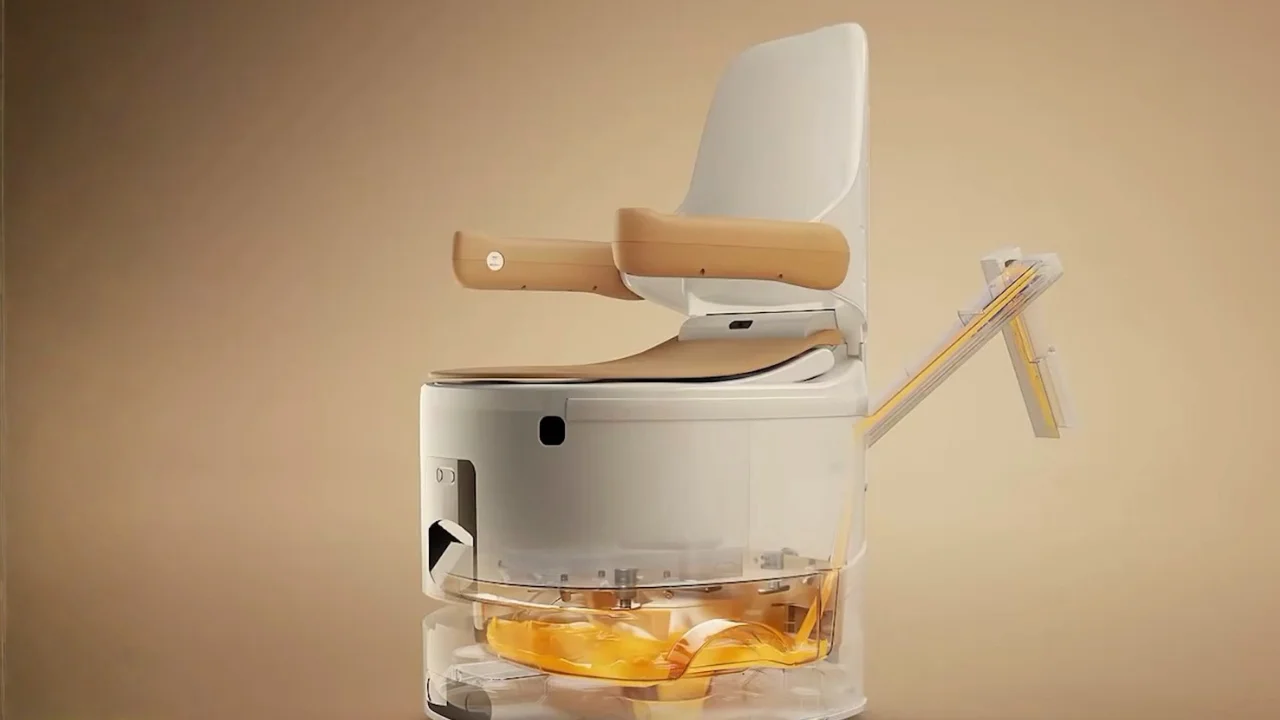

Finally it’s here: a Chinese company has built a $4,000 autonomous robo-toilet that can drive across your home when nature calls.
Xiaoban can navigate around your home by itself, clean itself after use, and even return to its dock when it’s finished.
And while it sounds like something from a very strange episode of Black Mirror, there’s a surprisingly practical reason for its existence.
The bizarre-looking machine has been designed to help elderly people and those with limited mobility avoid the potentially difficult journey to the bathroom.
This $4,000 autonomous robo-toilet comes to you
The futuristic robo-toilet was unveiled by Chinese company YUEBAN at the 2026 Shanghai International Aged Care, Assistive Devices and Rehabilitation Medical Expo.
It was presented as an accessible assistive device for people who are elderly, disabled, or recovering from injuries or surgery.
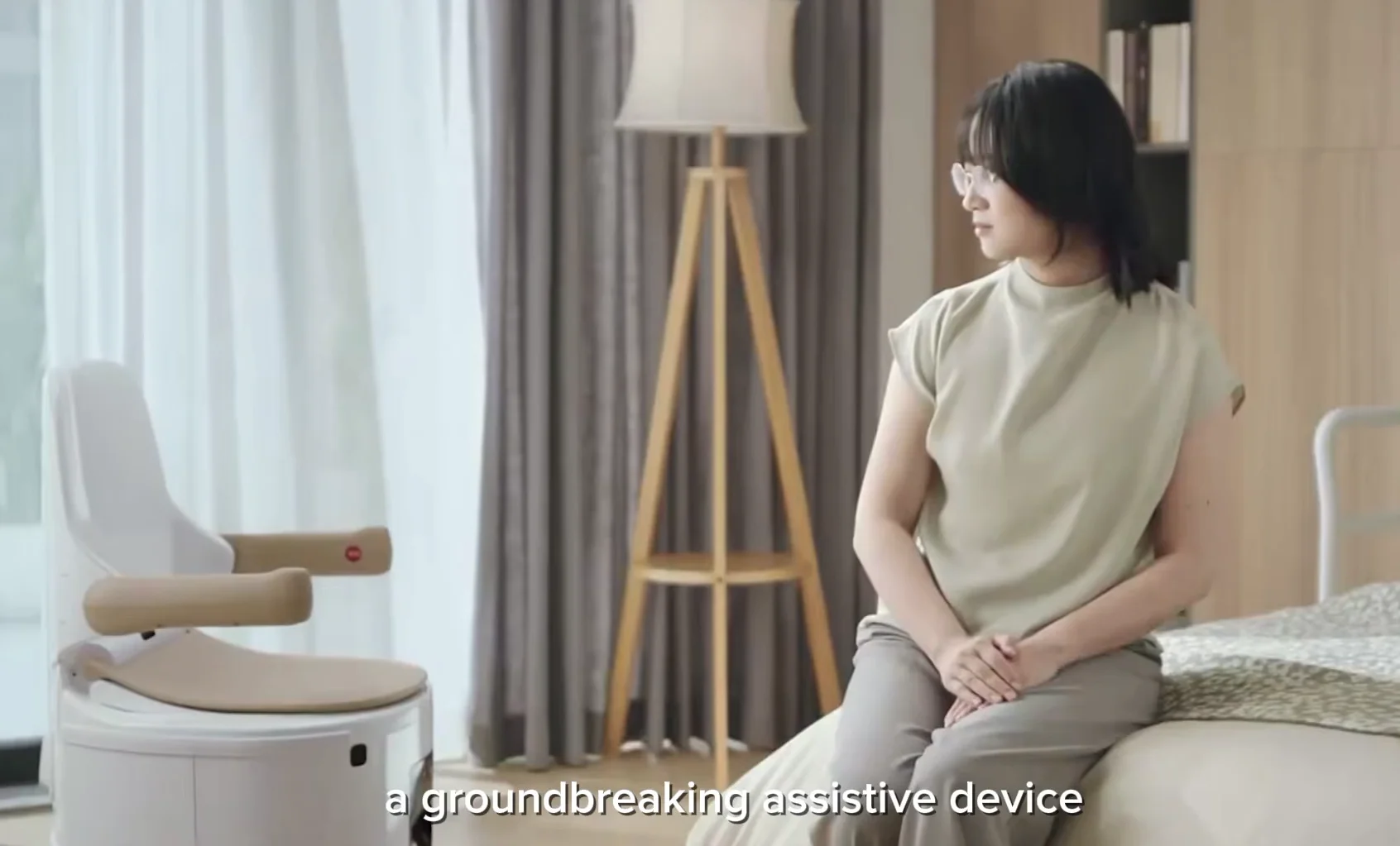
The idea is incredibly simple: instead of someone with mobility problems having to make their way to the bathroom, the bathroom comes to them.
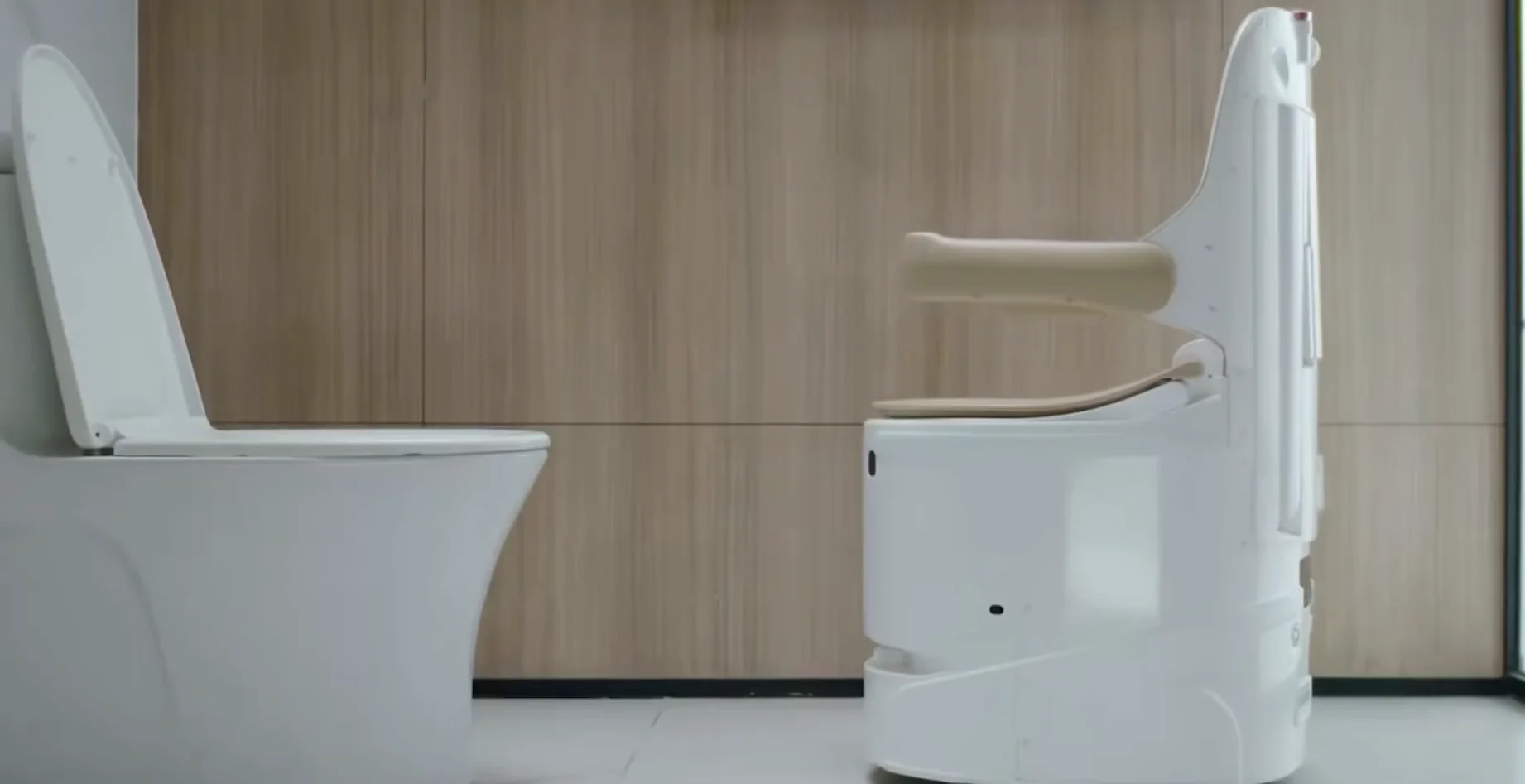
Users can summon the smart toilet using a large-button remote or offline voice controls, meaning they don’t need to operate a smartphone or complicated app.
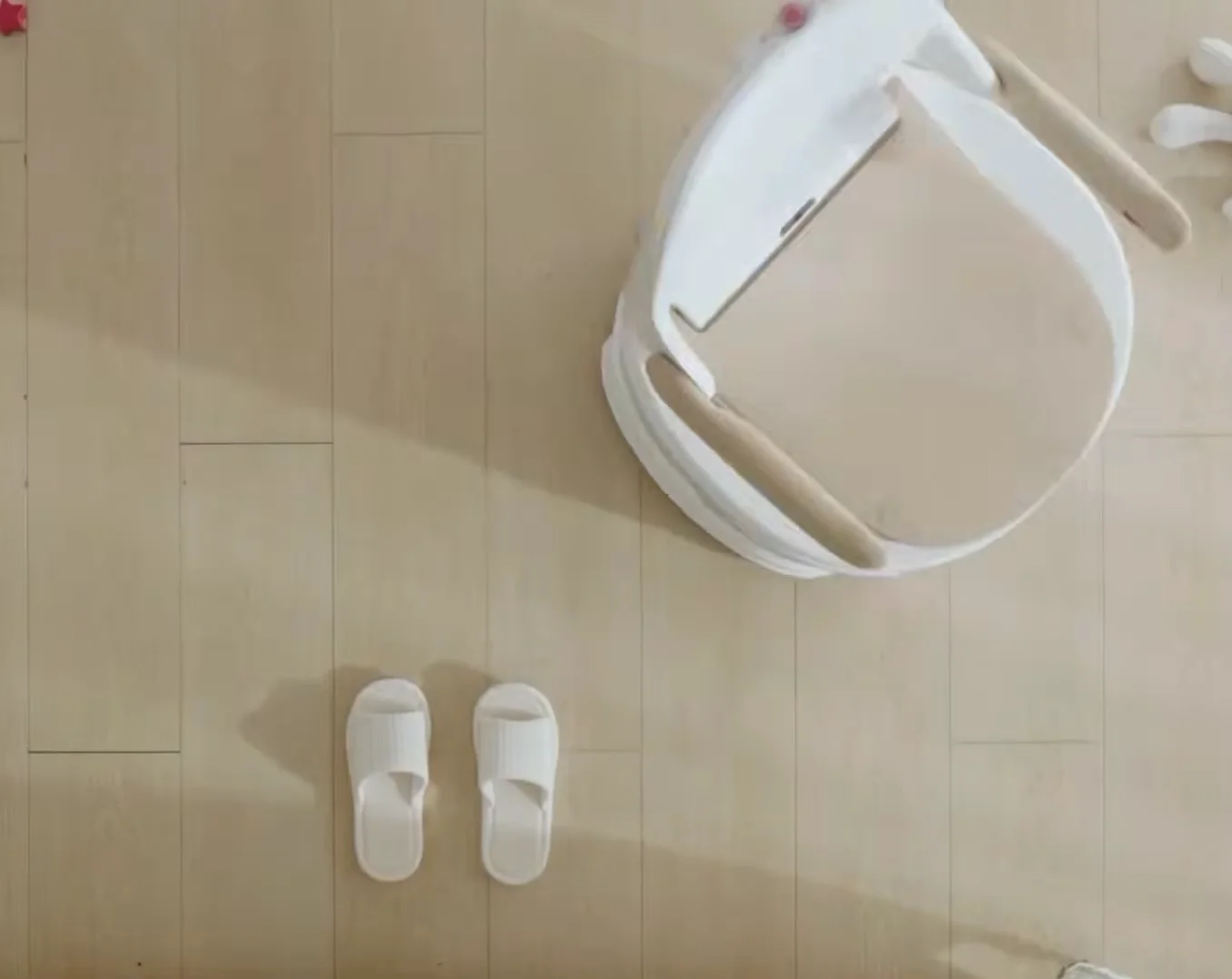
Once activated, the robot uses a combination of LiDAR, laser, and ultrasonic sensors to map its surroundings, avoid obstacles, and navigate around the home.
It can reportedly recognize things like furniture, doorways and stairs while working out a route to its destination, making the whole process more hands-off.
And, naturally, the toilet itself is considerably more sophisticated than the average commode.
Xiaoban has a built-in bidet, warm-air dryer and systems designed to control odors.
After use, it can automatically clean and disinfect itself, with UV sterilization and sealed waste storage designed to reduce unpleasant smells and the amount of manual cleaning required, this is no ordinary toilet.
The device could make life easier for caregivers
Once it’s finished its business, Xiaoban can make its own way back to a docking station.
The station can connect to household plumbing and drainage, allowing the robot to dispose of waste, clean itself, replenish its water and recharge.
There’s even a built-in grinder designed to break down waste and help prevent blockages.
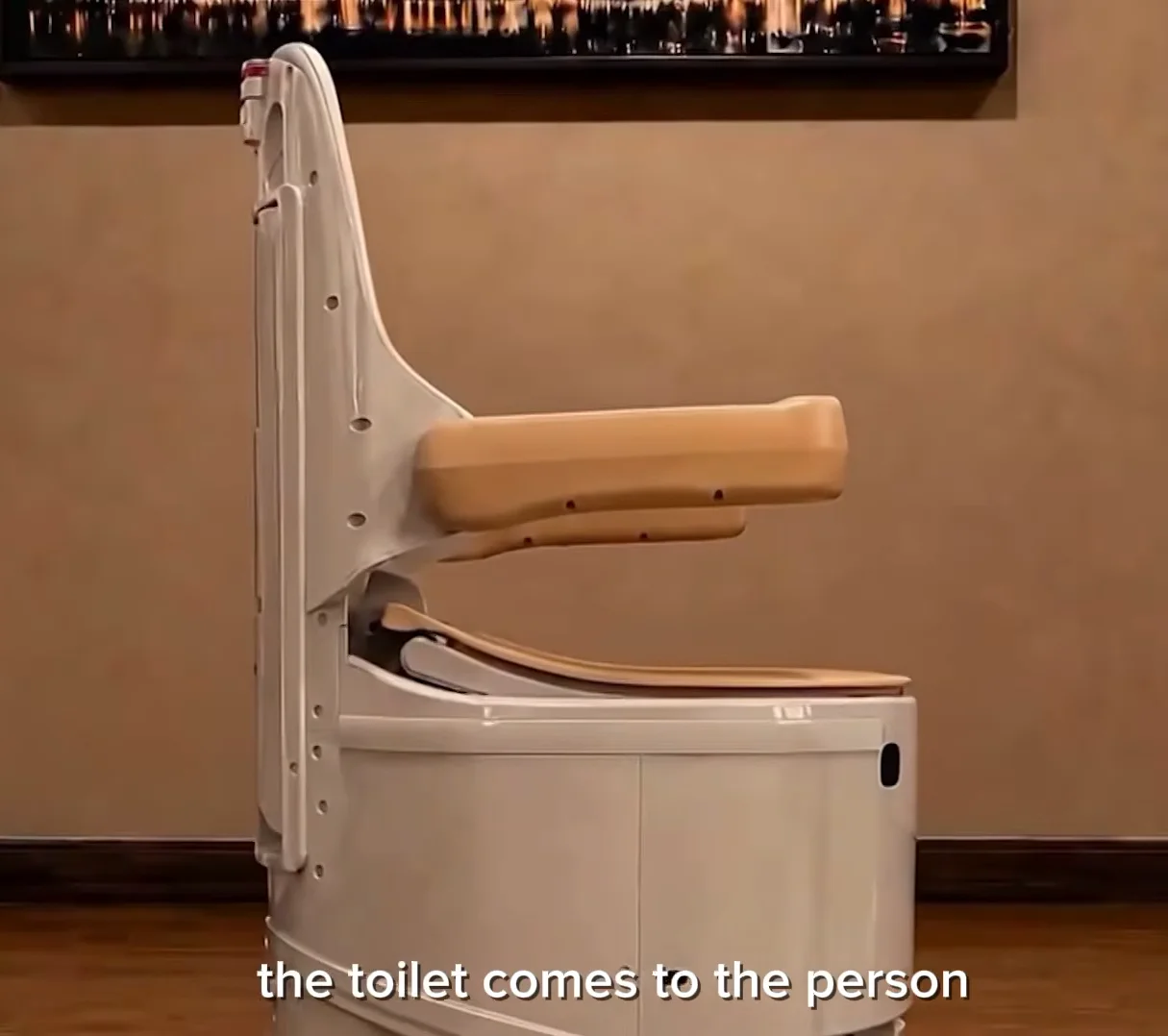
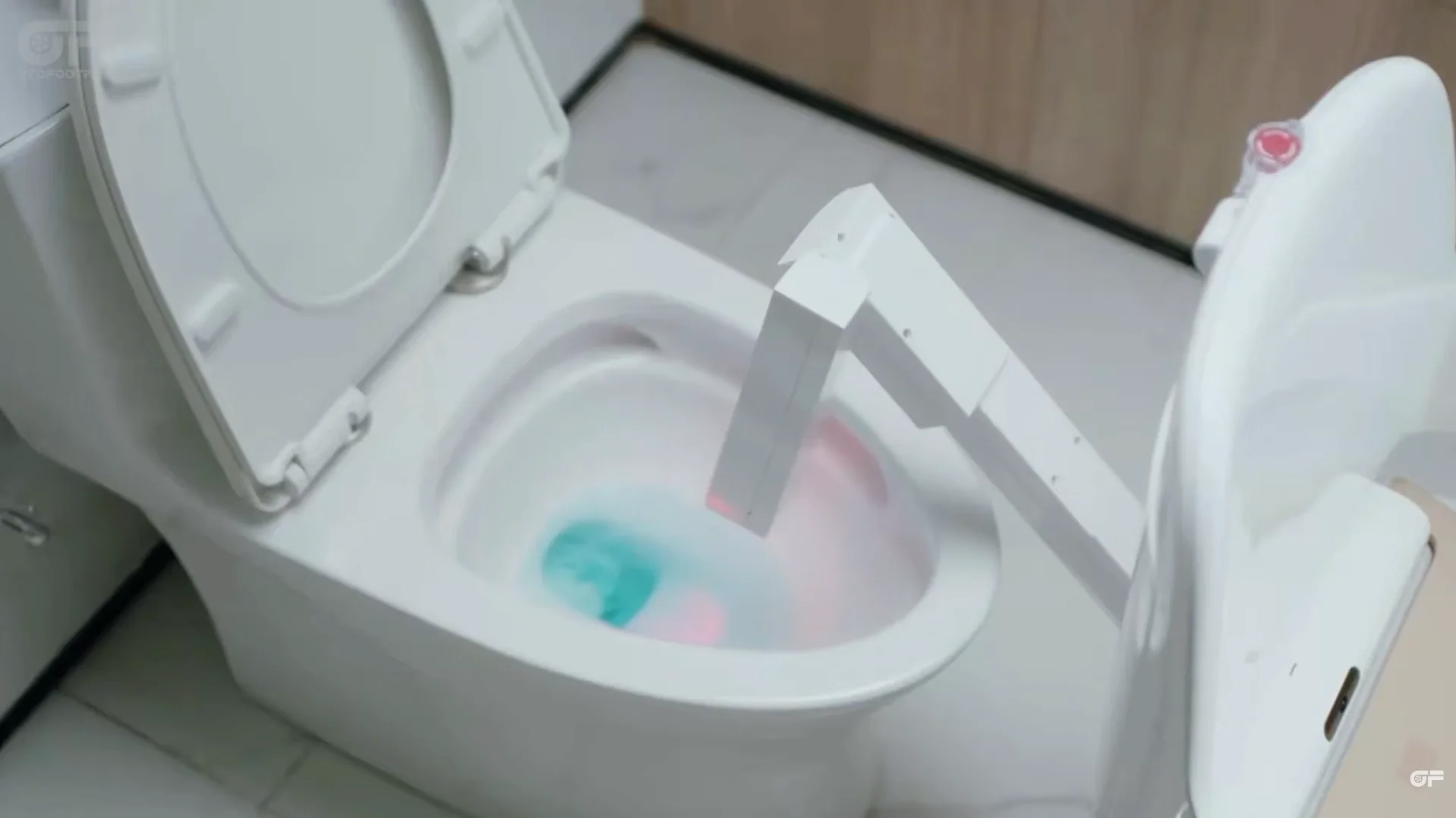
If the docking station lacks drainage, the robot can reportedly travel to a bathroom and use an extending mechanism to transfer its waste into a conventional toilet.
The cleverest part, though, may be the fact that the Chinese smart toilet isn’t really trying to replace human caregivers.
Someone with significant mobility problems may still need assistance getting onto the toilet, but the robot can eliminate the need for a caregiver to physically escort them to the bathroom and deal with much of the cleanup afterward.
It also has an emergency call button built into the armrest, adding another layer of reassurance for users.
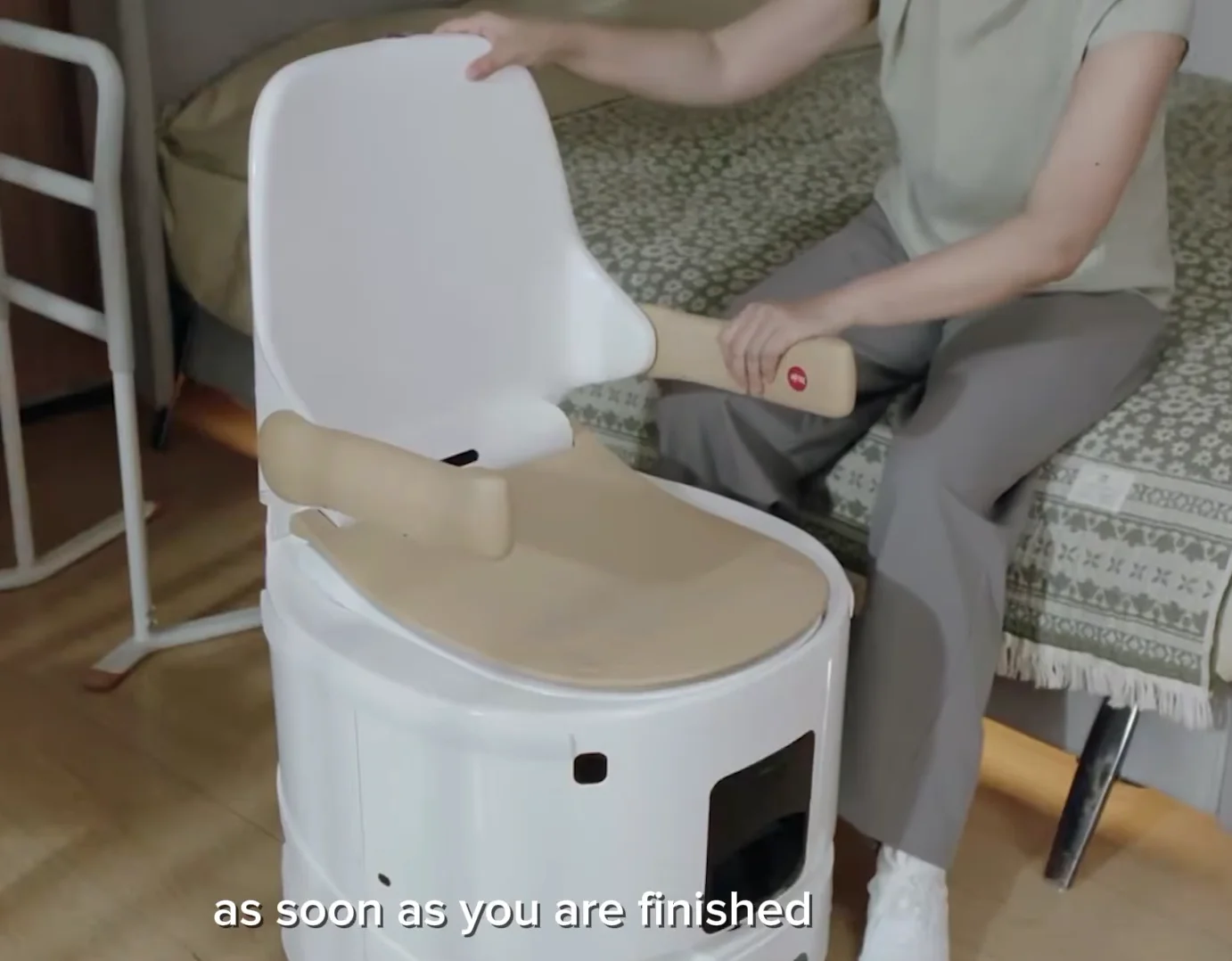
In China, Xiaoban is priced at ¥28,999, which works out at roughly $4,000-$4,300 depending on the exchange rate. International availability has not yet been confirmed.
It might be one of the strangest examples of home robotics we’ve seen yet, but there’s something genuinely useful about the idea.
While much of the attention around robots focuses on humanoids, factories, and futuristic AI, this Chinese robo-toilet is tackling a much more ordinary problem – helping people respond when nature calls in a more dignified, independent way.
A short history of accessibility devices
- 1700s – Wheelchairs: Early wheeled chairs begin evolving into dedicated mobility devices for people who couldn’t walk.
- 1800s – Prosthetic limbs: Advances in materials and engineering make artificial limbs increasingly practical and functional.
- 1930s – Modern wheelchair: Harry Jennings and Herbert Everest develop a folding wheelchair design that becomes hugely influential.
- 1960s – Powered wheelchairs: Electric motors give people with limited upper-body strength greater independence.
- 1980s – Stair lifts: Stair lifts become increasingly common in homes, helping people with mobility issues move between floors.
- 2000s – Smart prosthetics: Computer-controlled prosthetic limbs begin offering more natural movement and greater control.
- 2010s – Exoskeletons: Robotic exoskeletons emerge to help people with mobility impairments stand and walk.
- 2020s – Assistive robots: AI, sensors and autonomous navigation start being combined into everyday devices – including robots designed to help people move around their homes.