Your phone has sensors you have never used and a free app turns them into a physics laboratory

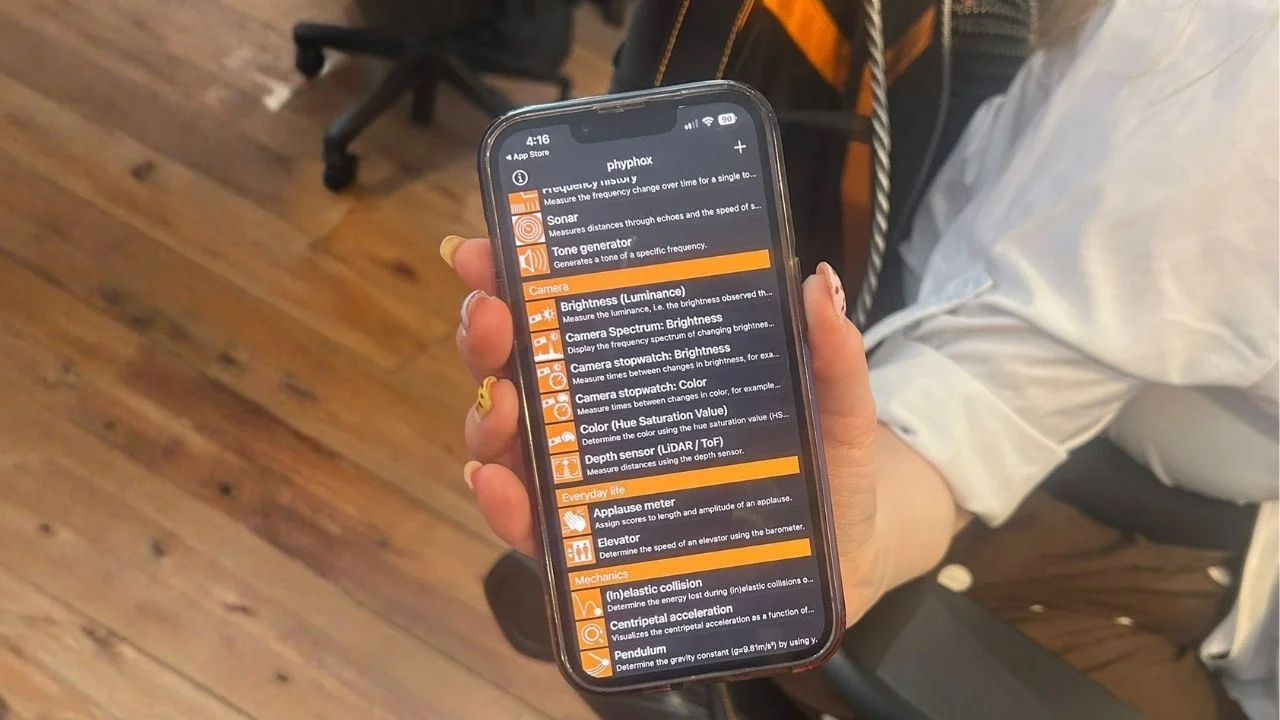

Did you know that your phone is actually way more powerful than you thought because it has sensors you have never used, and that there’s a free app that turns it into a physics laboratory?
We put the app to the test and discovered that our everyday devices could double as a full-blown science kit.
Using a simple app, we transformed our smartphone into something capable of running real physics experiments.
And the results show just how much hidden tech we carry around in our pockets every day.
Your phone has sensors you have never used
Modern smartphones are packed with tech, even sensors that go far beyond what most people ever use.
We’re talking accelerometers, gyroscopes, microphones, magnetometers, and even light sensors, all quietly working in the background.
These components can measure motion, orientation, sound, and even magnetic fields with surprising precision.
We used this simple app called Phyphox to run experiments that generally had to be run in a lab, with a hefty warning from the app that if you try it at home, your phone may suffer the consequences.
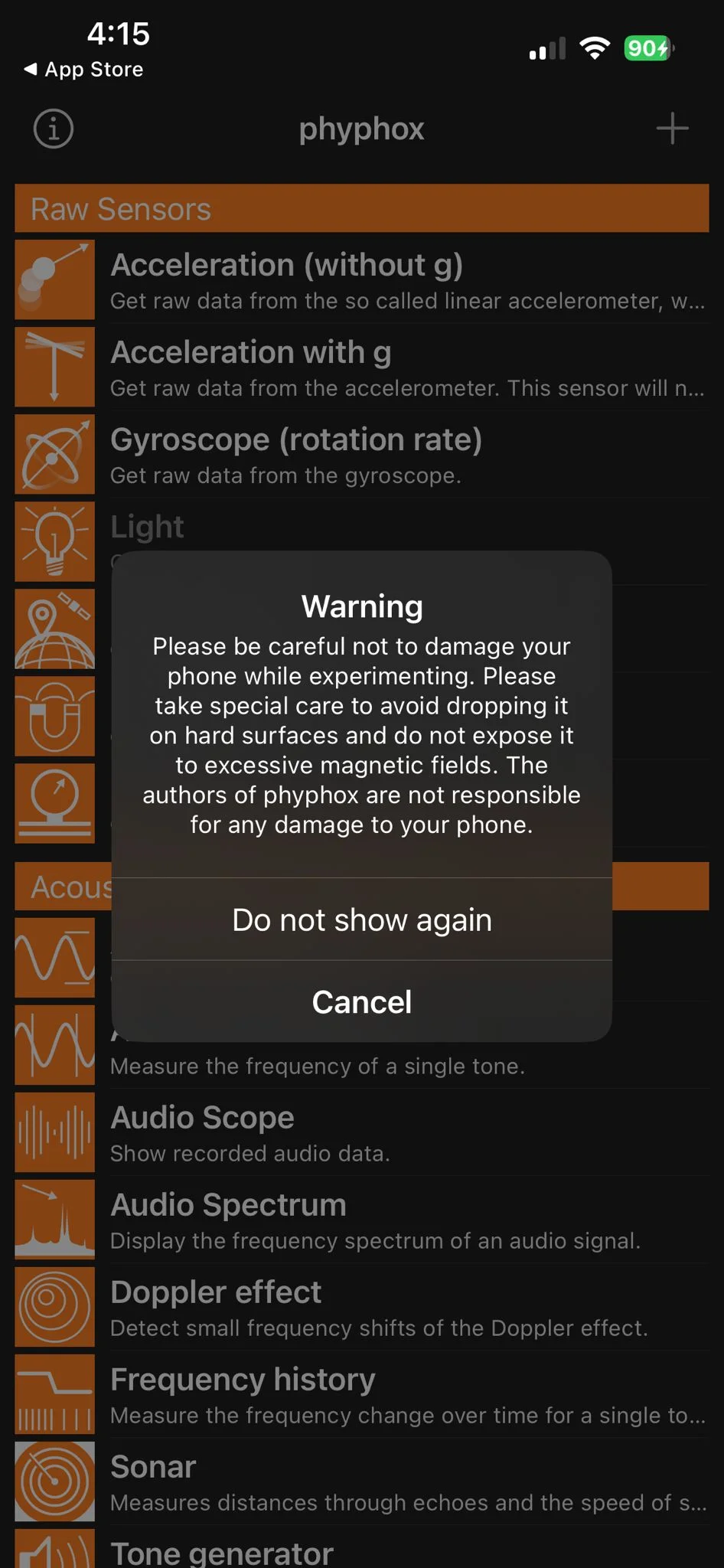
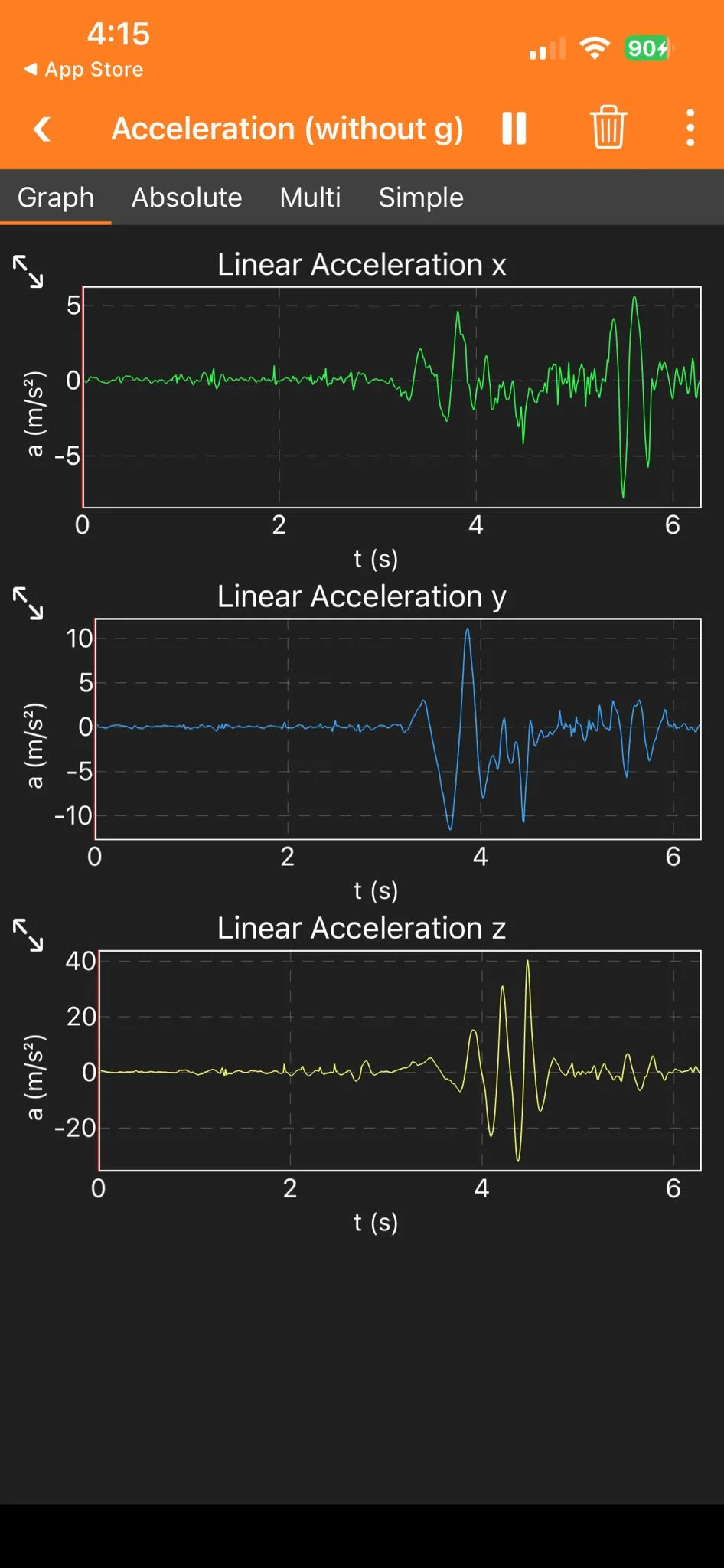
Our experiments included tracking movement, measuring acceleration, and analyzing forces in real time.
In fact, according to reports. Physics educators have already been using phones in classrooms because they can act as portable data collectors, letting students measure motion and forces directly from their own devices.
As one expert explained, smartphones can sometimes be ‘better than our lab instruments‘ when it comes to gathering certain types of data.
You can turn a free app into a physics laboratory
What makes this app even more interesting is how accessible it is.
You can run pre-built experiments in Phyphox, or you can build your own, perfect for physicists without the funds to run those experiments in a lab-based setting.
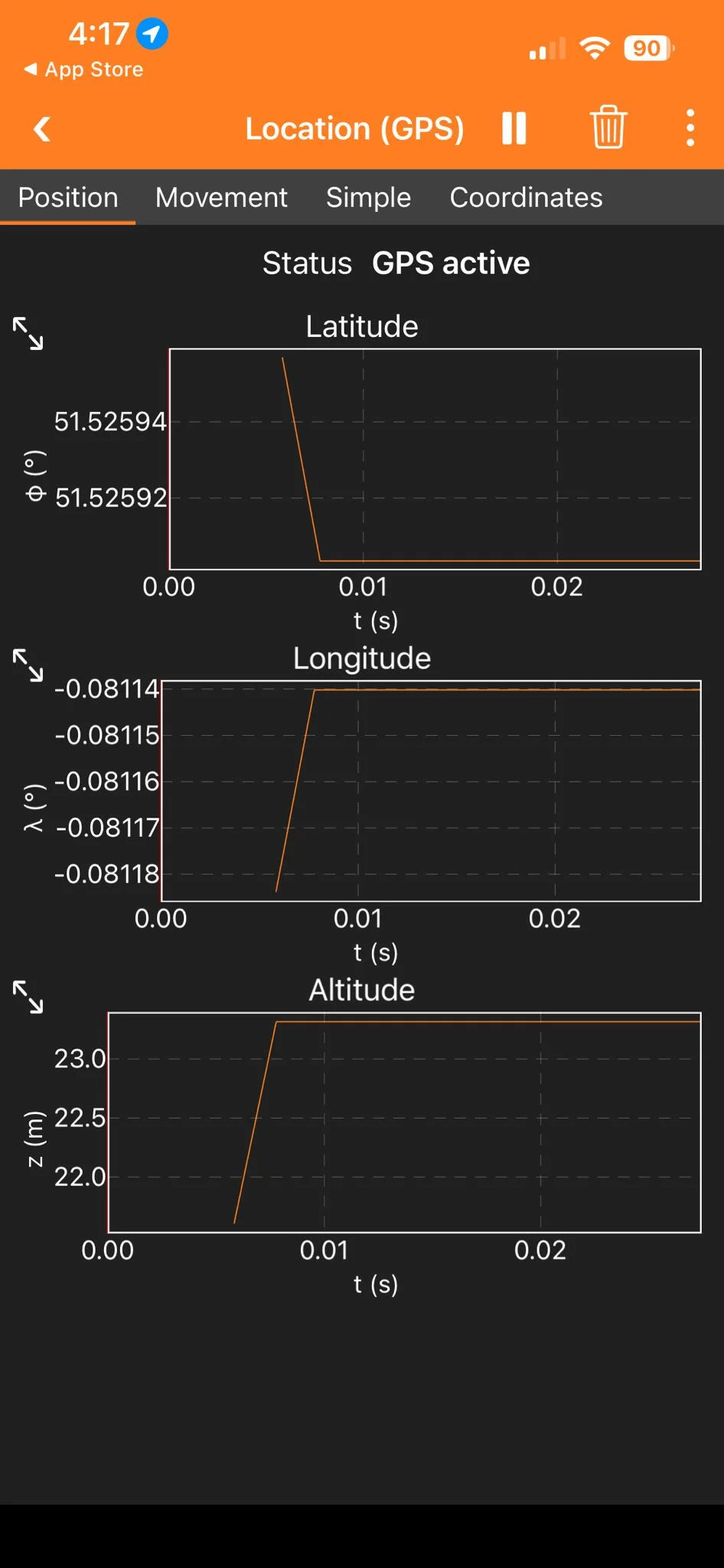
Instead of needing complex lab gear, you can simply press start and begin collecting data instantly.
The app can pull information from multiple sensors at once, letting users like us explore everything from motion and gravity to sound waves and magnetic fields.
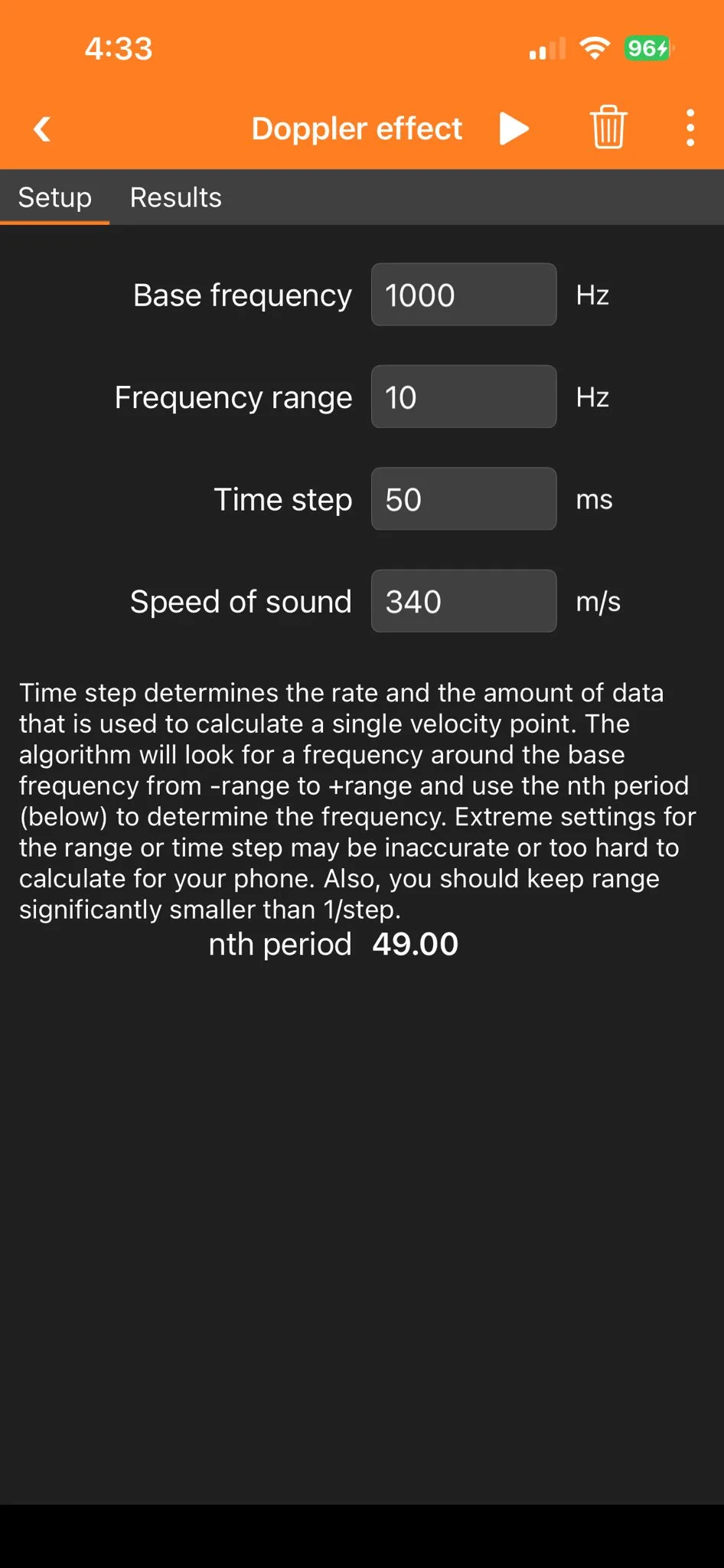
That means you can recreate classic physics experiments, like measuring acceleration during a jump or analyzing movement in an elevator, using nothing more than your gadget- you can even test the Doppler Effect.
You don’t just have to use your phone to doomscroll; you can do so much more than that.
Godspeed, budding physicists!