AI is able to spot pancreatic cancer years before a regular diagnosis would happen, study finds

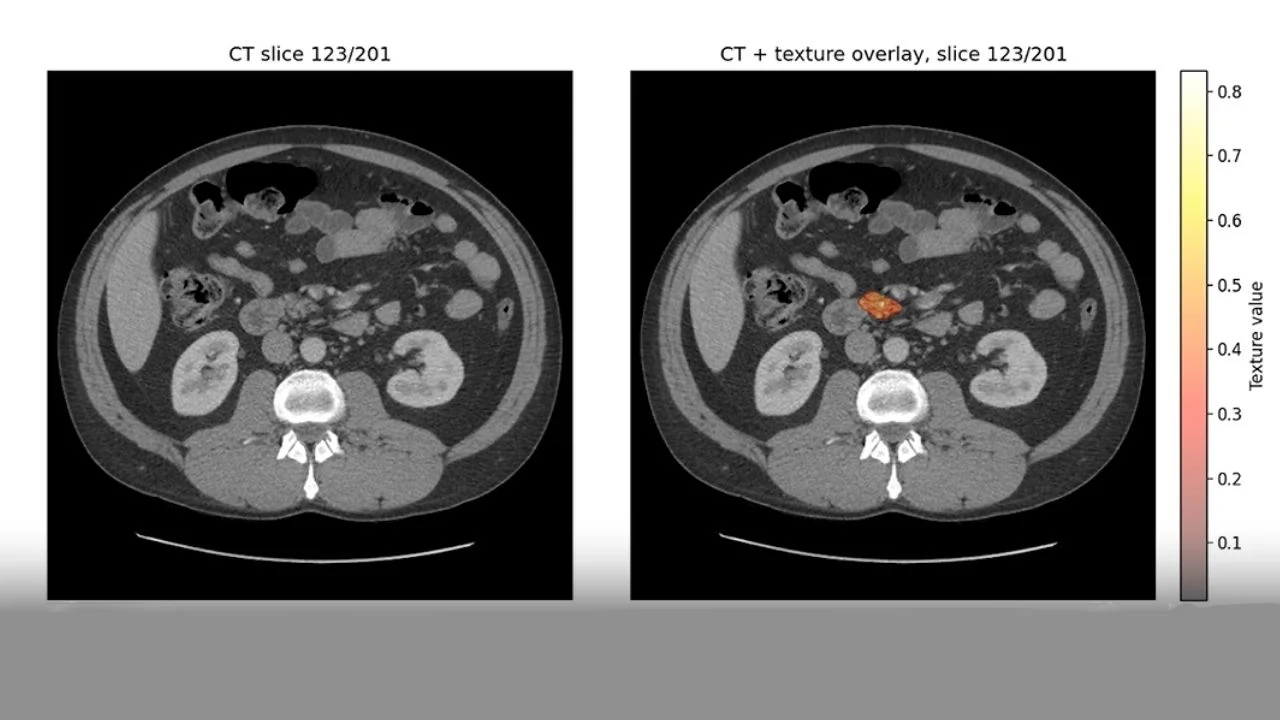

Researchers from the Mayo Clinic and the University of Texas MD Anderson Cancer Center have developed an AI system that could completely change how pancreatic cancer is detected.
The new technology can reportedly spot warning signs of the disease years before patients would usually be diagnosed.
By studying ordinary CT scans, the AI is able to notice tiny changes in the pancreas that human doctors could easily miss.
And because pancreatic cancer is one of the deadliest cancers in the world, researchers believe the breakthrough could eventually help save huge numbers of lives.
How researchers trained AI to spot hidden cancer warning signs
The new AI system, known as REDMOD, was created by scientists, tech developers, and radiologists working at the Mayo Clinic alongside cancer experts from MD Anderson in Texas.
Researchers trained the model using hundreds of CT scans from patients both with and without pancreatic cancer.
Over time, the AI learned how to recognize incredibly subtle patterns hidden inside the scans that might point to cancer developing long before symptoms appear.
The results surprised even the researchers.
According to the study, the AI successfully identified many pancreatic cancer cases roughly 16 months before patients officially received a diagnosis.
Scientists also believe some cases may be detectable as much as three years earlier, which is especially important because pancreatic cancer is notoriously difficult to catch early.
Most people do not realize anything is wrong until the cancer has already spread, which is one reason survival rates remain so low.
The breakthrough could transform pancreatic cancer medicine
The study involved specialists in radiology, cancer treatment, AI, and medical imaging all working together to train and test the system.
One of the lead researchers, Mayo Clinic radiologist Ajit Goenka, said early detection has always been the biggest challenge when fighting pancreatic cancer.
Researchers also found that the AI system performed significantly better than experts reviewing the same scans without AI assistance.
While the technology still needs more testing before it can become part of routine hospital care, scientists say the early results are incredibly promising.
The hope is that one day, AI tools like this could quietly scan medical images in the background and warn doctors about diseases years before patients even feel sick, and if that happens, it could completely change the future of cancer detection.