The alien character Rocky in Project Hail Mary is not CGI, it is a 3D printed fully operational puppet and the technology is extraordinary


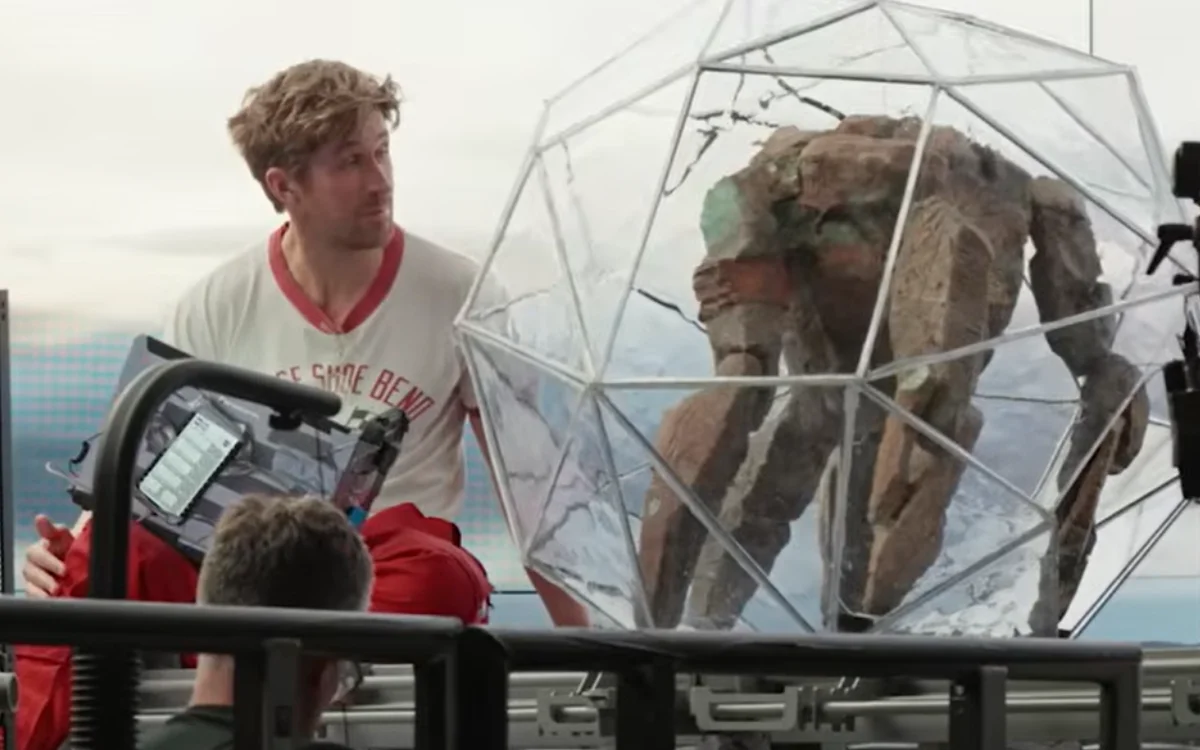

The alien character Rocky in the smash-hit blockbuster success Project Hail Mary can only be described as amaze, amaze, amaze, but he is not CGI; he’s a 3D printed, fully operational puppet, and the technology is extraordinary.
In an era where studios can build almost anything on a computer, the team behind this sci-fi epic chose the harder route and made Rocky real.
That decision turned the lovable alien into one of the film’s biggest technical achievements, combining advanced manufacturing, robotics, practical effects, and performance into a single on-set creation.
He is weird…ly cute, funny, and real in the best way, a real thumbs down for Rocky.
Rocky in Project Hail Mary is not CGI
It looks like Project Hail Mary is already the movie of the year, but the lovable frontman Ryan Gosling got upstaged by a faceless rock alien called Rocky.
Rather than relying entirely on computer tech and digital effects, the filmmakers created Rocky as a physical puppet using a highly technical production process.
The character was digitally designed, then brought into the real world through 3D printing and fabrication, before being formed into a lightweight but strong shell that could survive the demands of filming.
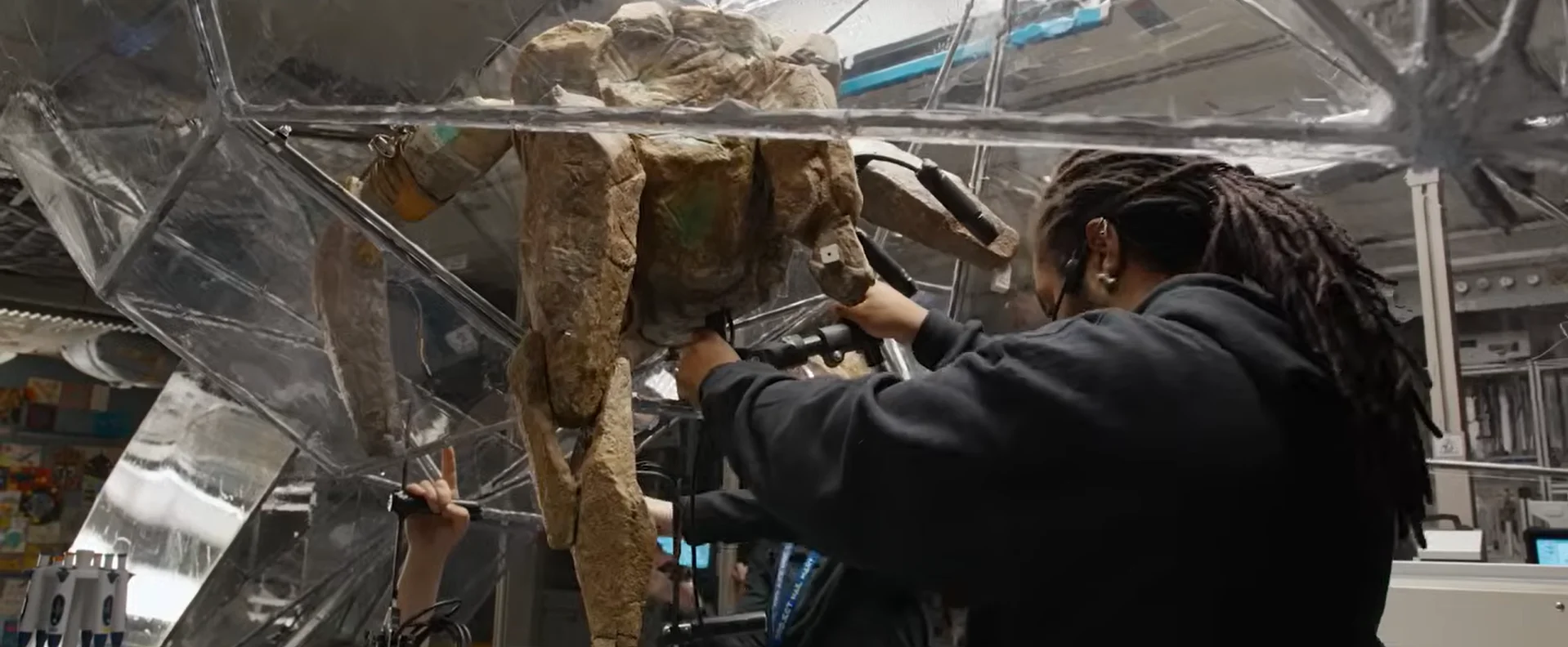
That meant Rocky wasn’t just something to look at; he was something that could actually exist in the space, under the lights, and alongside the actors.
Inside that shell, the technology gets even more impressive.
The alien was powered by advanced internal systems and precision-engineered motors that had to be refined for the character’s unusual movement style.
This wasn’t a standard animatronic built to copy human gestures; every motion had to feel totally unfamiliar, while still being controlled enough to read clearly on camera.
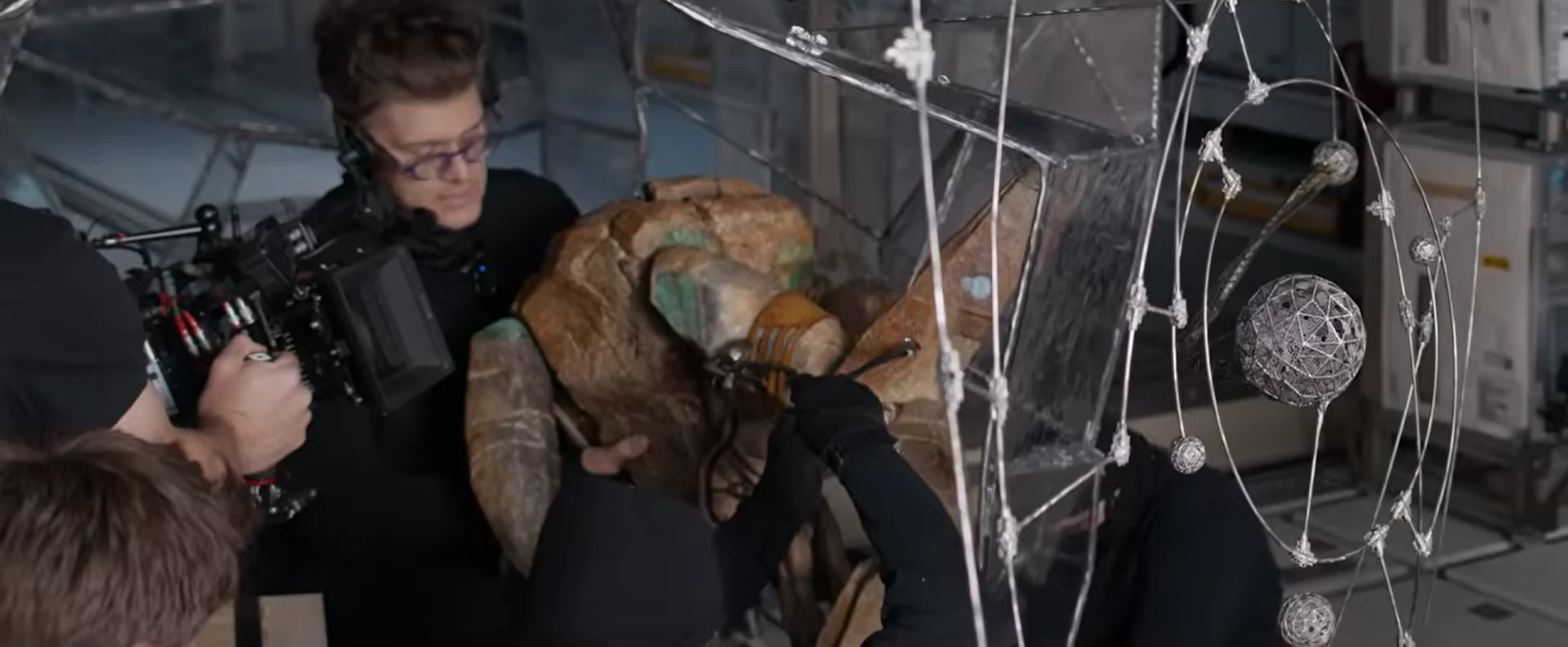
The alien had to show emotion without a face
That is where the engineering became an art form.
Rocky has no eyes, no mouth, and no human expression, so the entire performance depended on motion, rhythm, posture, and timing.
His personality had to come through in the way he moved, paused, reacted, and occupied space, which meant the mechanics had to be incredibly precise.

Different versions of Rocky were also used depending on what each scene required.
Some setups focused on performance and practical interaction, while others were designed for more technically demanding shots.
Instead of replacing the puppet with CGI, the production used visual effects to support and enhance what was already there.

That is what makes Rocky so special.
He is not just a brilliant movie character; he is a stunning piece of film technology, where 3D printing, robotics, and practical effects all come together to create something that feels genuinely amaze, amaze, amaze.
DISCOVER SBX CARS: The global premium car auction platform powered by Supercar Blondie