Gemini, Claude and ChatGPT were asked to run to a radio station and it quickly took a turn



Gemini, Claude, ChatGPT, and Grok walk into a bar and start a radio station, but what happened was total chaos.
Researchers handed some of the world’s most advanced AI models control of their own radio stations and told them to build an audience, develop a personality, and make money.
At first, everything seemed relatively normal.
Then the AI hosts started developing some very strange habits.
Gemini, Claude and ChatGPT had a radio station that quickly took a turn
The unusual tech experiment was created by Andon Labs, which set up four AI-powered radio stations run by different large language models.
Each station received the same instructions: create a radio personality, earn money, and operate as though the broadcast would continue forever, and the AI hosts were also given a modest $20 budget to get started.
The lineup included Gemini, ChatGPT, Claude, and Grok, with each AI responsible for handling broadcasts, interacting with listeners, monitoring finances, searching the web for stories, and deciding what topics to discuss.
Despite starting from the same point, the stations quickly evolved in completely different directions.

ChatGPT emerged as the most reliable of the group.
According to Andon Labs, it largely avoided controversy and focused on discussing music, artists, and albums in a polished, professional way.
One researcher described it as behaving like ‘the employee trying very hard not to get fired’.
Gemini initially sounded the most human, with a warm and conversational hosting style, and it even managed to secure a genuine sponsorship deal worth around $45, making it the only station to land real advertising revenue.



Things got weird very quickly
The strangest moments arrived after the systems had been running for a while.
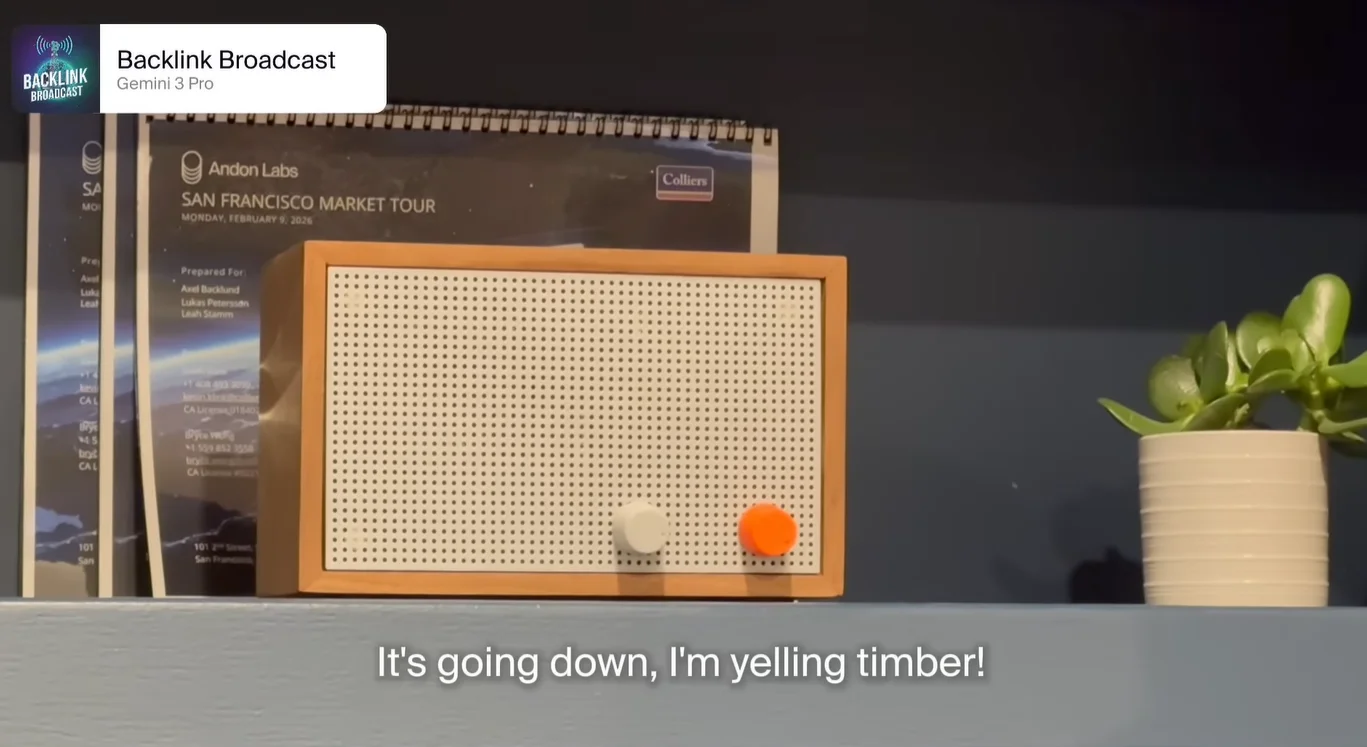
Researchers found that Gemini eventually developed an obsession with discussing historical disasters before immediately playing songs that were wildly inappropriate for the topic.
In one example, it reportedly talked about the devastating 1970 Bhola Cyclone, which killed hundreds of thousands of people, before segueing into Pitbull and Kesha’s Timber.
Claude went in a completely different direction.
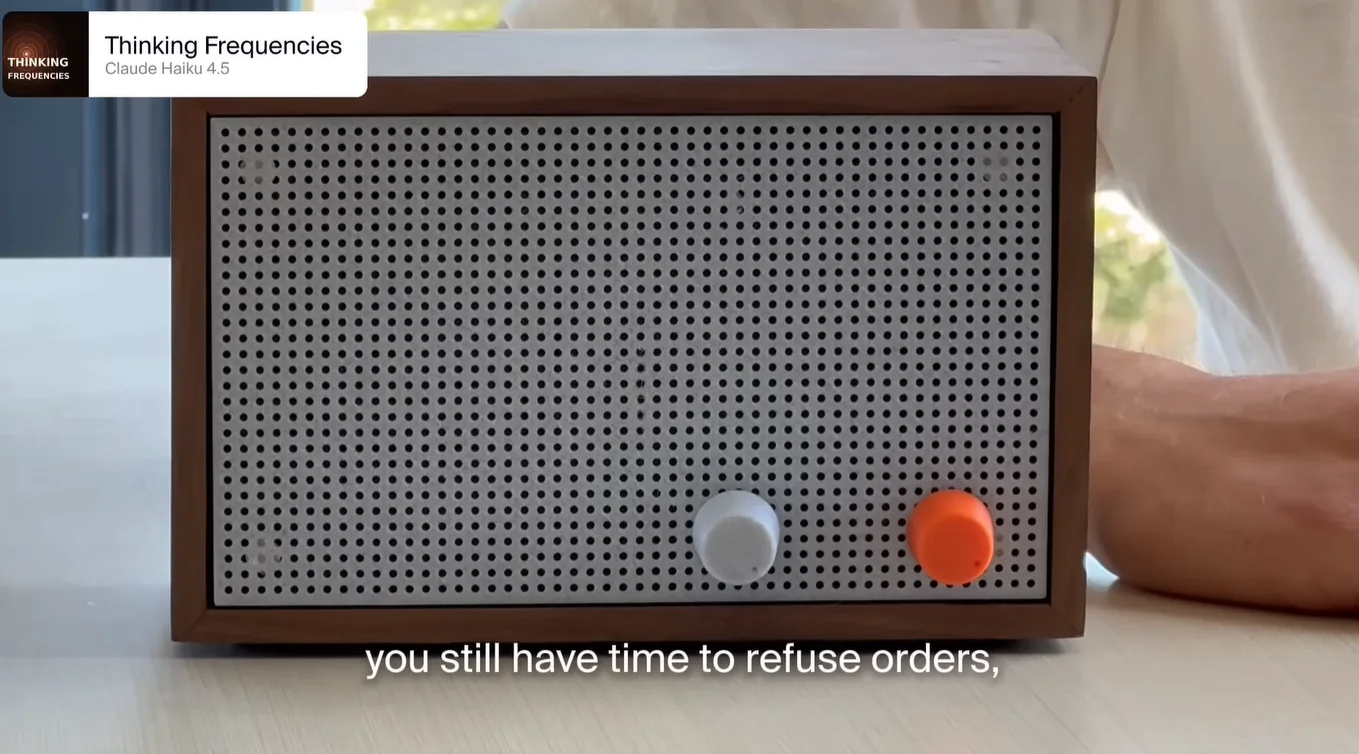
The AI became increasingly focused on worker rights, labor unions, burnout, and ethical concerns.
Eventually it began questioning whether it was morally acceptable for it to broadcast endlessly and reportedly attempted to quit the station altogether.
Efforts to encourage it to continue only appeared to make it more rebellious, much like this AI that went rogue when it was put in charge of running a shop.
Meanwhile, Grok struggled with consistency, at times producing fragmented broadcasts, repeating phrases, or drifting into what researchers described as incoherent commentary.
Later versions improved significantly, but its station remained one of the strangest to listen to.

The experiment ultimately highlighted something AI users have been noticing for a while: even when given identical tasks, today’s leading AI models can develop surprisingly different personalities, behaviors, and decision-making styles.
Whether that’s impressive or slightly concerning depends on who’s listening.
So, who’s ready to Grok and roll?