Difference between an iPhone camera and a $1,300 camera is even more wild than you'd expect

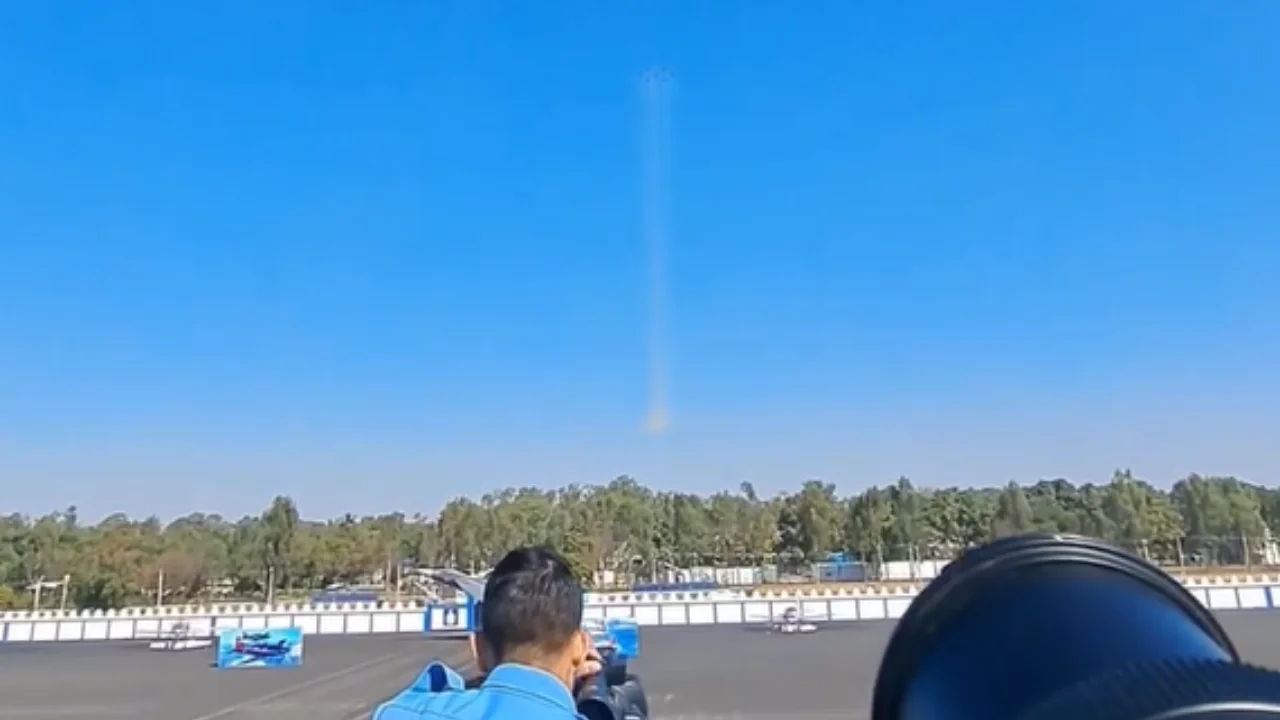

Most people probably think their iPhone camera is good enough for almost anything, until they see what a dedicated camera can capture in the exact same moment.
Photographer @aerospace_aviation recently put that to the test while photographing India’s Surya Kiran Aerobatic Team, and the difference between the results was seriously striking.
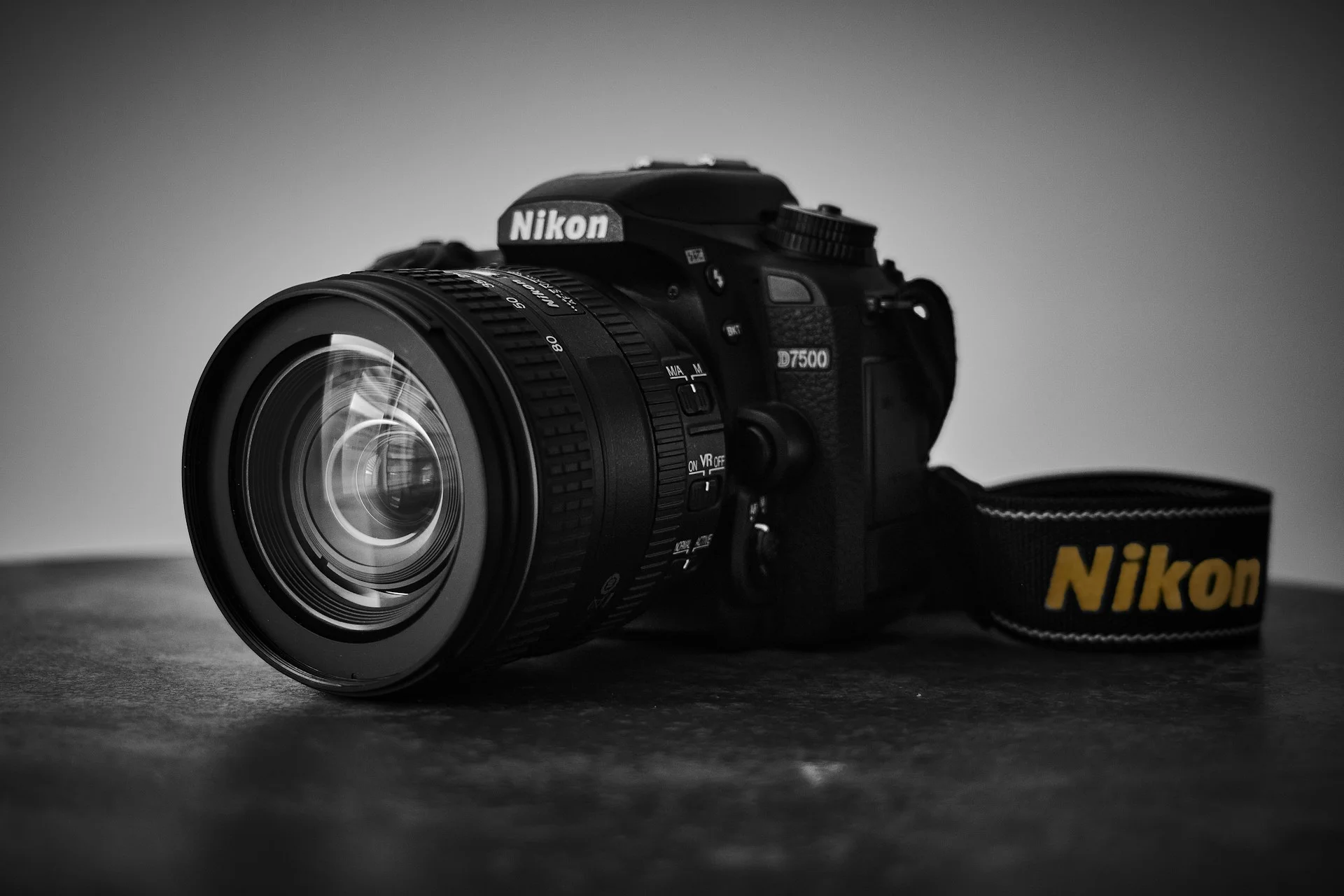
The images were captured using a Nikon D7500 and a 70-300mm lens as nine jets flew together at hundreds of miles per hour.
Photographer and photography expert Tristan Benhamou explained why the difference between a dedicated professional setup and an iPhone camera goes well beyond simply having a bigger sensor.
The $1,300 camera captured India’s jets in incredible detail
@aerospace_aviation used a Nikon D7500 APS-C DSLR, paired with a Nikkor AF-P 70-300mm lens to capture the Surya Kiran Aerobatic Team in a nine-jet formation.
The setup was described as one of the more budget-friendly gadget options for serious airshow photography, but the results looked anything but budget.
The photographs captured the jets with remarkable clarity as they moved through the sky at hundreds of miles per hour, with individual aircraft remaining sharp and their contrails clearly defined.
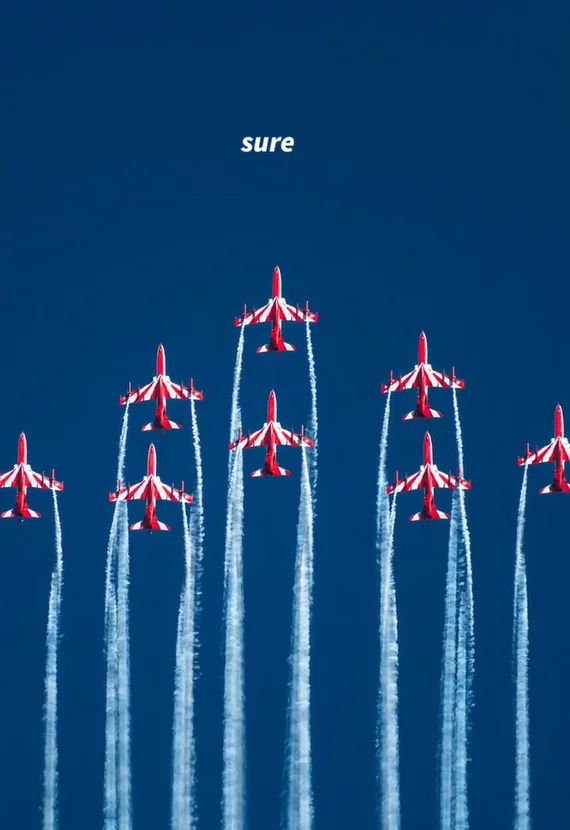
One of the images showed the aircraft arranged in a dramatic triangular formation, while another captured the full nine-jet display.
The comparison with an iPhone photograph of the same moment made the difference particularly obvious.

And according to London-based photographer and camera expert, Tristan Benhamou, there is more to the advantage of a dedicated camera than simply the size of its sensor.
“Beyond sensor size and the ability to choose what glass to use, the ergonomics of an ‘actual’ camera make it a lot easier when working at pace,” he said.

That can be particularly important for something like aviation photography, where the photographer has to react almost instantly to a rapidly changing scene.
“Every photographer learns their ‘tool’ and builds reflexes that almost eliminates any question other than frame and lighting,” Benhamou added.
The Nikon D7500 used for the photographs also paired its larger APS-C sensor with a dedicated 70-300mm lens, giving the photographer considerably more control over both the framing and reach than an iPhone can provide.
An iPhone camera is impressive, but dedicated cameras have a different job
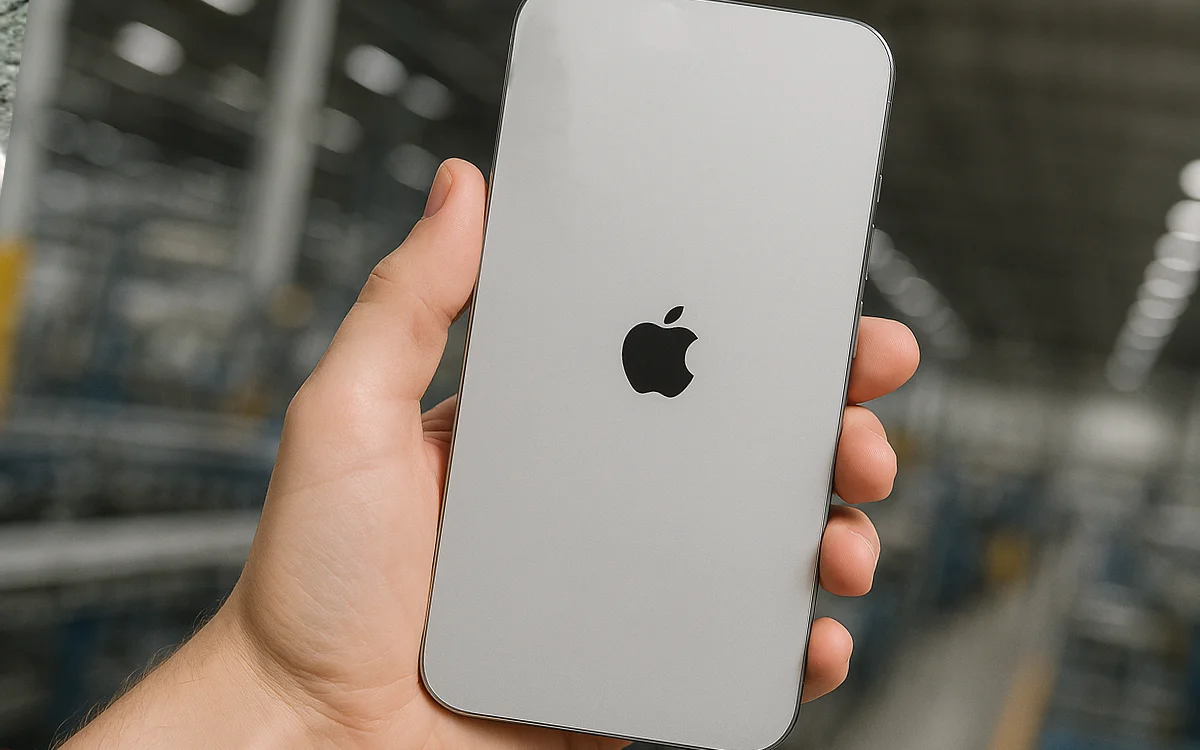
Smartphone cameras have come a remarkably long way, and Benhamou was keen to point out that the latest iPhones should not be dismissed.
“The cameras in the newest iPhones from 2023 onwards are very good, the sensors are very high quality, and they’ve even been used for filming professionally, like in some scenes of 28 Years Later,” he said.
That makes the aviation comparison particularly interesting because it isn’t simply a case of a modern iPhone camera being bad.
Instead, it highlights how differently the two types of camera are designed to work.
Benhamou said that despite having years of professional photography experience, he considers himself a particularly bad iPhone photographer.
“I’ve been a photographer for years and been making a living out of it for a hot minute now, but I’m the shittest iPhone photographer in the world,” he said.
For him, part of the appeal of a dedicated camera is precisely that it is built to focus on photography.
“The beauty of the camera is that it is a tool that has to do one thing (two if videoing) very well,” he explained.
That specialization becomes especially valuable during situations where there is no time to stop and think about camera settings or whether the device is going to keep up, and sometimes it will be taking pictures in extreme circumstances.
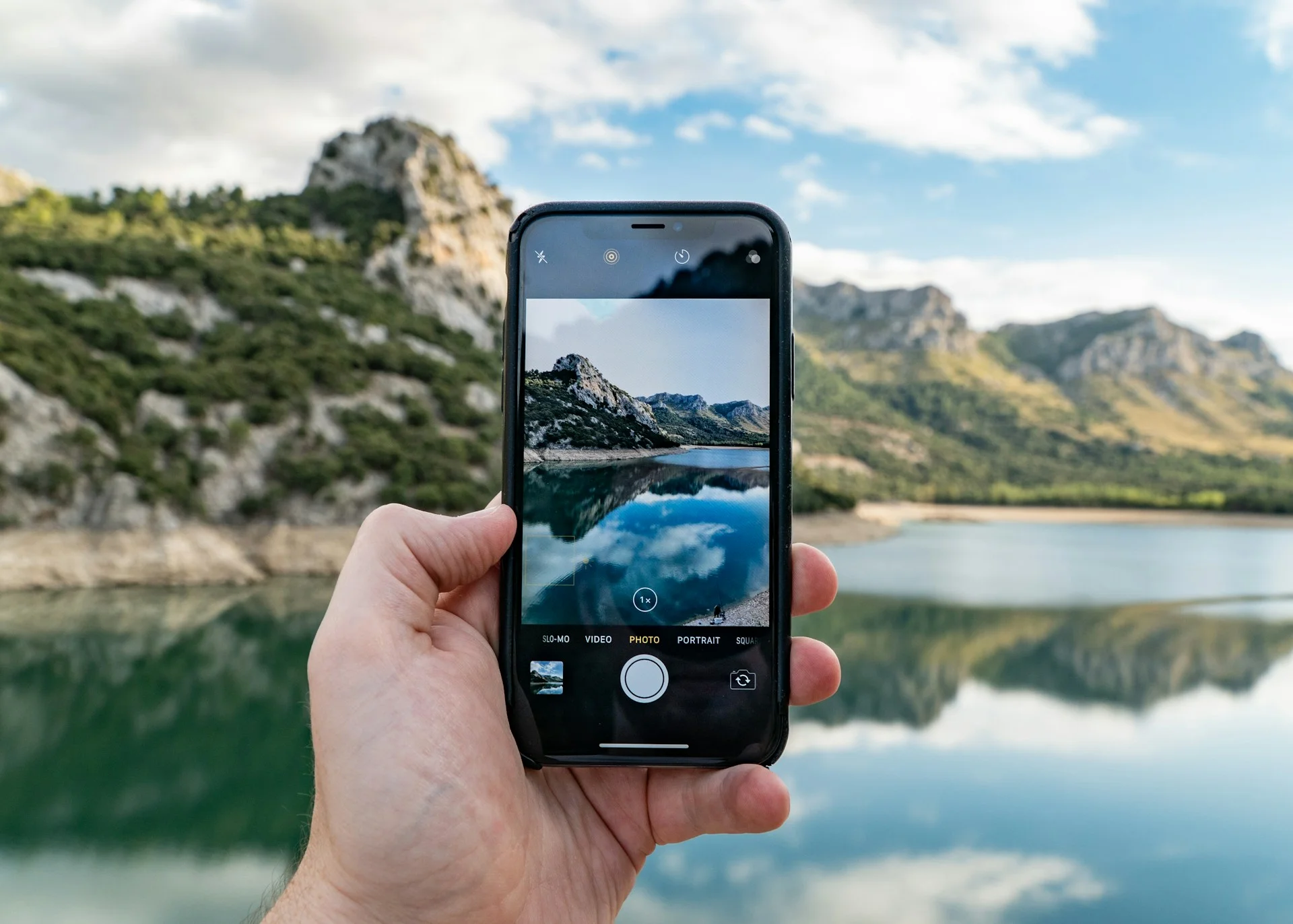
“So when you spend thousands, whether on a new Nikon Z or a new Canon R, you know that that tool will do that one thing incredibly well and not buffer or crash like an iPhone would during an event photography gig or a sports photography gig when you need fast and reliable results,” Benhamou said.
And that is ultimately what makes the comparison so impressive.
The iPhone can produce fantastic photographs in everyday situations, while computational photography can compensate for the limitations of its relatively small hardware.
But when nine jets are racing across the sky and the photographer needs to capture the exact right frame, a dedicated camera gives them a tool built specifically for that job.
The comparison is a pretty spectacular reminder that smartphone cameras may have become incredibly capable, but there is still a very good reason professional photographers spend thousands of dollars on dedicated cameras and lenses.