Laser cleaning system removes printed text from papers and allows them to be used as a blank slate again and this is how it works

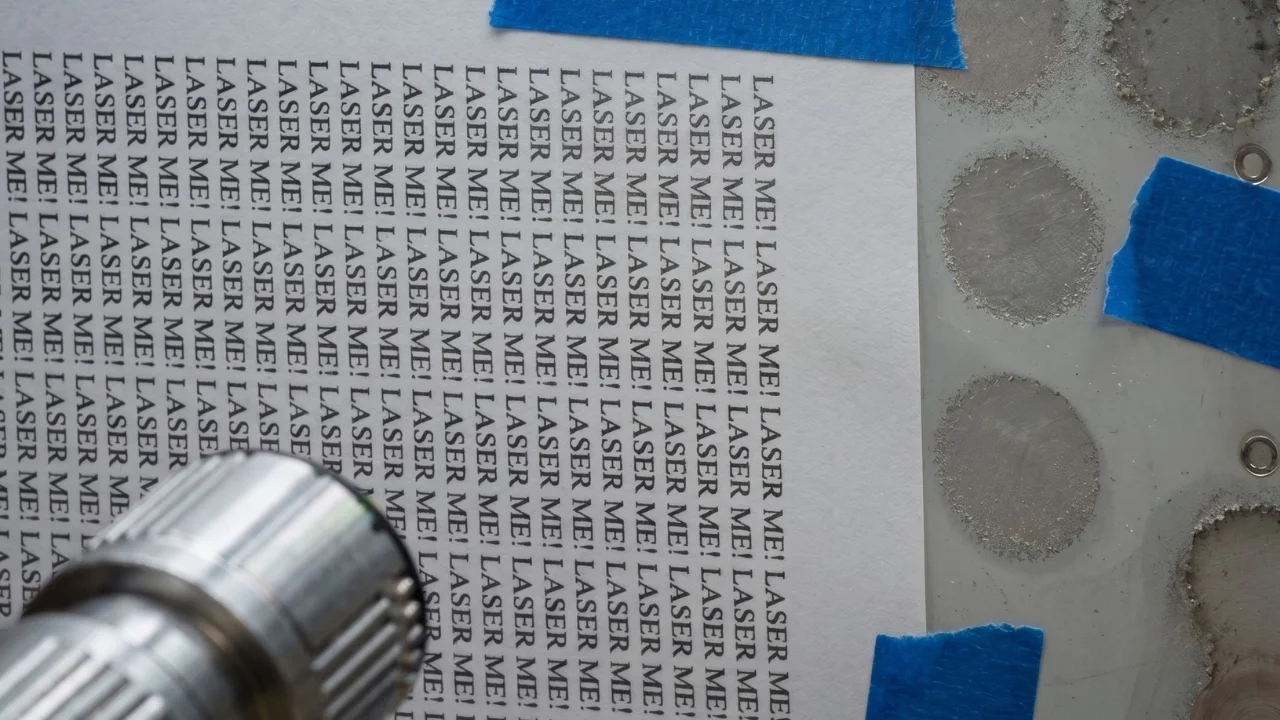

Laser cleaning is very popular in aviation and automotive systems, but did you know that it can remove printed text from paper, allowing it to be used as a blank slate again?
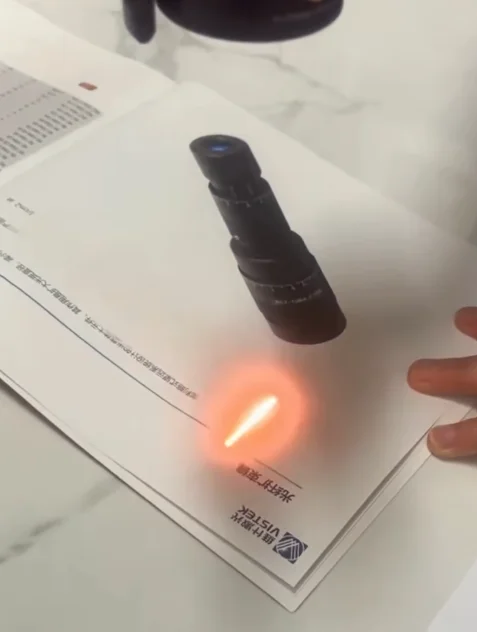
The process looks almost too satisfying to be real, and demonstration videos show a laser sweeping across printed text on sheets, seemingly making the words disappear while leaving the underlying paper intact.
The technology is based on precision laser cleaning, which can remove unwanted material from a surface without physically touching it.
And while using a laser to erase a piece of paper sounds like something from a futuristic office, the same basic technology is already being used for industrial cleaning and delicate restoration work.
Laser cleaning system removes printed text from paper
The incredible futuristic demonstrations from Aviation Laser show a small laser cleaning head being moved across a sheet of printed paper.
As it passes over the writing, the printed words disappear, gradually leaving behind a much cleaner surface.
In some of the footage, the laser makes it possible to remove markings without destroying the paper.
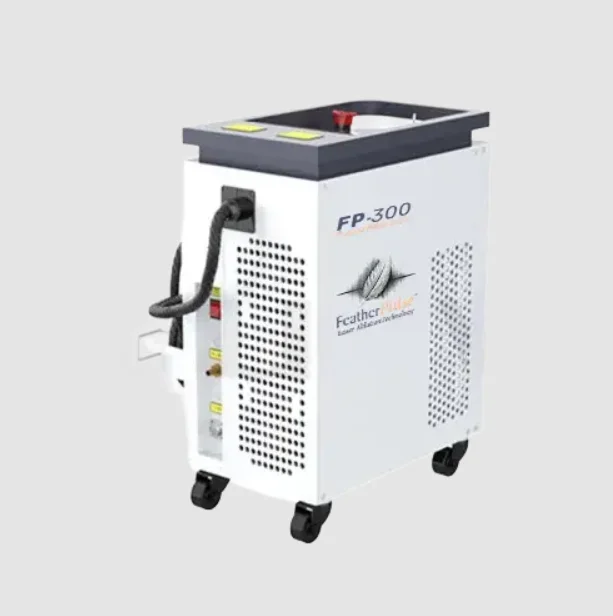
The system shown in the demonstrations is associated with Aviation Laser, a laser technology company that develops optical components and laser systems.
And this is where things get particularly clever.
Laser cleaning works by directing highly concentrated pulses of laser energy at the material that needs to be removed.
Depending on the settings, the energy can be absorbed much more strongly by the unwanted coating, dirt, paint or ink than by the material underneath.
That means the laser can effectively strip away one layer while leaving another behind, and it turns out that lasers are much more useful than they seem.
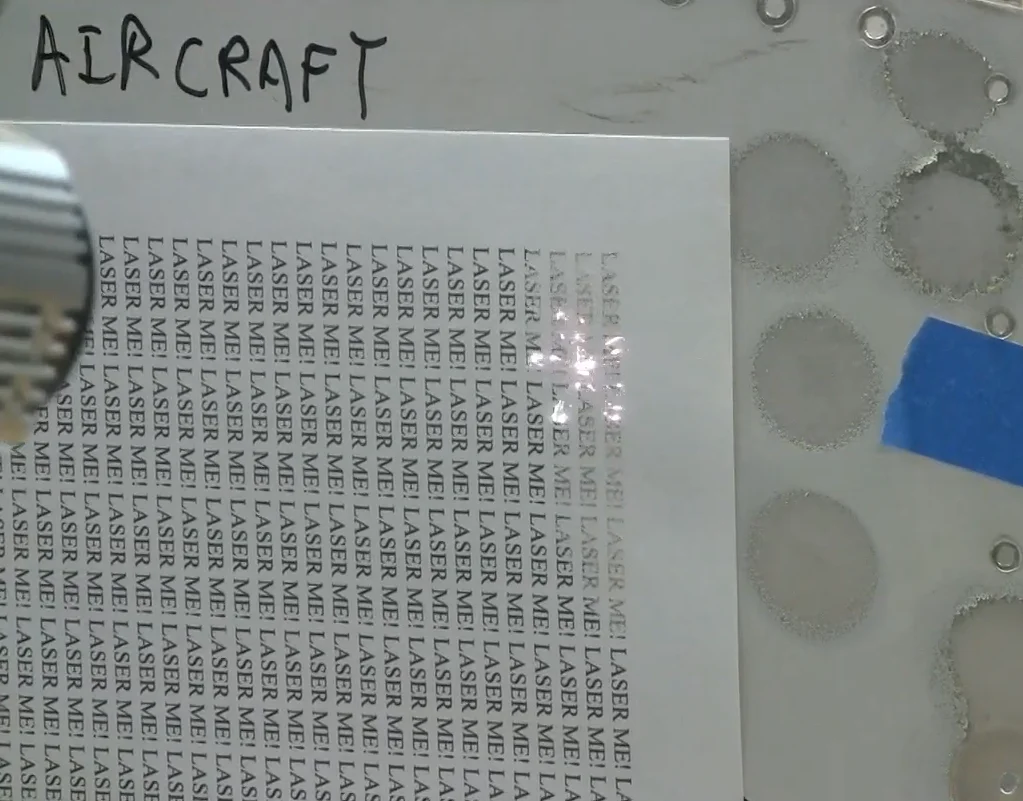
This is also why laser cleaning has become useful for things such as removing rust, paint, oil and coatings from industrial components.
There is no physical cleaning head scraping across the surface, and there is no need to cover the object in chemicals or abrasive cleaning products.
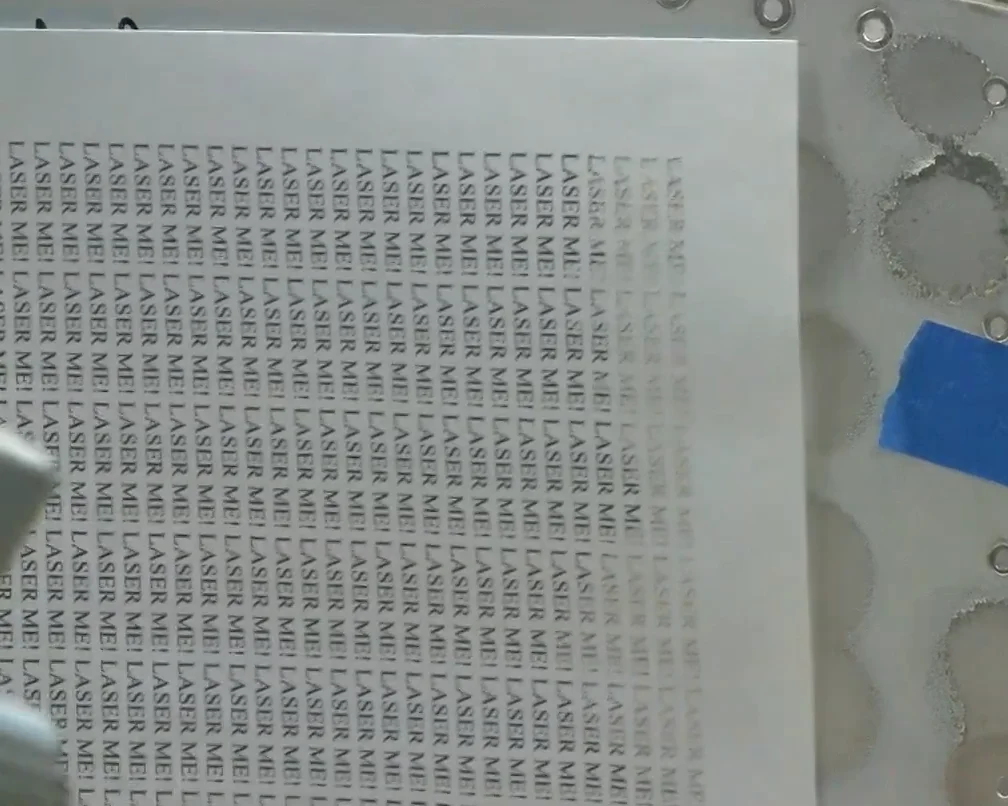
Work contracts will never be the same again
The process responsible for this is known as laser ablation.
When a sufficiently intense laser pulse hits the unwanted material, the energy can cause that material to break down and be removed from the surface.
The laser can be carefully controlled so that the energy delivered is enough to affect the ink while minimizing the impact on the paper itself.
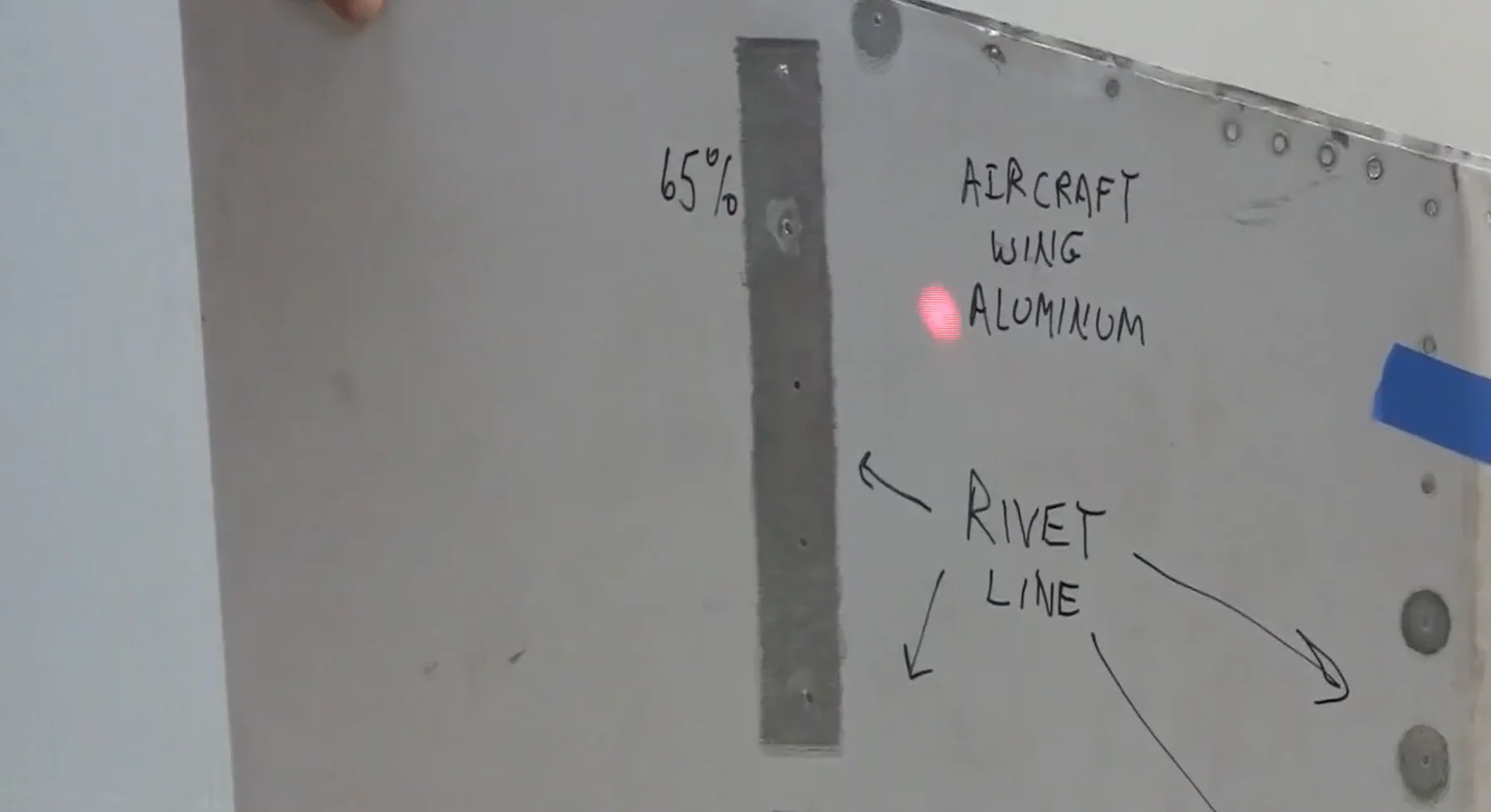
That level of control is extremely important.
Paper is obviously much easier to damage than a chunky piece of metal, so simply pointing a powerful laser at a document would be a very bad idea.
The wavelength, pulse duration, energy, and scanning speed all have to be carefully selected, so you don’t cause a fire.
Research has demonstrated that lasers can selectively remove ink from paper, while more recent studies have investigated laser cleaning for historic and contaminated documents.
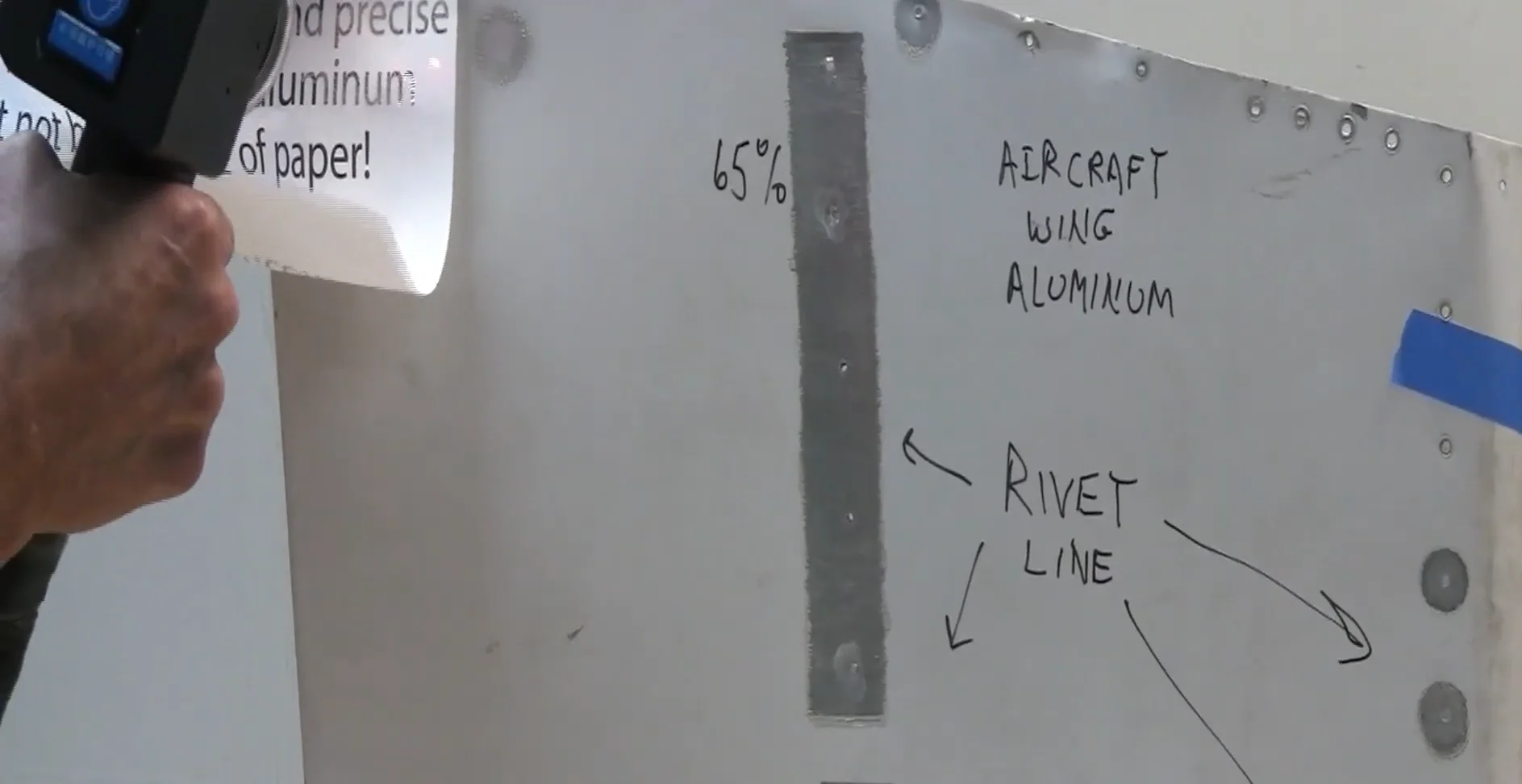
Researchers have found that carefully controlled laser treatment can remove unwanted material while preserving important properties of the paper, but there are plenty of potential applications beyond making a satisfying video, too.
Laser cleaning is already being investigated for conservation work because traditional cleaning methods can be too aggressive for fragile documents, paintings and other historic materials.
A laser can work without physically touching the surface, potentially giving conservators much more control over what gets removed.

The technology could also make sense wherever precise surface cleaning is required without creating piles of abrasive waste or using chemical solvents.
So, while watching a laser erase printed words from a sheet of paper looks like someone has discovered a real-life undo button, there is some seriously sophisticated technology behind it.
And the idea of taking a sheet with text on it, running a laser over it, and getting a fresh-looking blank page back is definitely one of the more satisfying uses of lasers we’ve seen, a bit worrying for people with printed work contracts though…