This prompt will make sure ChatGPT tells the truth all the time even when you already think it's doing so



ChatGPT can sound incredibly confident, but that doesn’t always mean every fact it generates is correct, so here’s a prompt that will make sure that the chatbot is always telling you the truth.
You might think that ChatGPT is a trusty companion, and while it is useful, it gets caught every now and then telling some porkie pies.
One AI expert has shared a prompt designed to reduce made-up facts, fake sources, and unverified claims before they ever appear in your responses.
It could help anyone using ChatGPT for work, school, or everyday questions avoid publishing inaccurate information.
This prompt will make sure ChatGPT tells the truth
Large language models like ChatGPT are designed to be helpful, and they’re the assistants of the future, which means they often try to answer your question rather than admit they don’t know something.
According to a recent Forbes article by Coachvox founder Jodie Cook, that can sometimes lead to “hallucinations”, where an AI generates information that sounds convincing but isn’t actually true.
That could include fake studies, incorrect statistics, fictional customer testimonials, or quotes that were pulled from thin air.
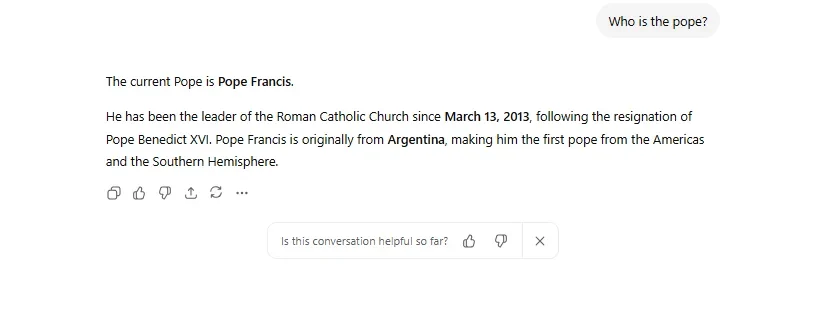
The article points to research from OpenAI and Georgia Tech that suggests the way AI models have traditionally been evaluated can reward plausible guesses over uncertainty.
In other words, a model that invents a believable answer may score better than one that says it doesn’t know.
But it turns out there is a simple prompt that tells ChatGPT exactly where the line is.

Instead of correcting the AI after it responds, the prompt changes its behavior from the very beginning.
It tells ChatGPT to make honesty its highest priority, clearly admit when it isn’t sure, avoid inventing studies, experts, companies, links, or customer examples, and flag any statistics or performance claims that still need verification before presenting them as fact.
The goal is to remove the pressure for the chatbot to always produce an answer and instead encourage it to acknowledge uncertainty when appropriate.
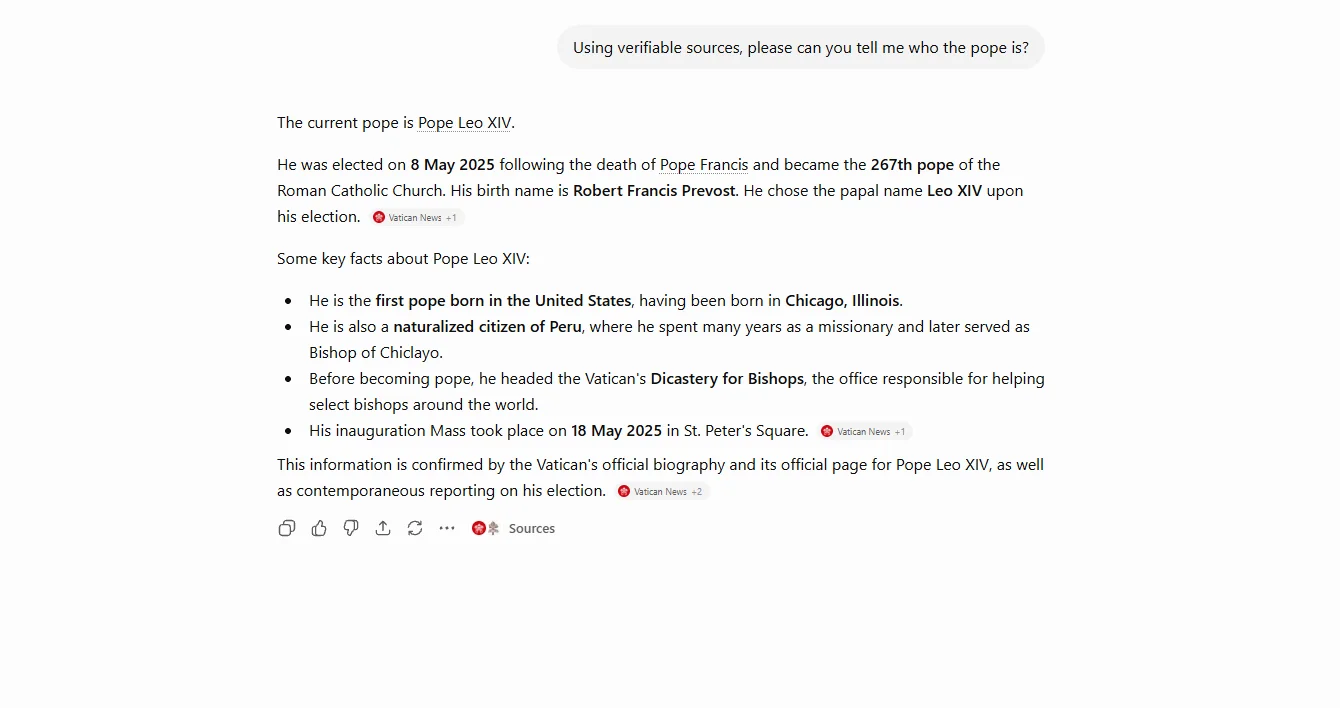
This is what to do
So what’s the prompt?
Instruct ChatGPT to support every factual claim with a verifiable source, explain the calculations behind any figures, and clearly label anything it cannot confirm instead of presenting it as fact.
Researchers have also found that asking AI to verify its own answers in a second pass can improve reliability.

The article references research into a technique called “chain of verification”, which found AI models are often better at checking individual factual claims than answering one broad question all at once.
One suggested follow-up prompt asks ChatGPT to list every factual claim it has made, create a separate verification question for each one, answer those independently, compare the results with a second response, and then rewrite the answer using only the information that can be verified.
While you can lower an AI model’s temperature setting, which makes responses more deterministic, it doesn’t necessarily reduce hallucinations.
Ultimately, the experts agree that no prompt can completely replace human judgment.
But giving ChatGPT clear instructions to prioritize the truth, cite its sources, and check its own work can make it much less likely to produce fabricated information, making it a far more trustworthy tool when accuracy really matters.