Man uses 500 disposable vapes and DIY solar to see if he can live entirely off-grid

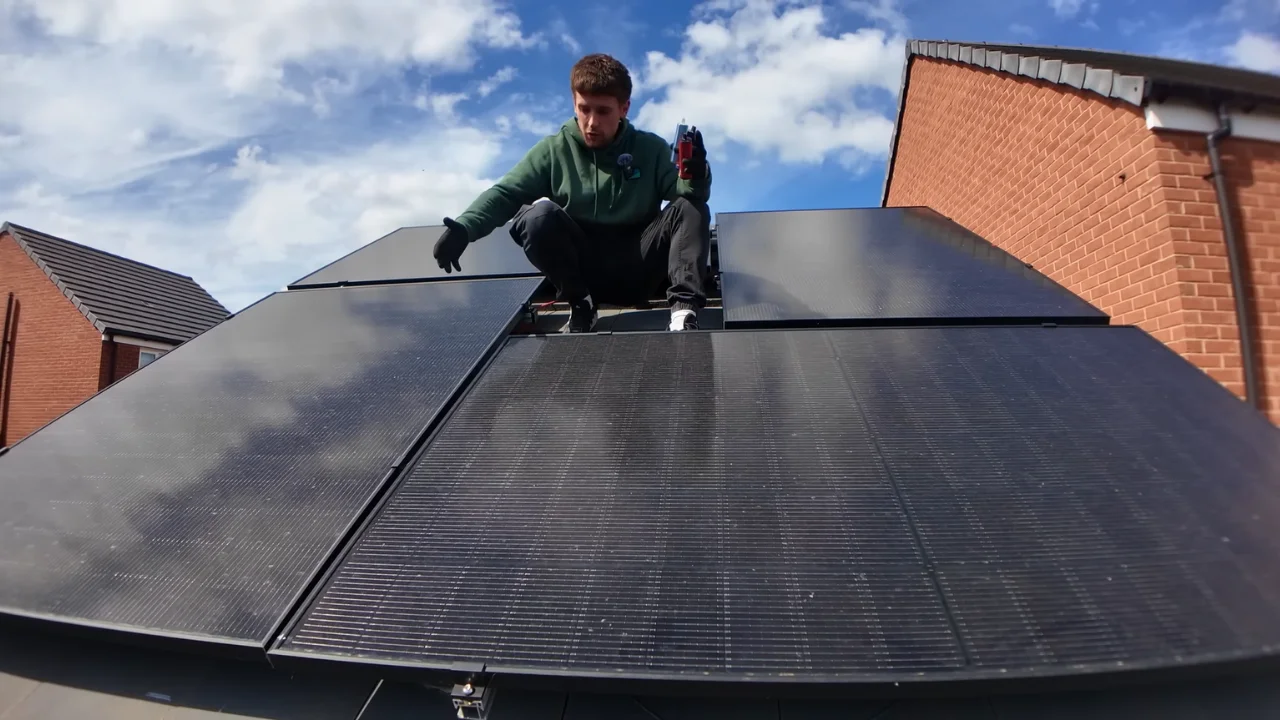

This man had an incredible idea to live off-grid using 500 disposable vapes and DIY solar.
YouTuber Chris Doel turned hundreds of discarded vape batteries into a giant homemade power wall before pairing it with a budget DIY solar setup.
The unusual project was designed to answer one simple question: could electronic waste and renewable energy completely replace the grid?
After spending two days putting it to the test, the results were seriously impressive.
Man uses 500 disposable vapes and DIY solar to live off-grid
We’ve seen people build incredible futuristic tech projects from recycled materials before, but this one might be one of the most creative yet.
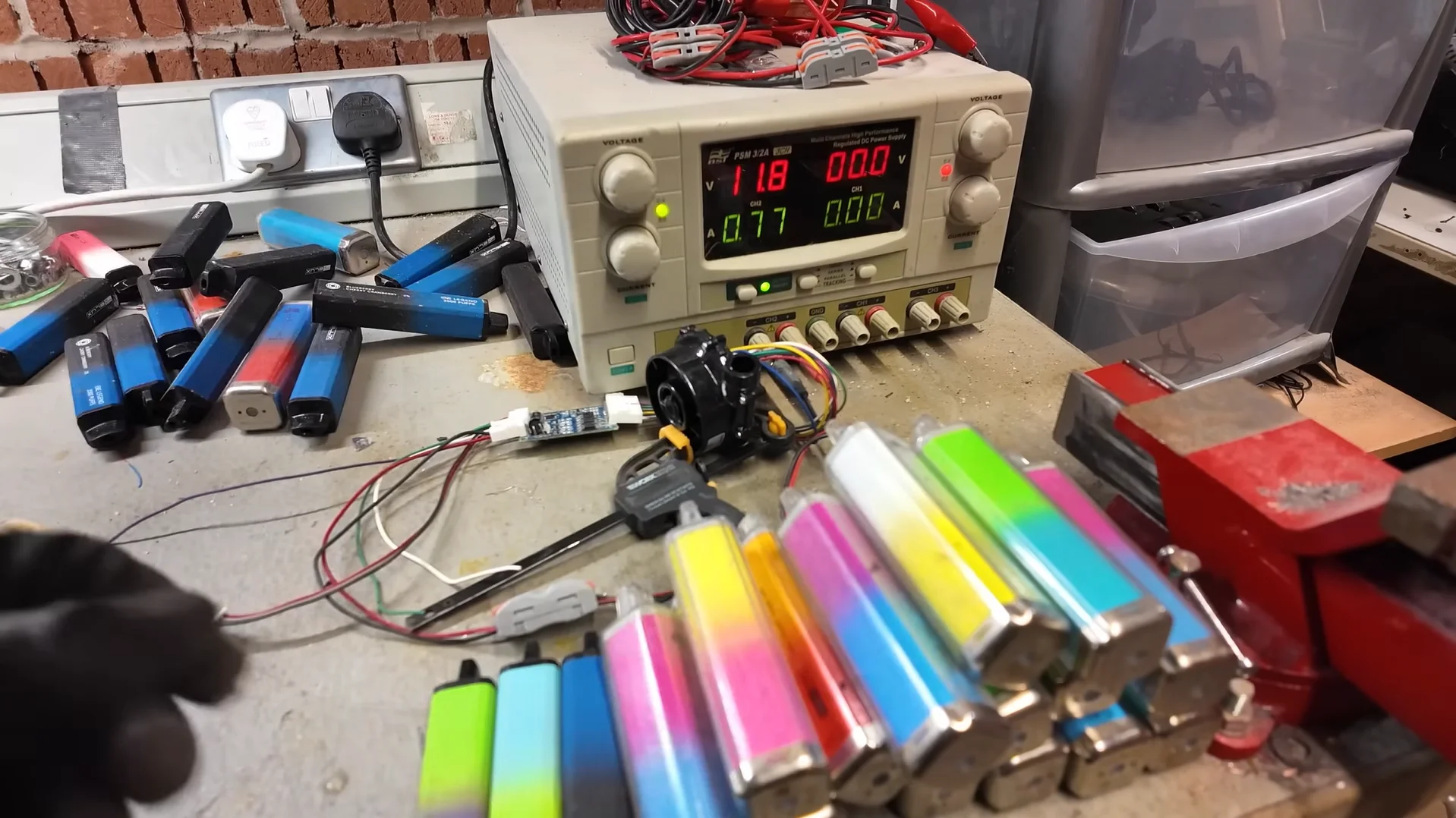
Chris Doel collected hundreds of littered disposable vapes from festivals and local vape shops before carefully taking them apart to rescue their rechargeable lithium-ion batteries.
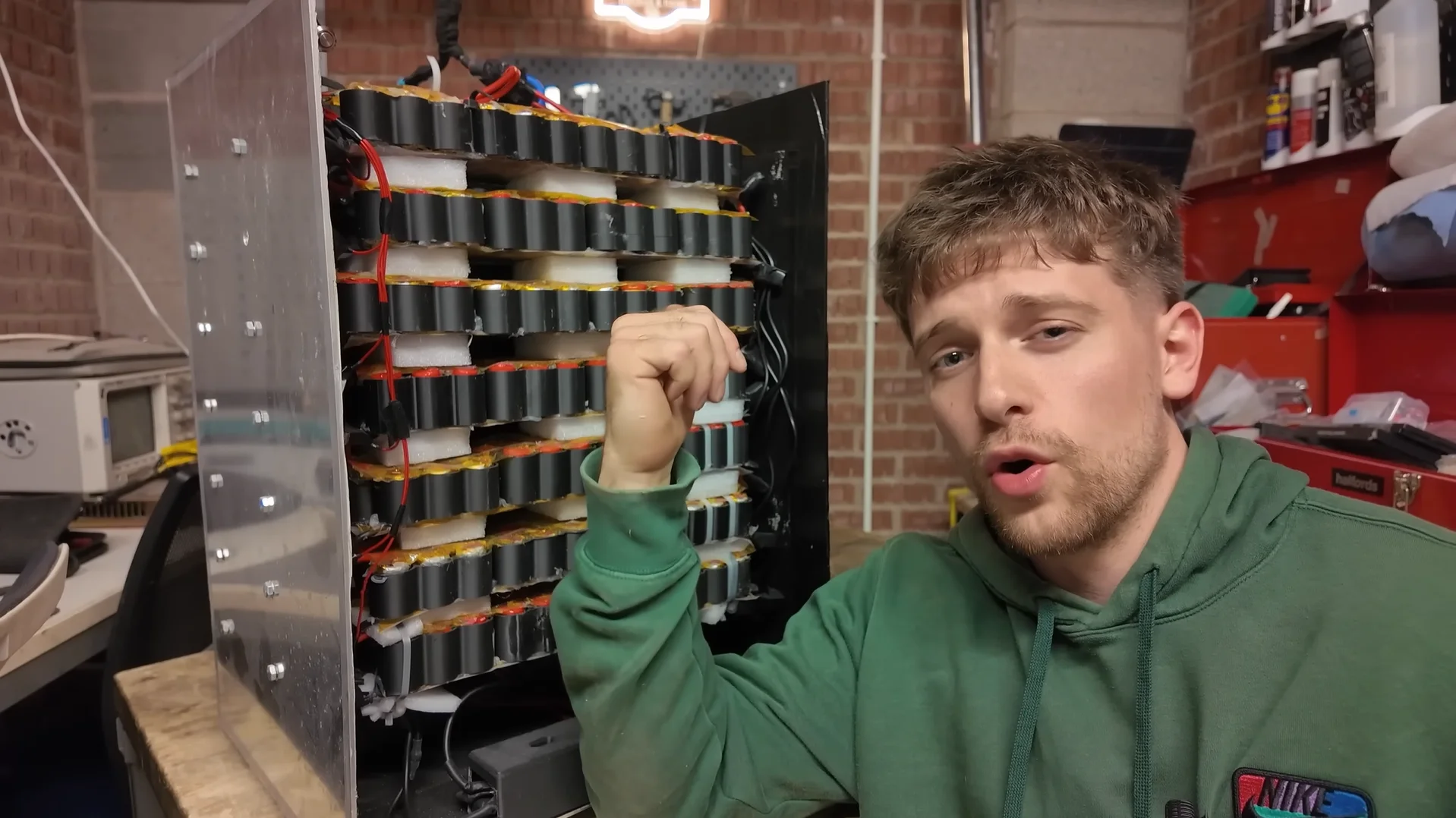
Rather than throwing them away, he tested every single cell and built them into one enormous battery pack containing around 500 batteries.
It wasn’t his first experiment either.
The homemade battery had already powered an electric car and even supplied electricity to his house for a short time, but this latest challenge was his biggest yet.
Chris wanted to know whether he could completely disconnect his workshop from the grid and rely entirely on recycled batteries and DIY solar energy.
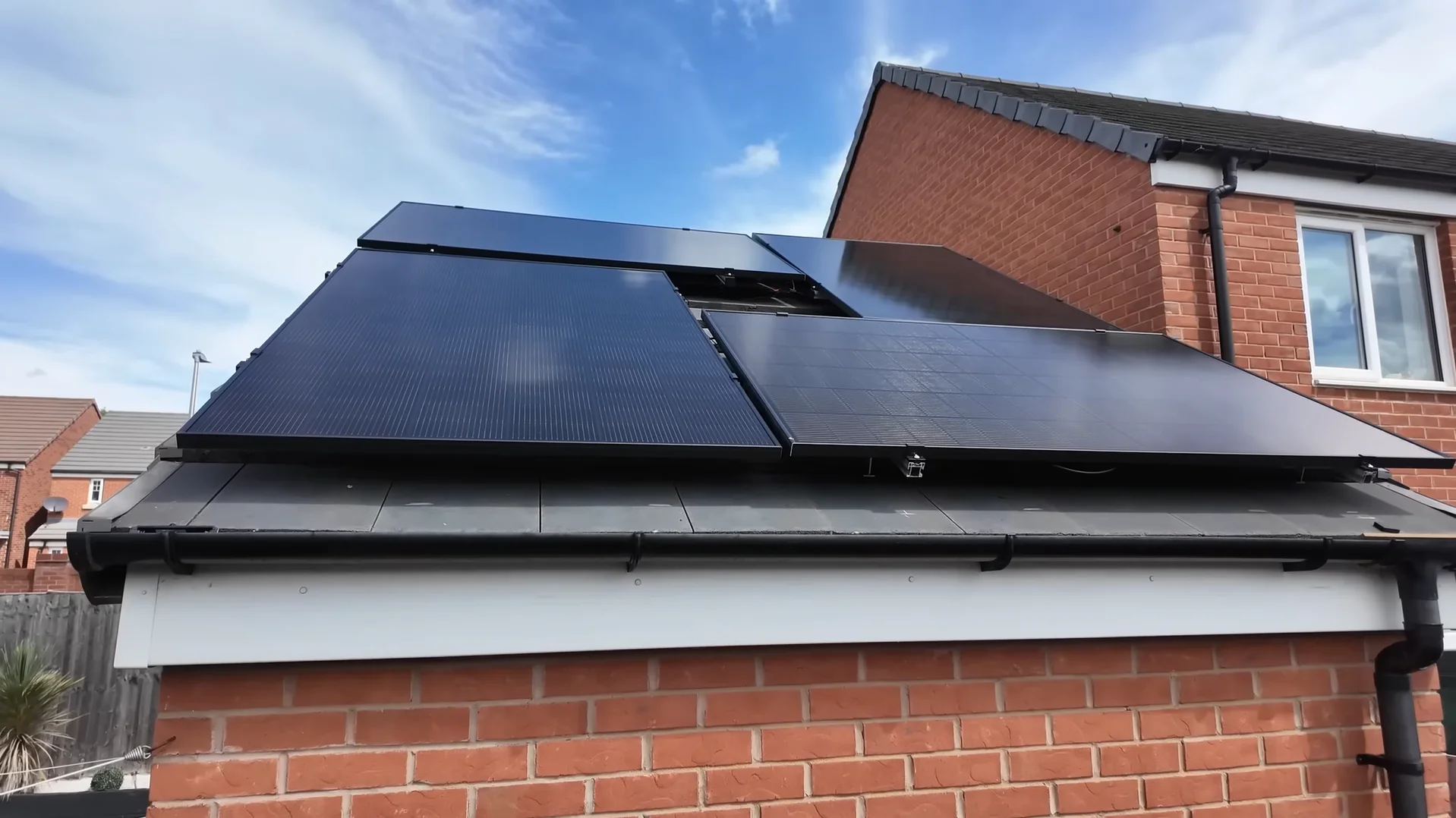
To make it happen, he picked up four second-hand 470W solar panels for around £70 ($95) each before mounting them onto his workshop roof.
The panels fed electricity into a solar charge controller, which constantly adjusted itself to squeeze as much energy from the sunlight as possible before storing it in the recycled battery pack.
From there, an inverter converted the stored power into the same electricity used by normal household appliances.
Before the challenge began, Chris even rebuilt one section of the battery after discovering some cells had been damaged during storage.
He then deliberately short-circuited the replacement module to prove his safety system worked, with dozens of tiny fuses blowing instantly to stop the batteries from overheating.
Could he actually live entirely off-grid?
With everything finally connected, there was only one thing left to do.
Chris unplugged his workshop from the mains and switched everything over to his homemade power system.
Even with typical gloomy British weather, the setup had no trouble keeping up.
It powered his desktop PC, lights, fridge, Wi-Fi, workshop equipment and even a microwave while the solar panels continued topping up the battery whenever the sun made an appearance.
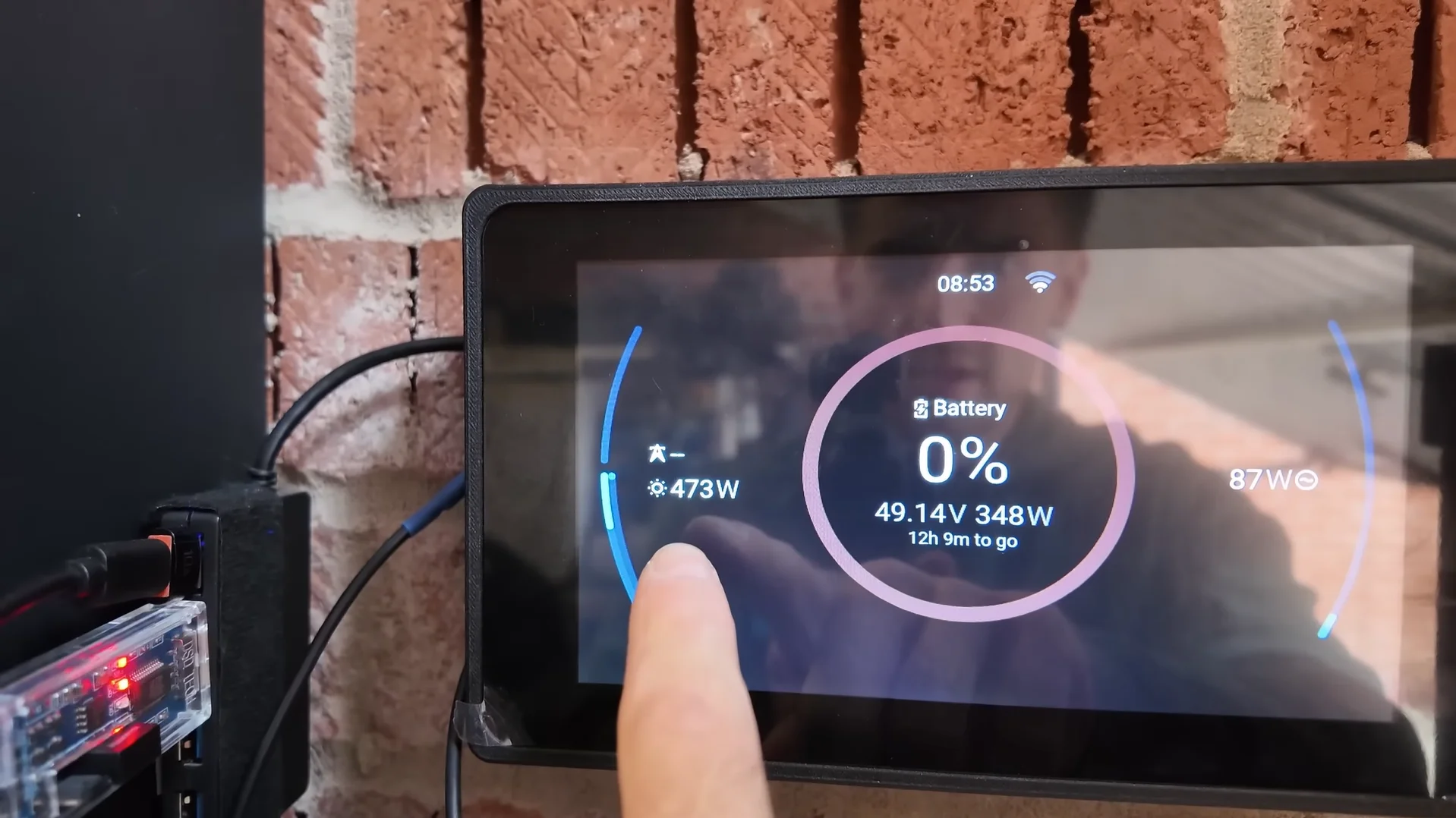
When conditions improved, the panels produced as much as 1.4kW of power, leaving Chris with more electricity than he actually needed.
Instead of letting it go to waste, he diverted the spare energy into charging his modified electric G-Wiz.
The real test came overnight.
After turning off unnecessary lights and reducing his power consumption, he woke up the following morning to find the battery still sitting at around 46 percent charge.
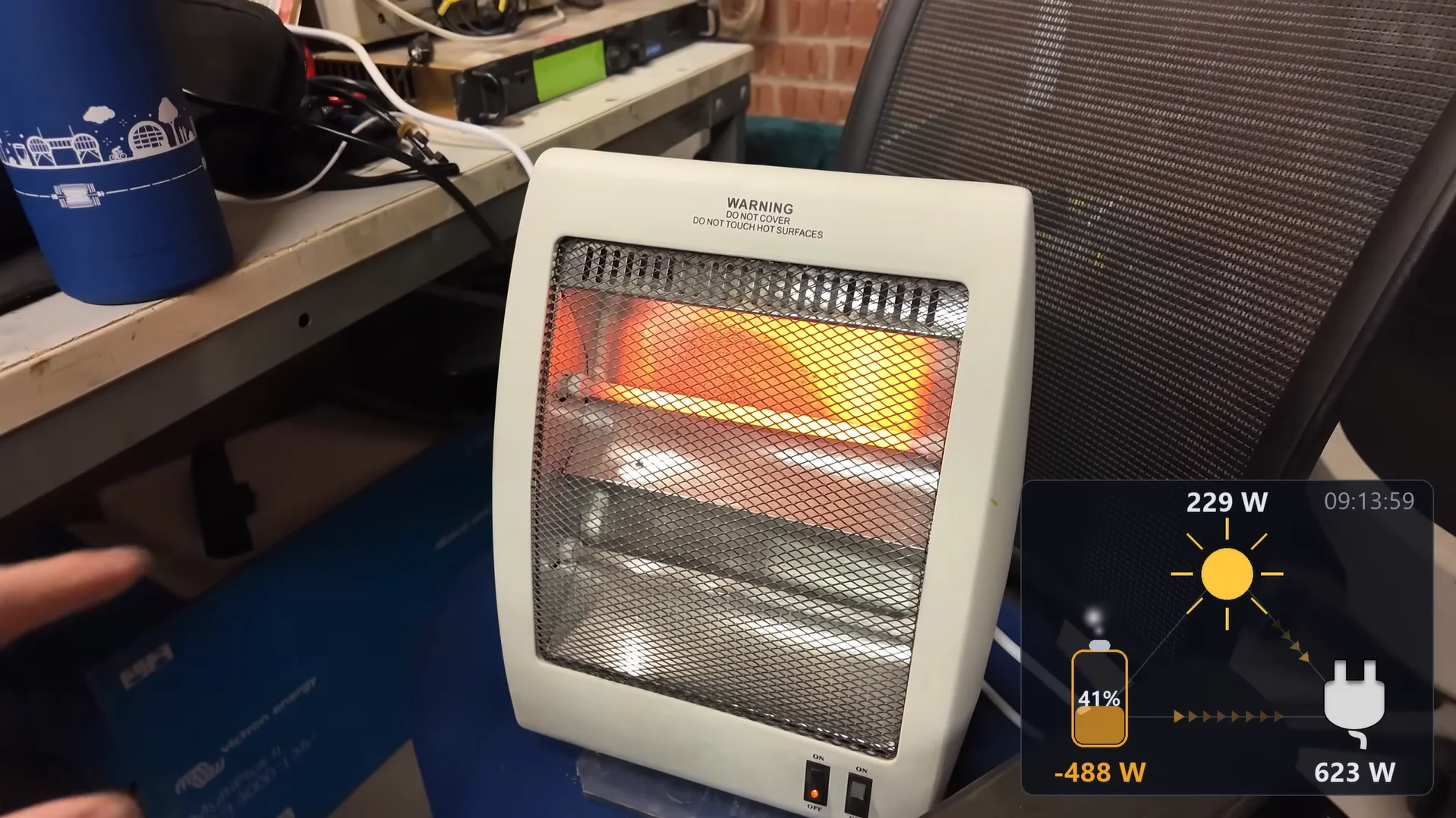
By the end of the experiment, the battery pack had proven it could comfortably power the workshop through day and night without needing any electricity from the grid.
Chris later revealed he’d continued using the setup for another month without running into any major issues.

It’s a fascinating reminder that what looks like rubbish to most people can sometimes become the foundation for an incredible engineering project – especially when it’s paired with a bit of ingenuity and some surprisingly affordable solar technology.