NASA targets 2030 to put a 1,000°C nuclear reactor on the Moon to beat China and Russia

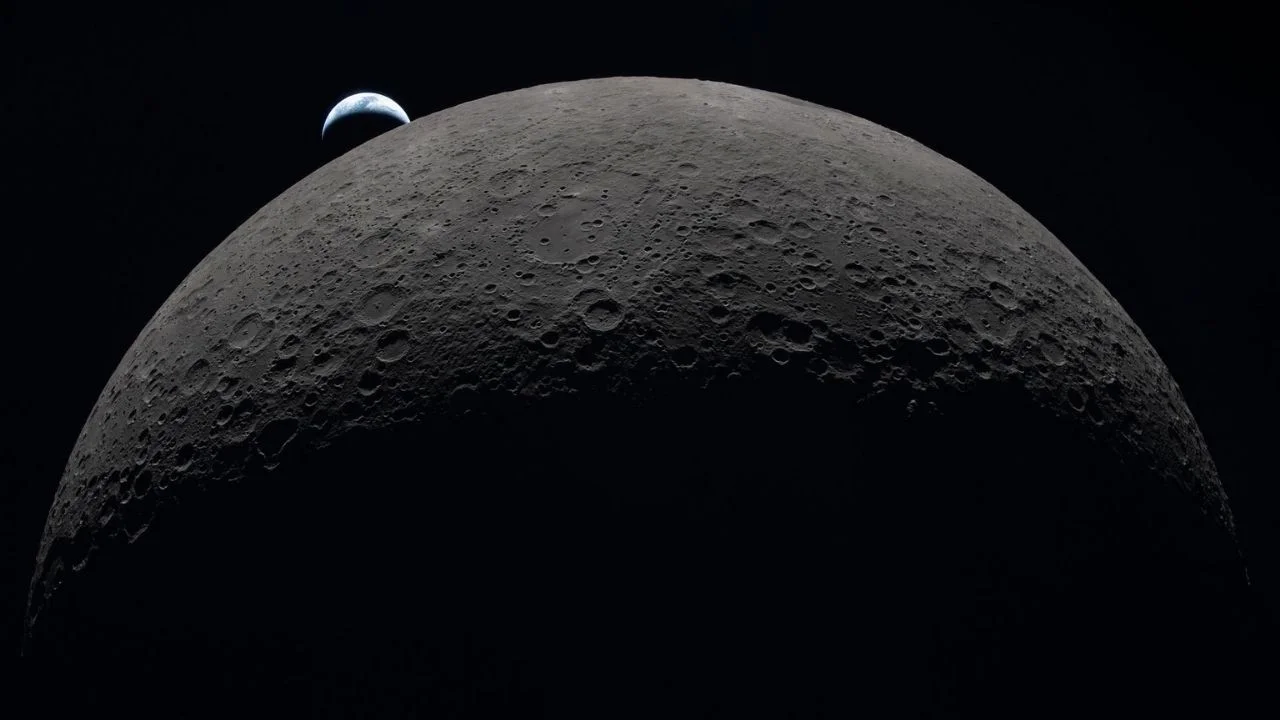

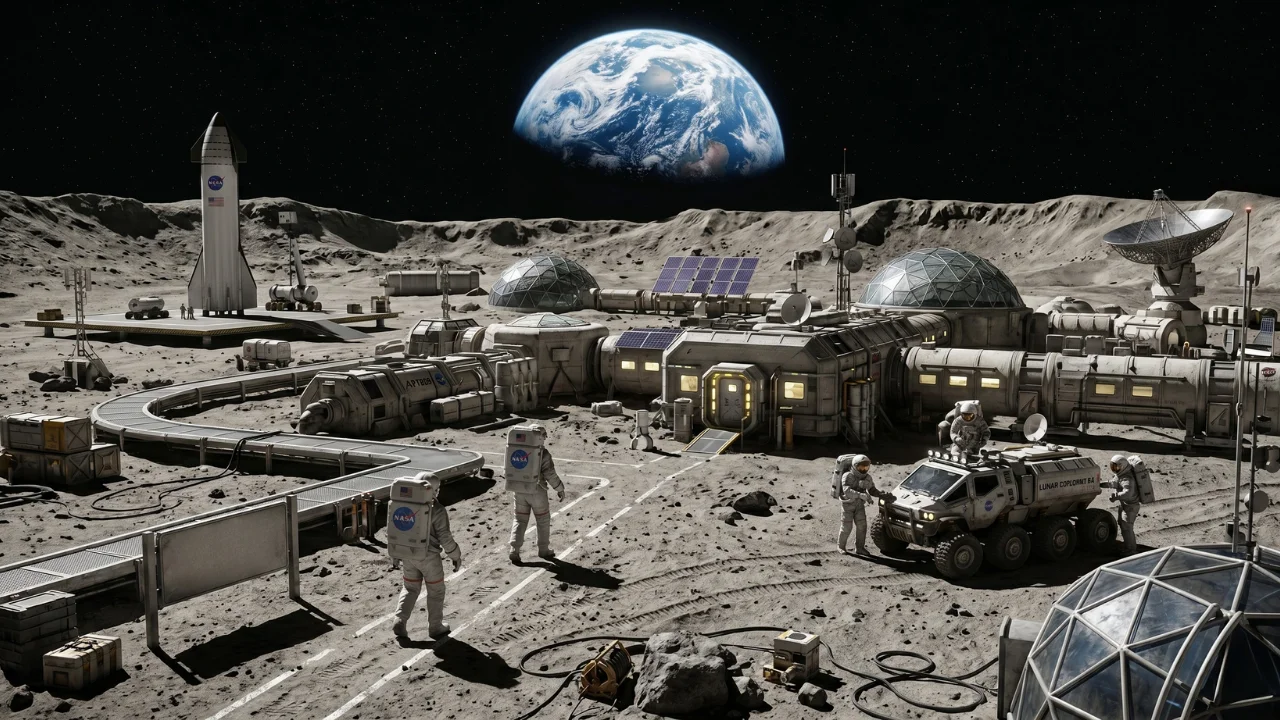
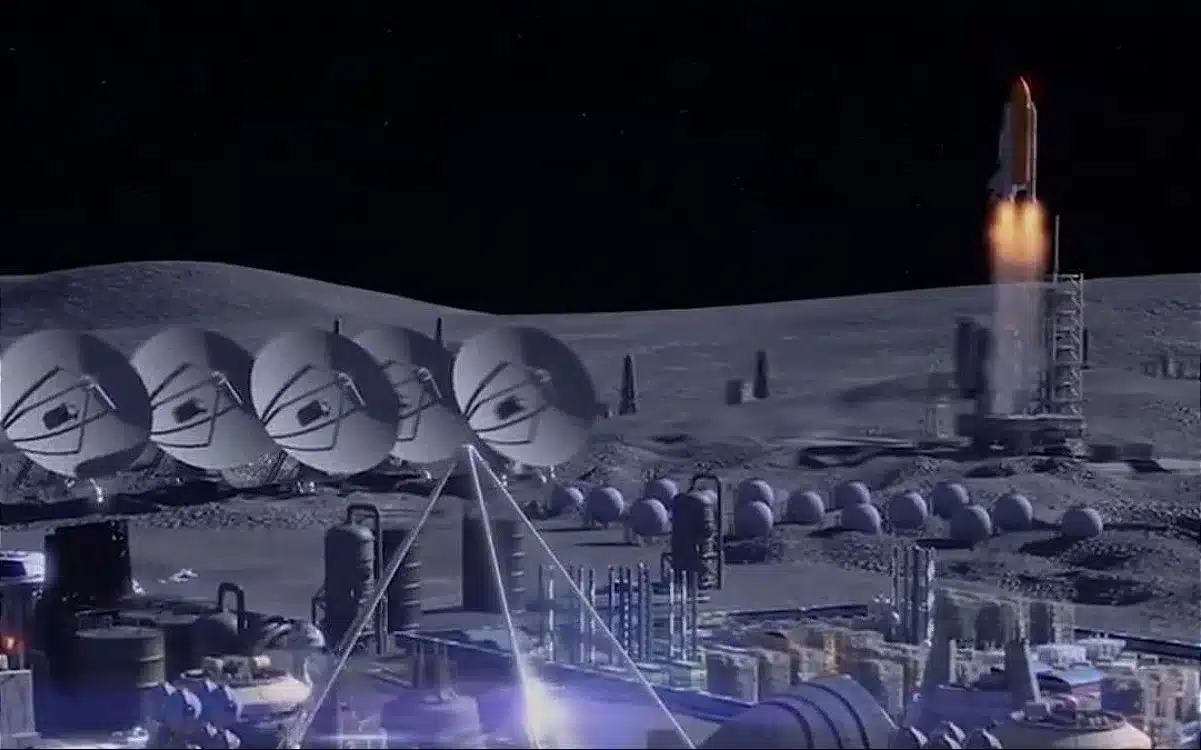
The next big space race is heating up between NASA, China and Russia, and this time, the prize is a nuclear reactor Moon base.
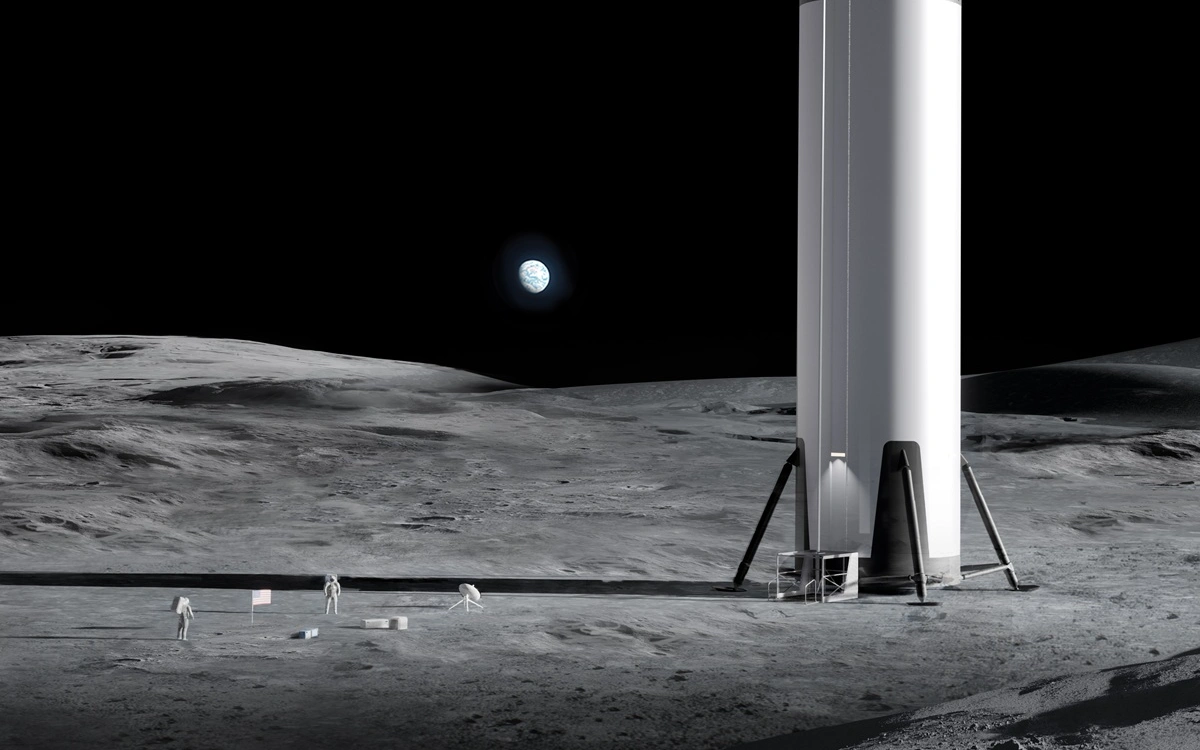
NASA wants to send a nuclear reactor to the lunar surface by the end of the decade, giving astronauts a reliable source of electricity far from Earth.
But the US isn’t the only country hoping to make this futuristic idea a reality, with China and Russia working on their own lunar ambitions.
And with a December 2030 target in sight, NASA is keen to get there first.
NASA wants to power the Moon before its rivals
Setting up shop on the Moon sounds exciting, but keeping everything running in space could be a serious challenge.
Lunar nights can last more than two weeks on Earth, meaning solar panels wouldn’t always be able to keep the lights on.
Temperatures near the Moon’s south pole can also swing between extreme heat and bitter cold, making it a tough environment for equipment, and that’s where nuclear power comes in.
Unlike solar panels, a nuclear reactor doesn’t need sunshine to generate electricity, and NASA believes its proposed Lunar Reactor 1 could produce 20 kilowatts of electricity, roughly enough to power 16 American homes.
The agency wants the system to operate for five years without human intervention, helping power equipment, vehicles and a future lunar base.
But NASA isn’t working with an endless supply of time.
Russia is developing its own lunar reactor, called Selena, which is expected to generate up to 10 kilowatts of electricity and operate autonomously for a decade.
The project is intended to support lunar stations planned through its partnership with China, with a target date of 2036, so NASA has reportedly accelerated its own schedule to avoid falling behind its rivals.
Getting a nuclear reactor onto the Moon won’t be easy
Before anyone imagines astronauts switching on a lunar coffee machine, there’s a rather enormous challenge to overcome: getting the reactor there safely.
NASA wants the reactor to travel to the Moon without its nuclear fuel being activated during the journey, which should reduce the risks associated with a launch accident, although experts warn that it cannot eliminate them entirely.
Space exploration has already experienced its fair share of rocket failures, and scientists say the consequences could be especially serious when nuclear technology is involved.
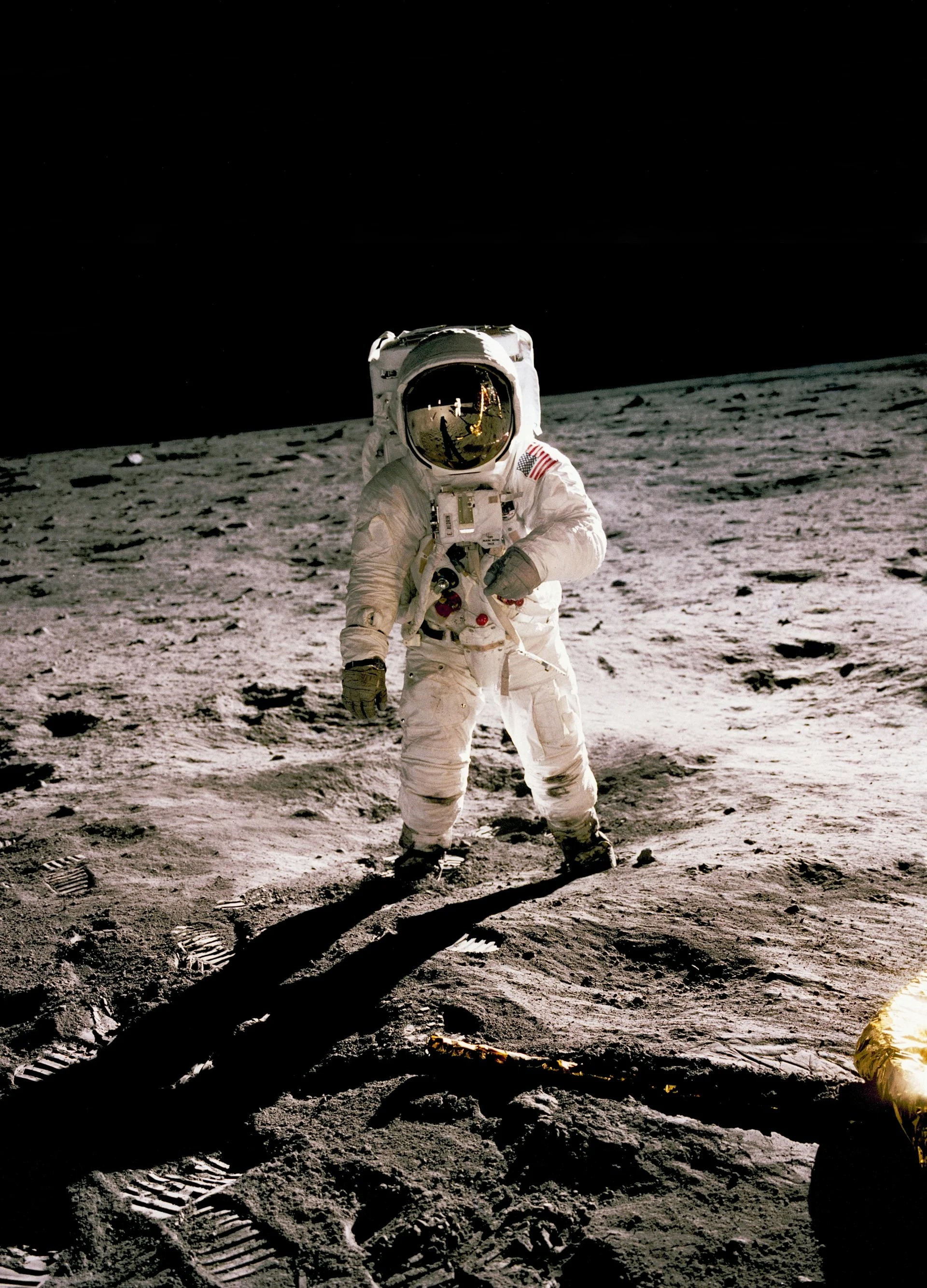
A failed launch could potentially scatter radioactive material, while an accident on the lunar surface could contaminate an area and make it unsafe for astronauts and equipment.
There’s another problem, too, because nobody has ever installed a nuclear reactor on the Moon, and no proven lander is currently ready to deliver a heavy reactor safely onto its uneven surface.
That means the ambitious deadlines set by the competing countries could still slip.
The Moon could become the next geopolitical battleground
The race is about much more than bragging rights.
The US and China both want to establish a lasting human presence on the Moon, where resources such as frozen water could help support future exploration.
Reliable electricity would be essential for turning temporary visits into something much more permanent.
However, some nuclear experts believe international cooperation would be safer than rushing to beat rival nations.
NASA also faces a fuel challenge, with the type of uranium it plans to use in short supply in the US.
Even if the reactor reaches the Moon on schedule, questions remain about how it will be shielded, maintained and eventually dealt with at the end of its working life.
For now, NASA’s December 2030 target remains an ambitious goal rather than a guaranteed launch date.
But if the agency pulls it off, the project could mark a major step towards a future in which humans can live and work on the Moon for much longer than ever before.