NASA shares incredible pictures of what the total solar eclipse looked like from space

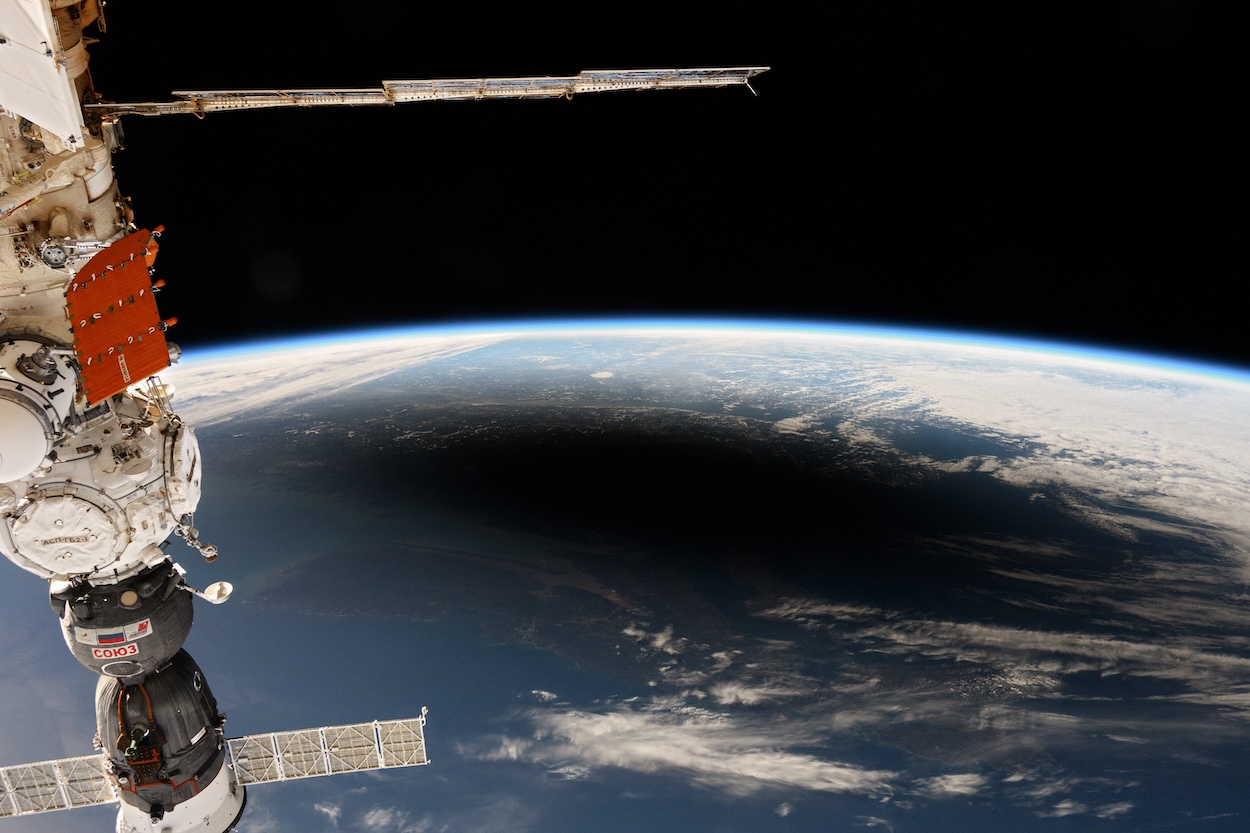

The total solar eclipse that swept across parts of Europe last week looked spectacular from the ground, but the view that NASA had from space was something else entirely.
New images have just dropped that show the Moon’s shadow falling across Earth, creating a huge, almost perfectly defined dark patch on the planet’s surface.
It makes you realize that you think you know what an eclipse looks like, but you don’t know anything until you’ve seen one from space’s perspective
And once you see the eclipse from this perspective, it is hard to look at one from the ground in quite the same way.
These pictures from NASA show the shadow of the solar eclipse over Earth
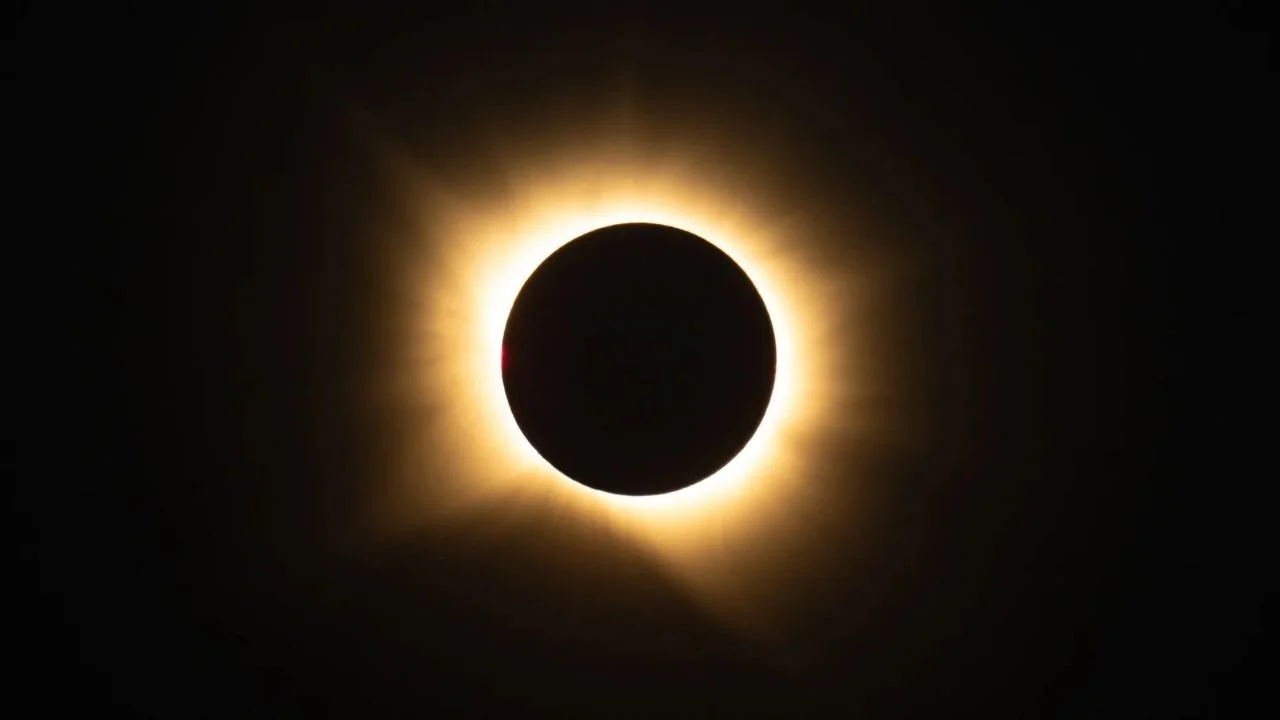
On August 12, a very notable space event occurred: the Moon moved directly between the Sun and Earth, blocking the Sun for anyone sitting inside the narrow path of totality.
NASA’s imagery shows what that looked like from above, with a striking dark shadow stretching across Earth’s surface like a looming smudge on the usual green and blue of our home planet.
That dark central area is the umbra, the innermost part of the Moon’s shadow, where the Sun is completely blocked, and around it is a much larger area called the penumbra, where people experience a partial eclipse instead.
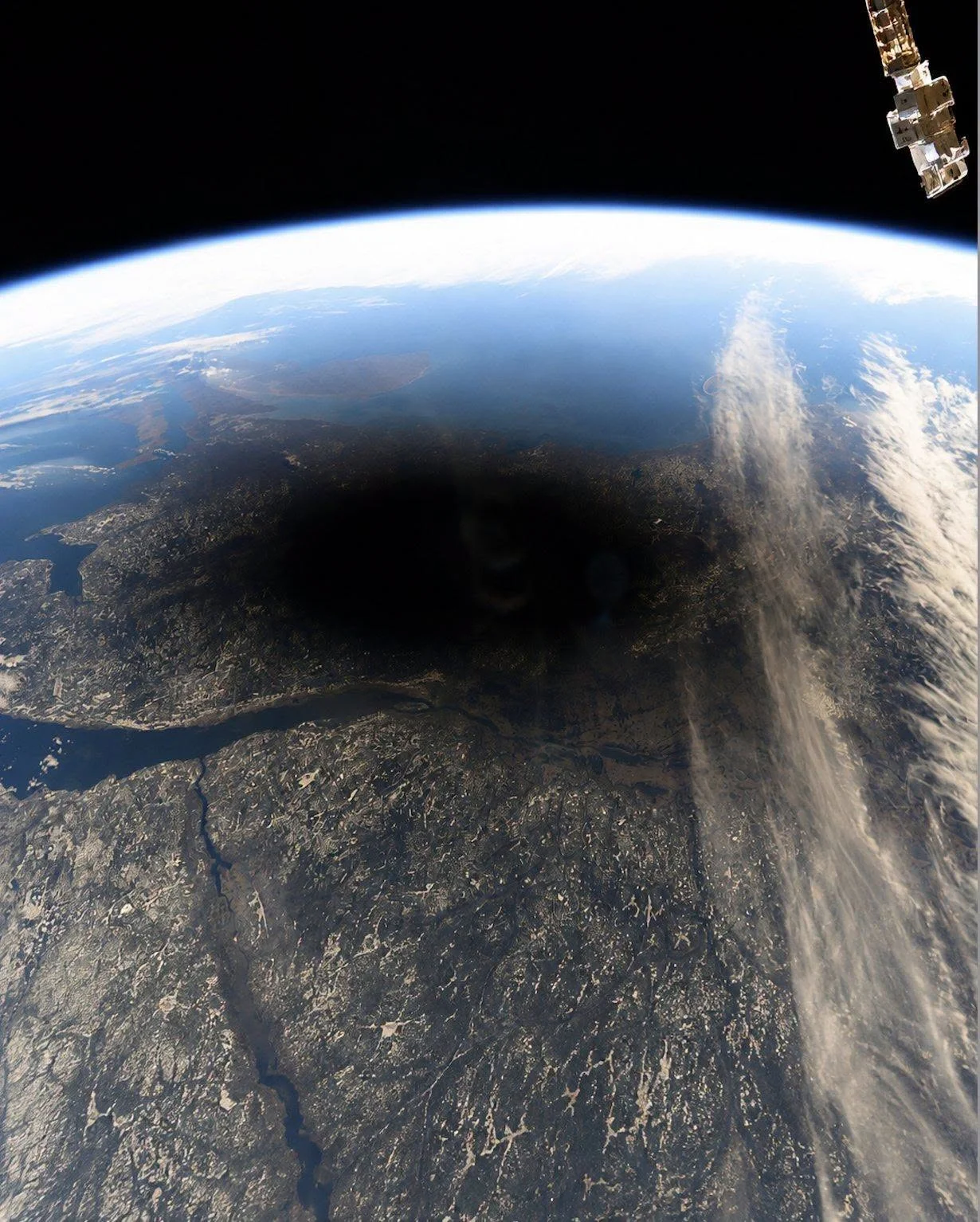
And the scale of it is pretty mind-blowing.
From the ground, someone experiencing totality simply saw the sky become dramatically darker, and the Sun disappear behind the Moon, but from space, however, you can see the darkness itself sitting on top of the planet.
NASA’s snaps show the shadow moving across the Northern Hemisphere as Earth rotated and the Moon continued along its orbit, unlike us though, NASA is allowed to take pics of the sun.
The path of the total eclipse began in far northern Siberia before crossing the Arctic and North Atlantic, Iceland, and northern Spain.
The path of the total eclipse
The August eclipse was particularly exciting for Europe because the path of totality passed through parts of Iceland and Spain, while much of the continent experienced a partial eclipse.
NASA says the total eclipse crossed Greenland, Iceland, northern Russia, the Atlantic Ocean, Spain and a small corner of Portugal.
That meant millions of people were able to watch the Moon gradually cover the Sun, but only those inside the narrow path saw the brief period of complete darkness.
The space-based perspective makes that distinction incredibly easy to see.
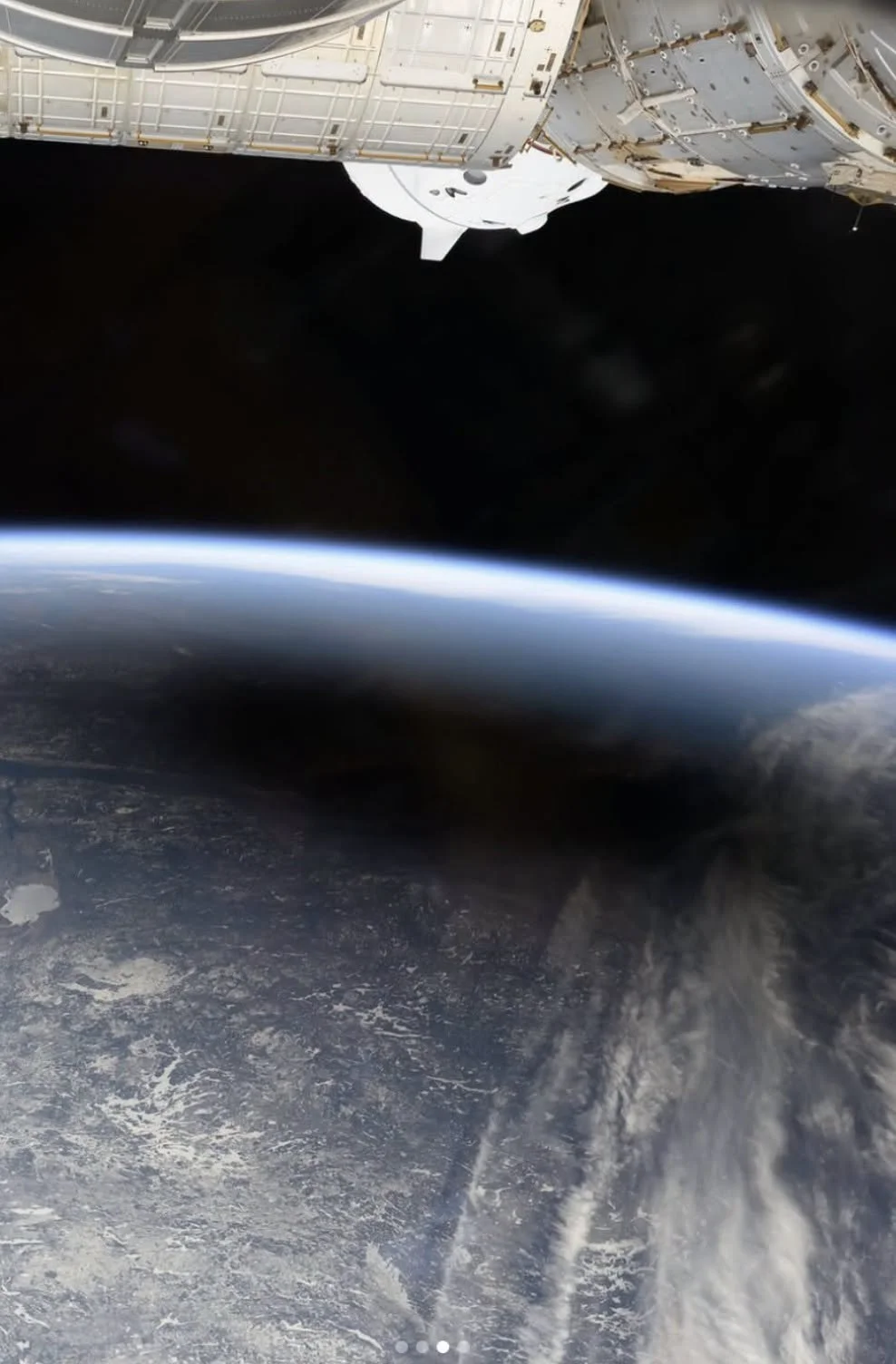
The black oval visible in NASA’s imagery represents the relatively small area where totality was happening at that particular moment. The much broader surrounding shadow represents the partial eclipse.
NASA says the Moon’s umbra on Earth’s surface is only around 300 miles wide, which helps explain why total solar eclipses are so difficult to see from any particular location.
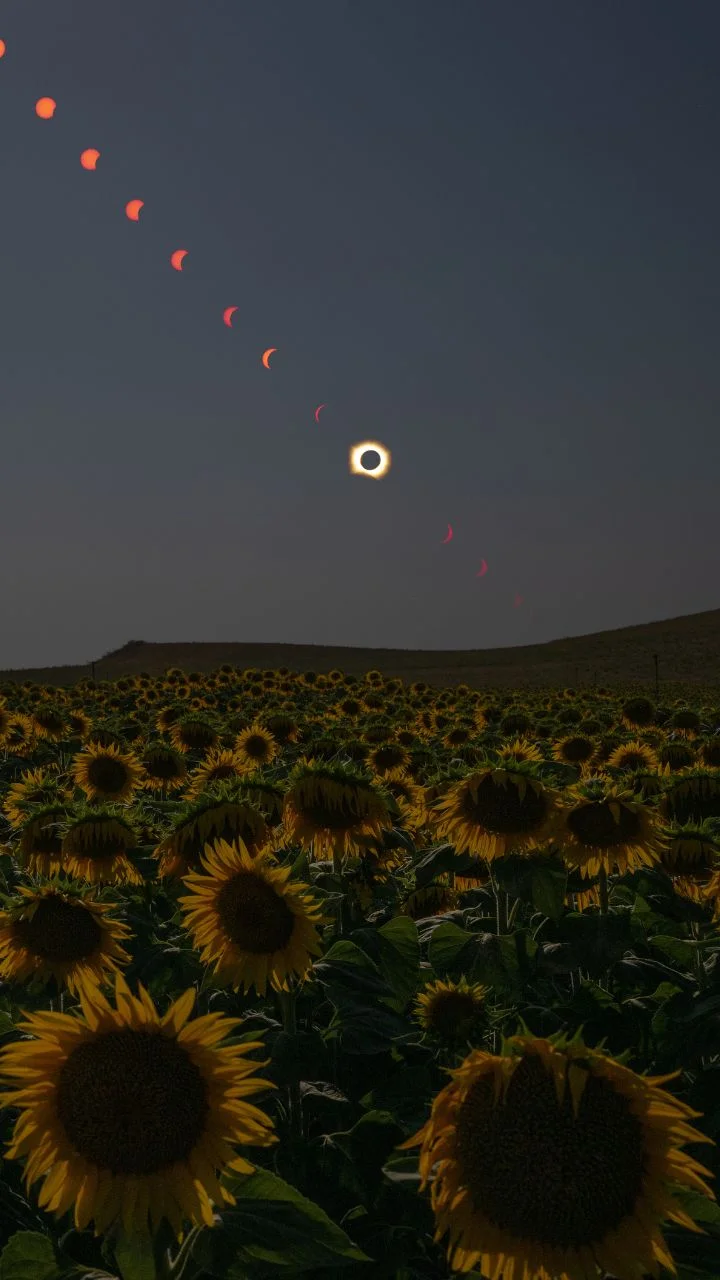
NASA also released pics showing the shadow travelling across the planet during the eclipse, alongside imagery captured by aircraft and other instruments studying the event.
But these pictures of the shadow from above might be the most impressive of all.
After watching the eclipse from Earth, it is easy to think of it as something happening in the sky above you.
From space, you can see the reality: the Moon was briefly throwing shade at us – how rude.