There's a solar eclipse this week and this is why you shouldn't take pictures of it with your phone

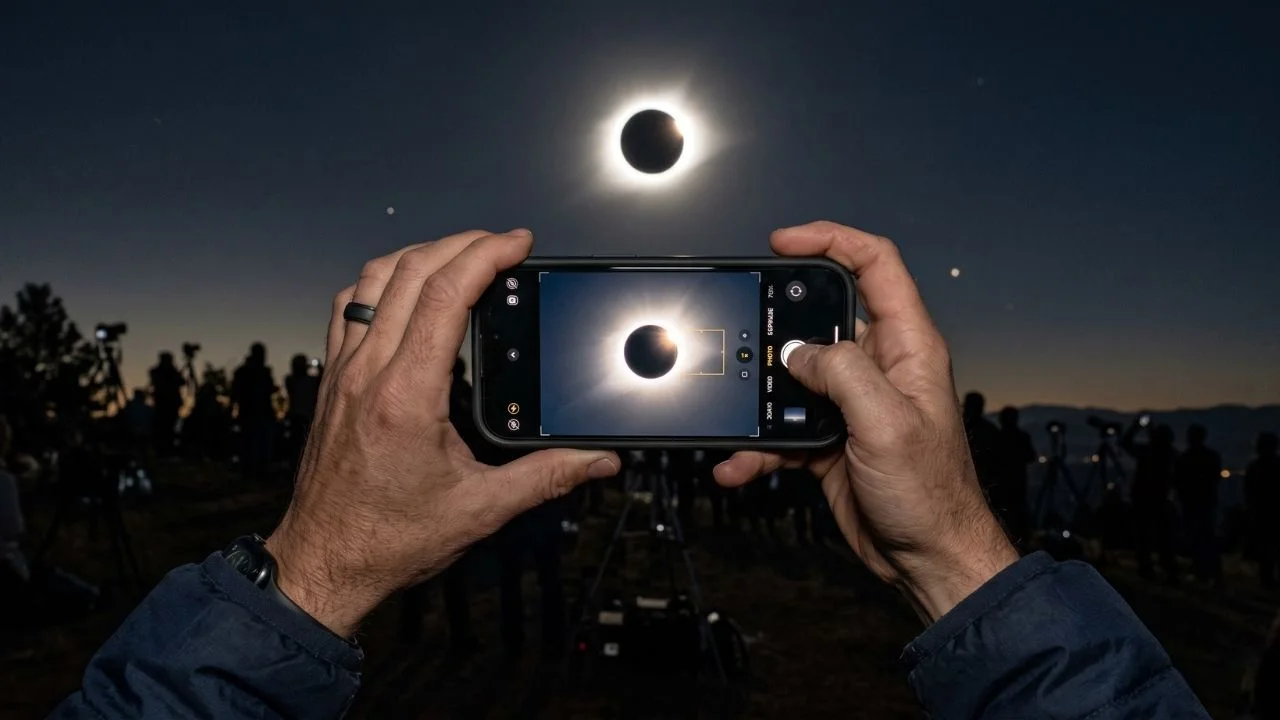

A spectacular solar eclipse will sweep across the skies this week, giving millions of people a chance to see the Moon take a giant bite out of the Sun, but experts say you should put your phone away for this experience.
The August 12 event will be a total solar eclipse in parts of the world.
But before you reach for your phone to grab a quick picture, there is something you should know.
Pointing your smartphone at the Sun without the right protection could leave you with a very expensive camera problem.
The solar eclipse could be bad news for your phone
Solar eclipses are the kind of thing that practically beg you to take a picture, but did you know this space phenomenon is not good for your everyday gadgets?
The sky gets darker, the Sun turns into a glowing crescent, and everyone around you suddenly becomes an amateur astronomer.
Naturally, the first instinct for most people will probably be to pull out an iPhone or Android and start snapping.
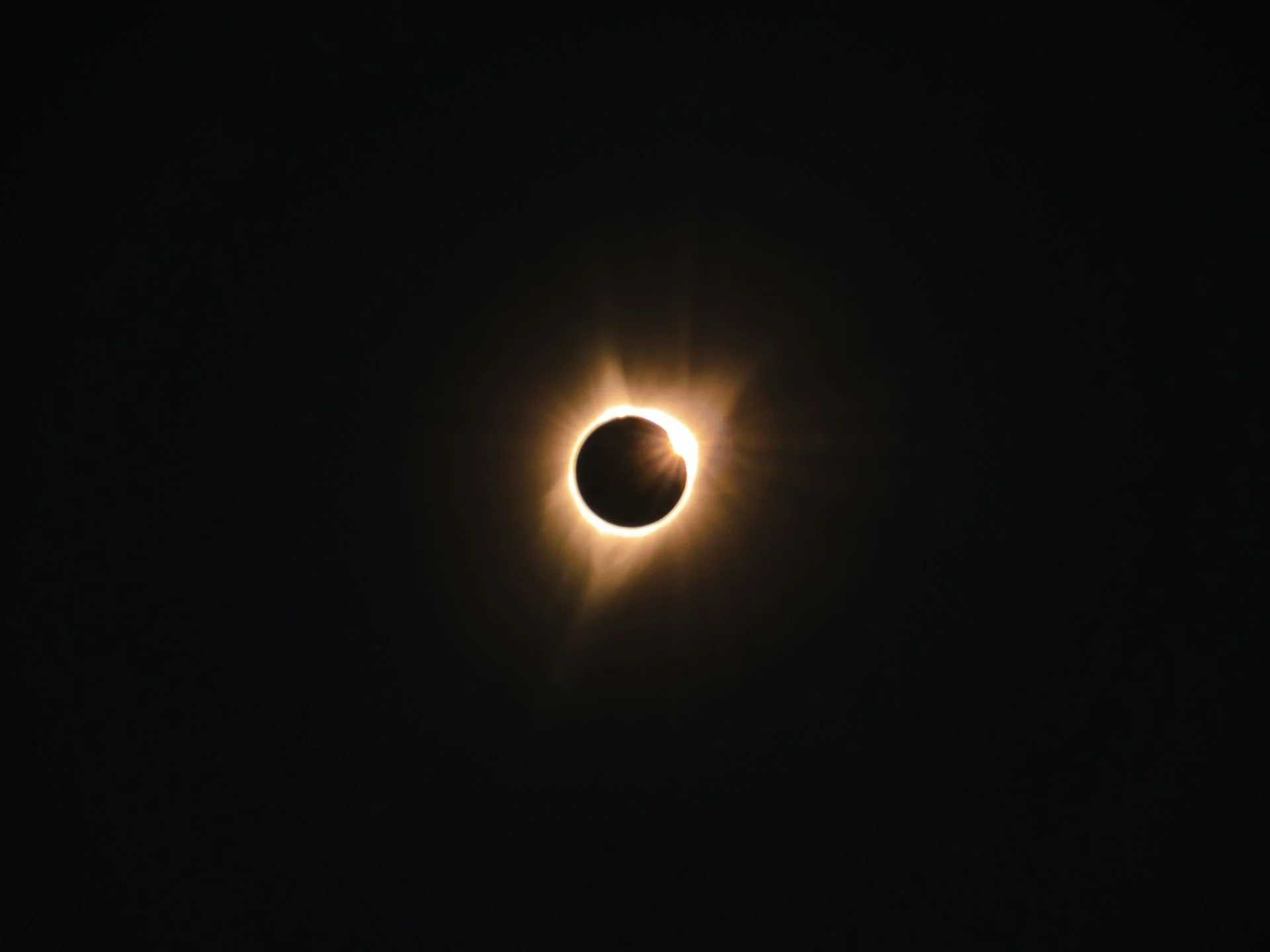
The problem is that your phone’s camera sensor was never designed to stare directly at the Sun for an extended period.
Speaking to Supercar Blondie, Dr Mike Peel, a councillor from the Royal Astronomical Society, said, “Your phone might be able to cope with a quick shot or two, but longer exposure risks damage to its camera and/or can cause the phone to overheat.
“You can use solar eclipse glasses over the phone camera lens to protect it, but make sure you’re also wearing glasses when you’re trying to point it at the Sun.”
NASA has previously warned that smartphone camera sensors can be damaged when pointed directly at the Sun, particularly when a magnifying lens attachment is used.
The intense sunlight can be concentrated through the camera’s optics and onto the sensor, potentially causing permanent damage, which could then show up as blotches, dead pixels or other marks appearing on your photos.
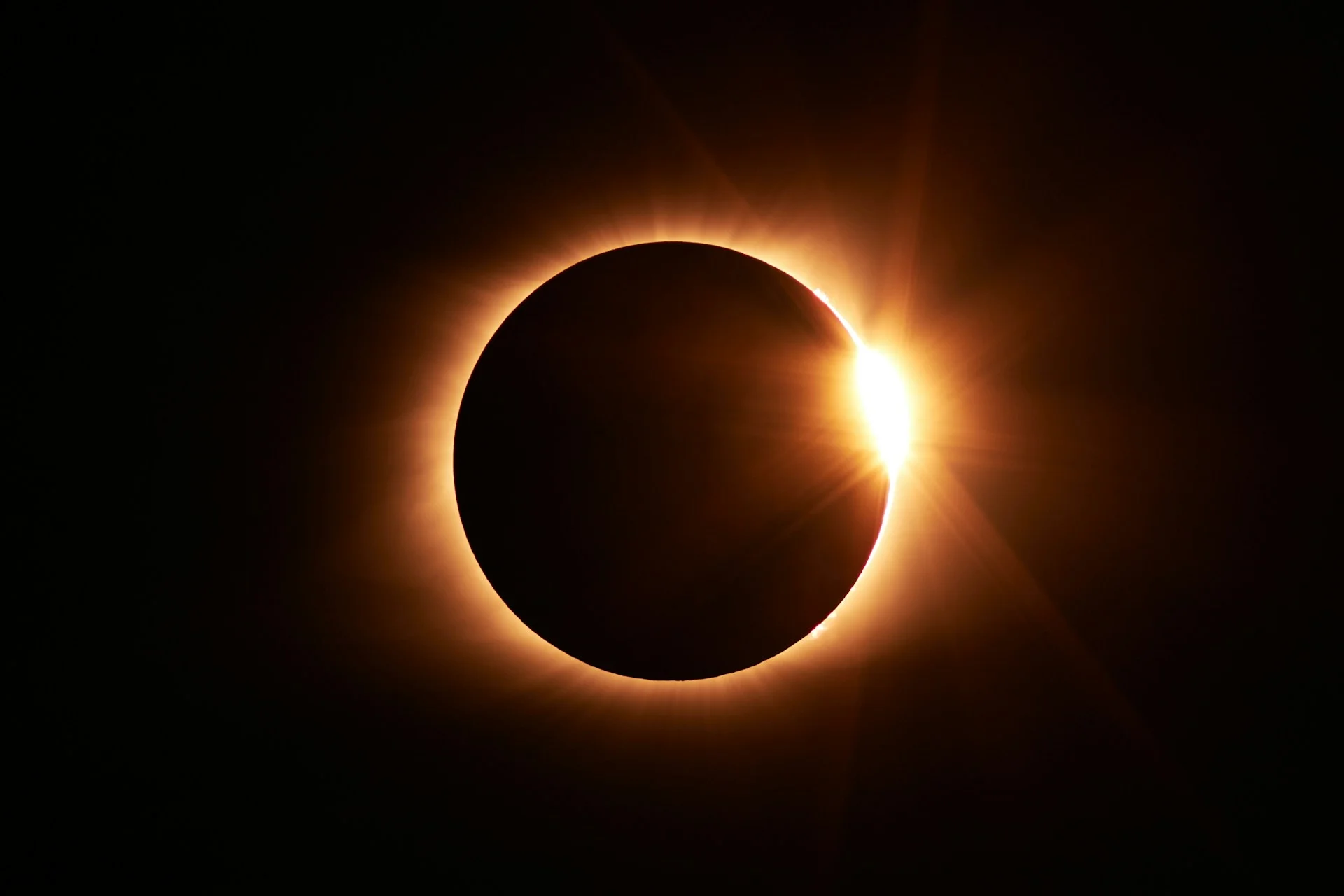
And unlike accidentally taking a terrible eclipse photo, a damaged sensor isn’t something you can fix by simply deleting the picture.
There is another, much more important reason not to use your phone as an eclipse-viewing device: your eyes.
Looking directly at the partially eclipsed Sun without proper protection can cause serious and permanent eye damage.
The fact that the Moon is covering part of the Sun does not make the remaining sunlight safe to look at and as Peel says: “Definitely never look directly at the Sun without solar eclipse glasses.”
The UK Health Security Agency has also warned that staring at the Sun during the August 12 eclipse without appropriate protection can permanently damage your eyesight.
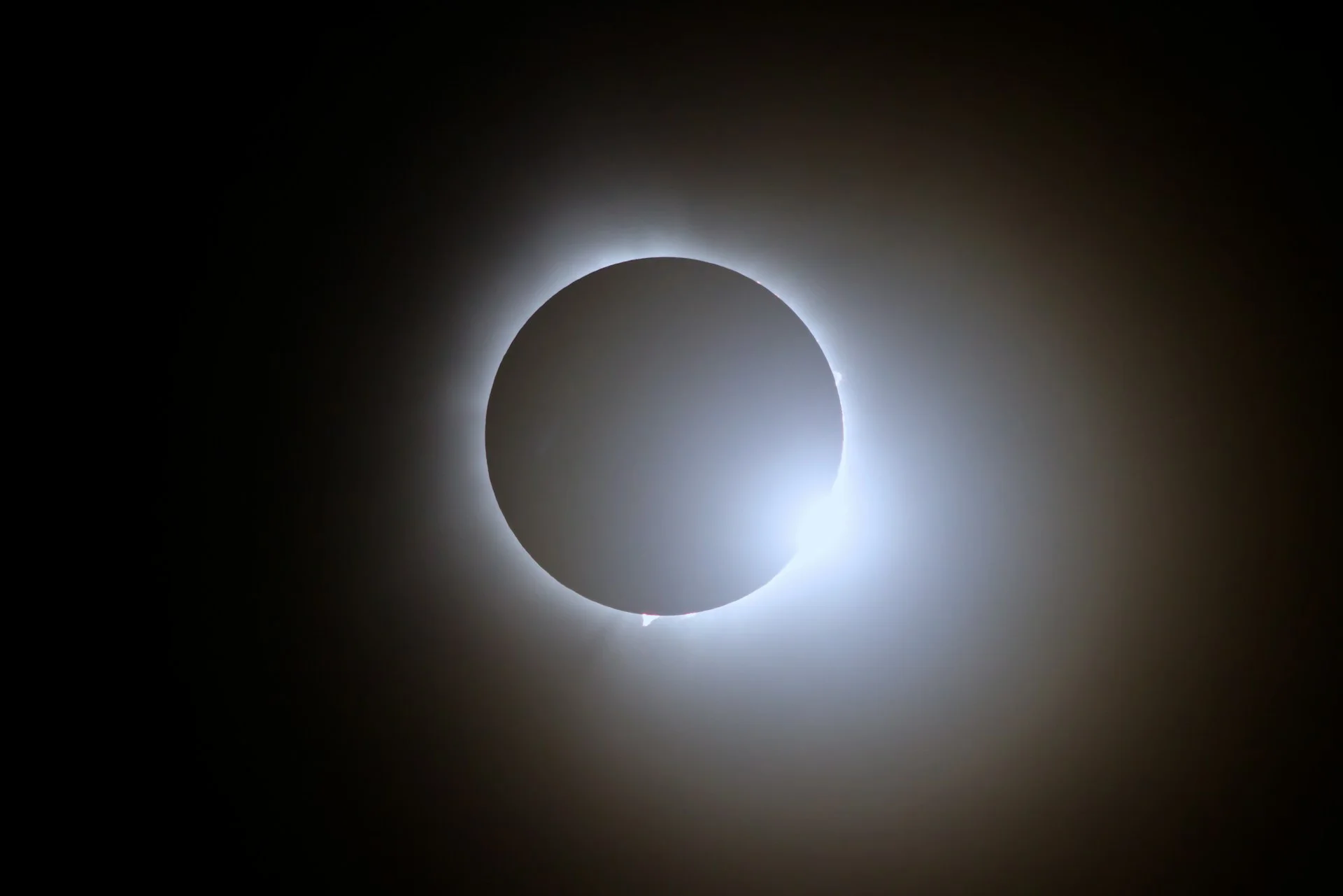
Get the right equipment
This doesn’t mean your phone has to stay completely out of the action.
If you really want to photograph the eclipse, the key is using the right equipment.
NASA recommends using a proper solar filter when photographing the Sun, just as you would with other cameras and optical equipment.
For a smartphone, that means using a suitable certified solar filter over the camera lens rather than simply pointing the naked camera at the sky.
Dr Peel came up with an even more DIY solution, which is looking at the sun through a colander, so it works like a ‘pinhole camera’.
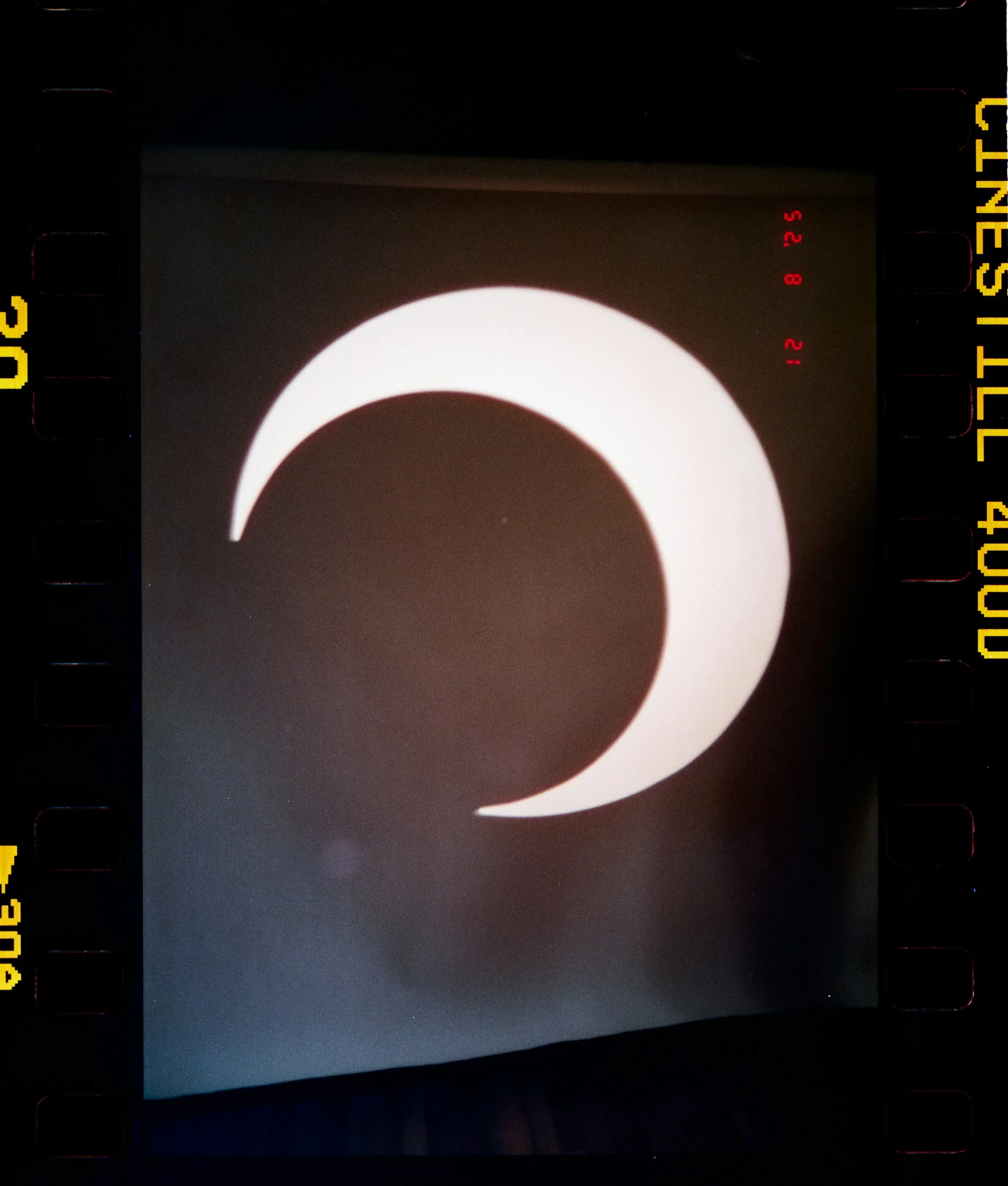
Certified eclipse glasses can also be used in front of a phone camera lens as a filter, provided they meet the appropriate ISO 12312-2 safety standard.
But there is an important distinction between protecting your phone and protecting your eyes.
Putting eclipse glasses on your face does not make it safe to look through an unfiltered camera, binoculars or telescope at the Sun.
Those devices need their own appropriate solar filters because their optics can concentrate sunlight.
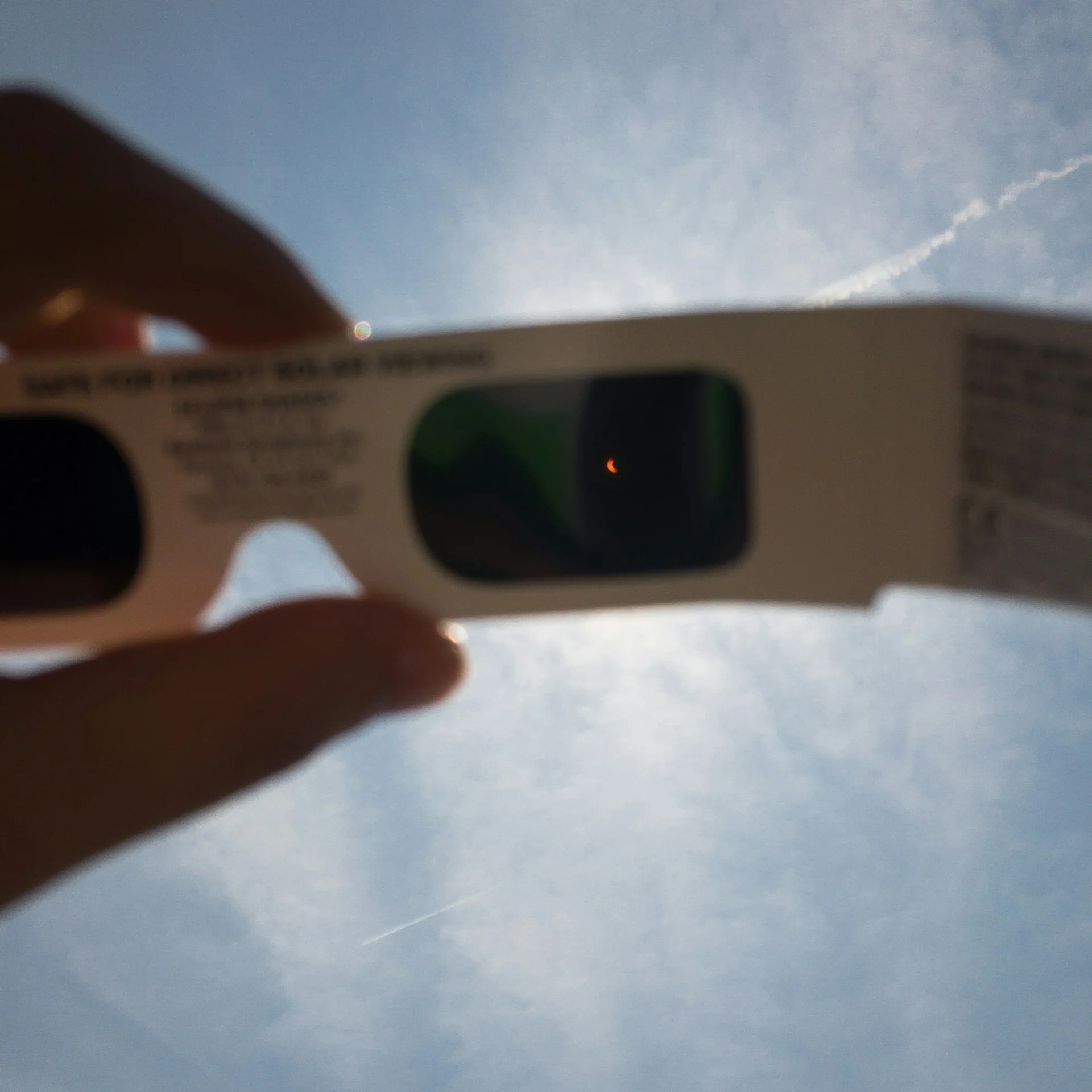
For anyone in the UK, the August 12 event will be a partial eclipse, with London expected to see roughly 91 percent of the Sun covered at maximum eclipse.
That means there will still be a bright portion of the Sun visible throughout the event, so there is no moment when viewers should look directly at it without proper eye protection.
The safest option might therefore be to put the phone down, grab a pair of certified eclipse glasses and actually watch it unfold.
After all, there will be plenty of spectacular professional photographs of the eclipse online.
Your phone’s camera sensor, however, only has one life, and while you may be able to snap a pic, ” it will appear very small in the photograph, and can easily saturate due to its brightness.”
The eclipse will be visible in north and central Spain, part of Portugal, Greenland, Iceland, most of the UK, France, Belgium, Switzerland, and northern Italy.