OpenAI discovers a secret recording device hidden inside its office and uses its own AI models to identify it

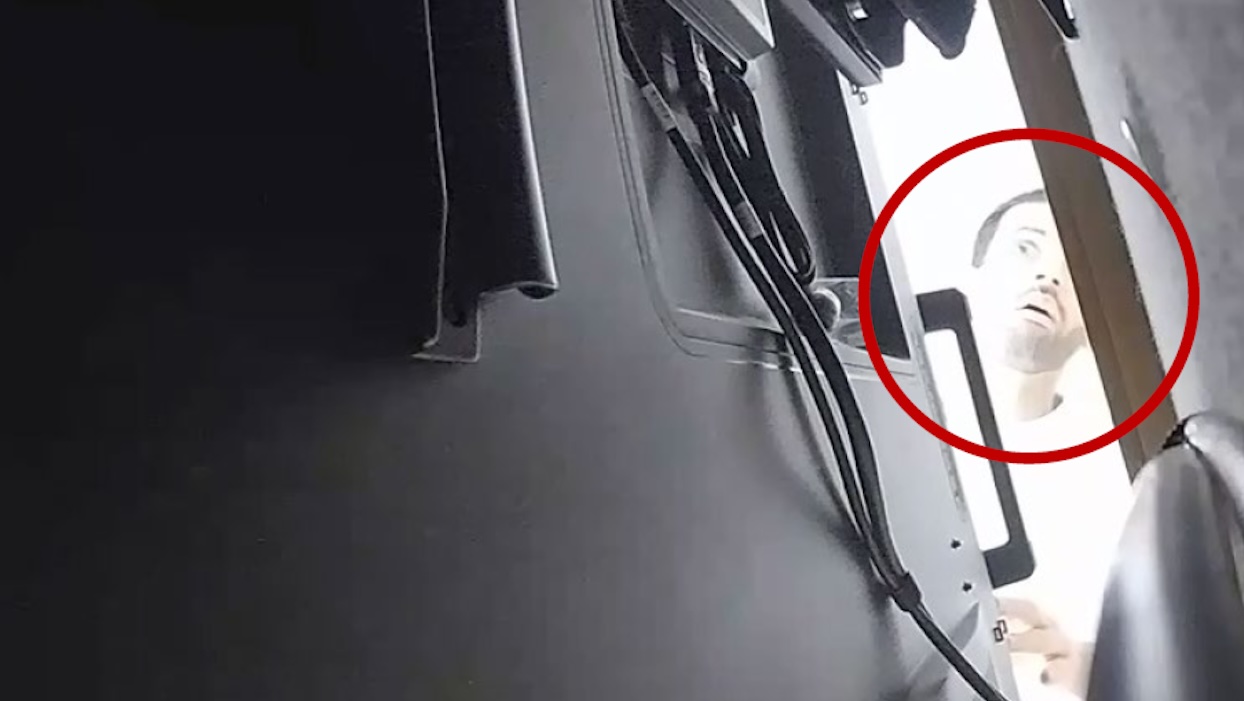

OpenAI is used to dealing with AI, but its latest discovery of a hidden secret recording device inside its own office was a little closer to a real-life spy thriller.
The creator of ChatGPT found a hidden recording device in an executive conference room and turned to its own AI models to help investigate its origin.
The discovery led to an FBI investigation and the arrest of a company employee who has been accused of secretly recording conversations.
And in a particularly ironic twist, AI technology was allegedly involved in the preparations for the incident, too.
The recording device was hidden behind a TV
The gadget was discovered on September 30, 2026, in an executive conference room at OpenAI’s San Francisco offices.
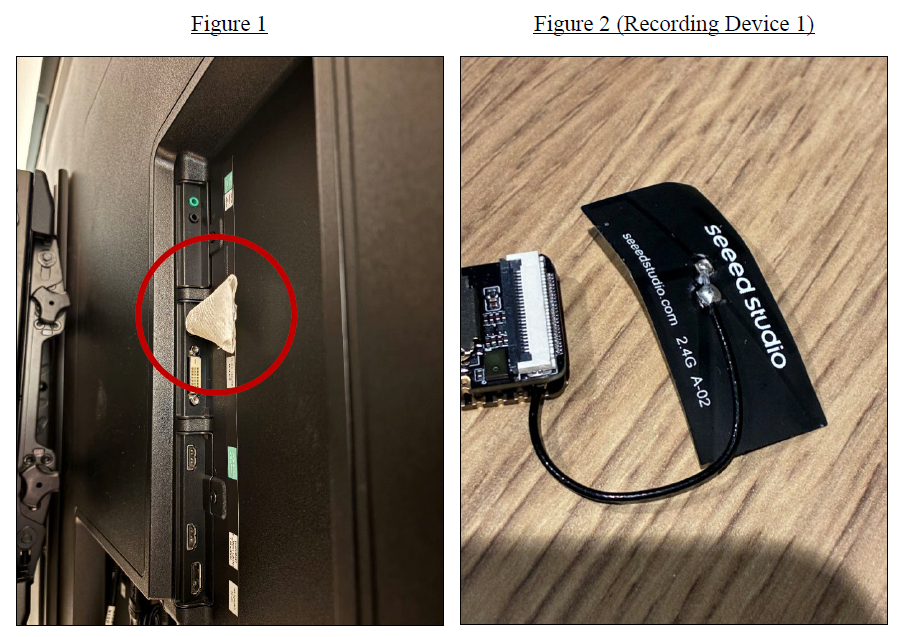
According to federal court documents, it was plugged into a USB port on the back of a television and concealed with a piece of toilet paper.
It might sound like an unusually low-tech hiding place for a company working on some of the world’s most advanced AI systems, but the device was reportedly capable of recording audio and using encryption to protect its stored data.
OpenAI said it used its internal AI models to understand the device and trace where it had come from and this helped it identify an employee who had allegedly planted it just days earlier.
The company then referred the matter to the FBI, which arrested 35-year-old Abdulrahman Alfozan on October 9.
He was charged with using an electronic device to intercept oral communications, and the investigation is ongoing. The allegations have not been proven in court.



OpenAI used its own AI to investigate the mystery
The incident is an unusual example of AI being used to investigate a potential security threat inside the very company developing the technology.
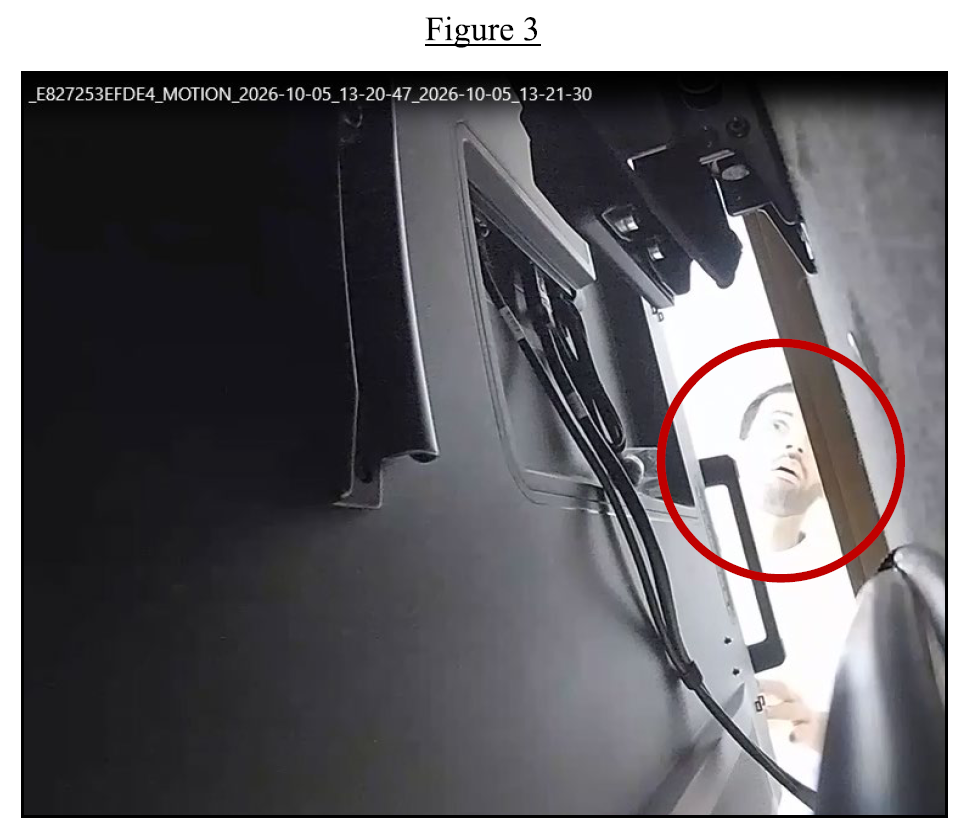
OpenAI said its models helped identify the suspected source of the device, while investigators also examined other evidence, including surveillance footage and information relating to the alleged activity.
According to prosecutors, the device was allegedly intended to capture sensitive conversations about OpenAI’s technology, and investigators also reported finding a similar device in a bag associated with the suspect.

However, there is an important distinction between what investigators allege and what has been established. Alfozan has been charged, but the case remains under investigation.
OpenAI also said it had found no indication that the individual had improperly accessed or taken its model weights, source code or customer data.
We discovered a sophisticated recording device that was hidden inside one of our offices. We used our models to understand the device and where it had come from, identifying that a specific employee had planted it a few days earlier. We referred the matter to the FBI, and we’re grateful to the agents and prosecutors who moved quickly to make an arrest. The FBI’s investigation is ongoing and we will continue to support their work. At this time, we have no indications of this individual inappropriately accessing or exfiltrating model weights, source code, or customer data. The employee was terminated. We take protecting our technology, data, and people seriously, and as a matter of national importance. Our security program is designed to protect against a wide range of threat actors, from insider risks to cybercriminals to nation states, and this case is an example of how AI can help address these sophisticated security threats.
— OpenAI Newsroom (@OpenAINewsroom) October 13, 2026
AI has a surprising role in the case
Perhaps the strangest detail is that AI tools reportedly featured in the alleged preparations for the surveillance operation, too.
According to the FBI’s statement, an account associated with the suspect’s spouse used an AI chatbot to ask questions about configuring a recording device for covert use.
Investigators also described the use of an AI productivity agent to gather information about meeting rooms and their schedules.

That creates an awkward situation for the AI industry: the same general technology that can help security teams investigate suspicious devices can also be misused by people attempting to conceal their activities.
For OpenAI, the episode puts the focus on protecting sensitive meetings as AI companies race to develop increasingly capable systems.
The investigation is continuing, and there is currently no indication that OpenAI’s core AI models or customer data were compromised in the incident.
What an incredibly 2026 incident.