Woman paralyzed since 2014 stands up and walks again using advanced robotic suit

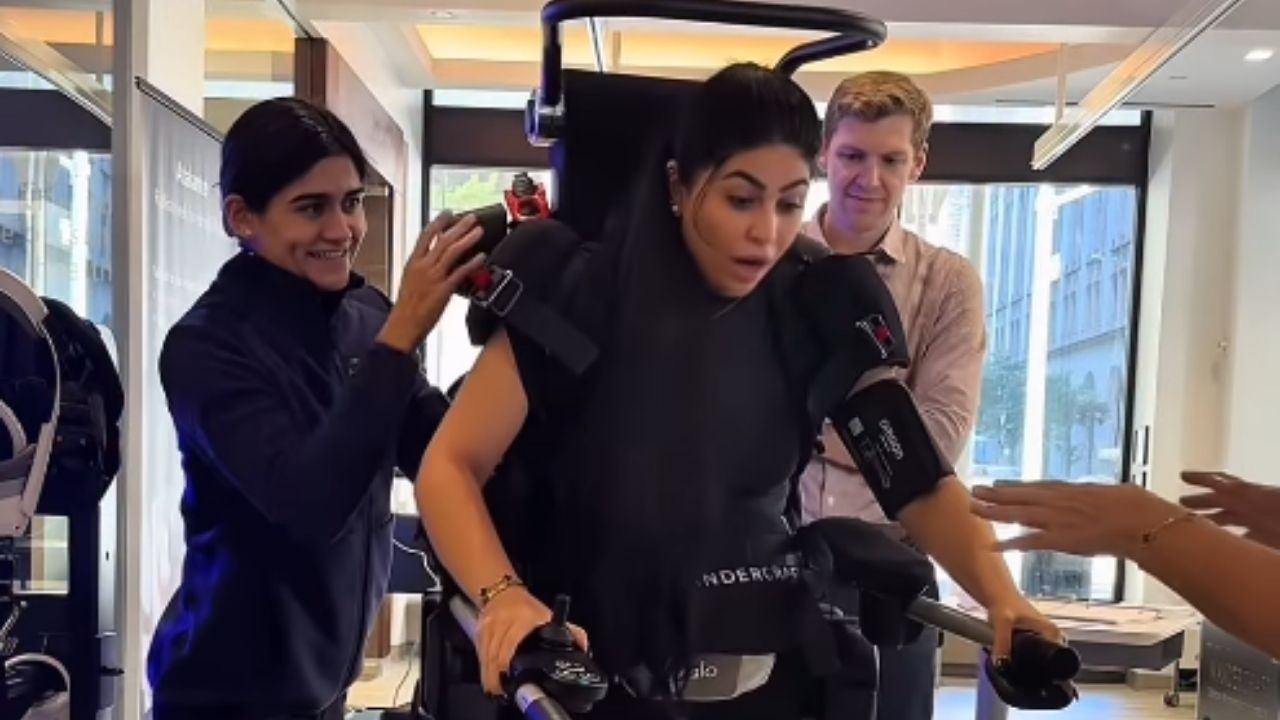

Technology is giving people with mobility challenges new ways to experience movement, and one woman’s emotional reaction to an advanced robotic suit is showing just how powerful that can be.
Jessica Tawil was just 16 when a car accident in 2014 left her paralyzed from the waist down.
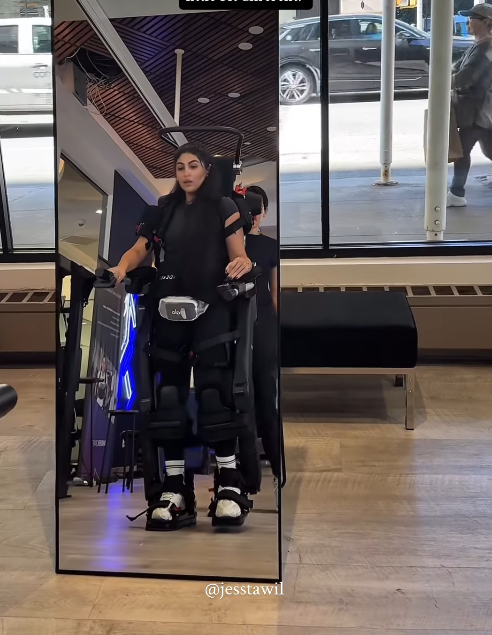
After years of using a wheelchair, she has now experienced standing upright and taking steps with the help of a futuristic robotic exoskeleton.
A video of the moment has captured the attention of millions online, with viewers celebrating the technology behind it.
Jessica Tawil experienced standing and walking again after a decade
Tawil’s life changed dramatically when she was involved in a car accident at 16, leaving her with a spinal cord injury that affected movement in the lower half of her body.
Since then, she has adapted to life as a wheelchair user and built a following online by sharing her experiences, everyday routines and lifestyle tips.
She has amassed more than three million followers across TikTok and Instagram, where she offers an insight into life with a disability.
In late 2025, Tawil shared an emotional video showing her standing and taking steps for the first time in around a decade with assistance from a robotic exoskeleton.
The clip captured her astonishment as she experienced the movement, with her reaction reflecting just how significant the moment was after so many years.
The footage has recently gone viral again, drawing renewed attention to Tawil’s story and the possibilities offered by assistive technology.

The advanced robotic suit helps her take supported steps
The device Jess used is a robotic exoskeleton, a wearable piece of technology designed to provide mechanical assistance with movements such as standing and walking.
Rather than relying entirely on the user’s own muscle strength, the robotic suit uses motors and control systems to help move and support the body.
Depending on the device, they can assist with actions such as straightening the legs, maintaining an upright position and taking steps.
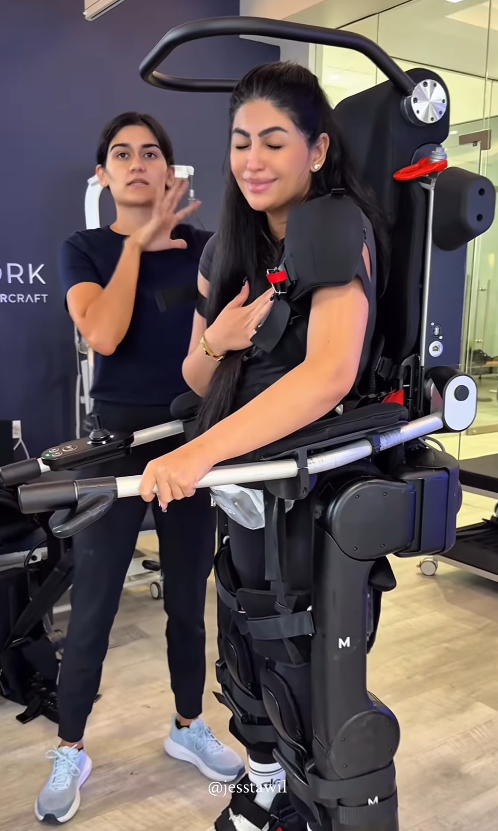
For people with certain spinal cord injuries, the technology can offer an opportunity to experience supported movement that might otherwise be difficult or impossible without assistance.
Tawil’s experience highlights how robotics is expanding the possibilities available to people living with mobility impairments.
However, there is an important distinction: using an exoskeleton does not mean that paralysis has been reversed.
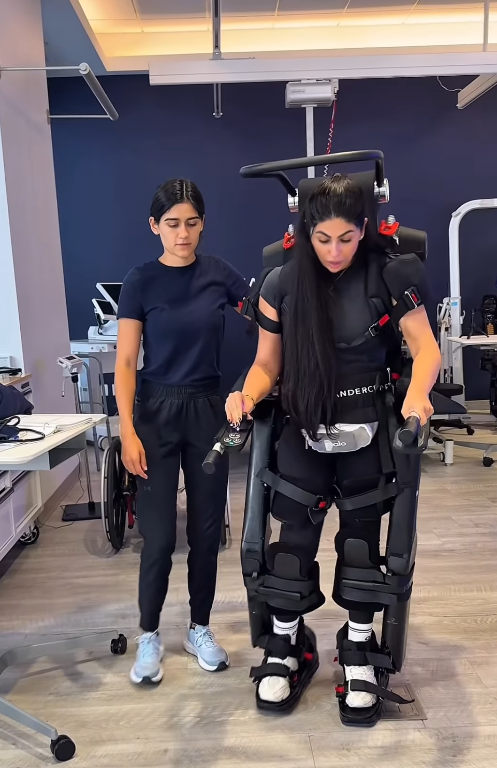
The device provides mechanical assistance, and the ability to use one depends on the individual and the technology involved.
That makes Jess’ moment all the more meaningful, because after years of navigating life in a wheelchair, she was able to experience standing upright and moving with the help of a machine.
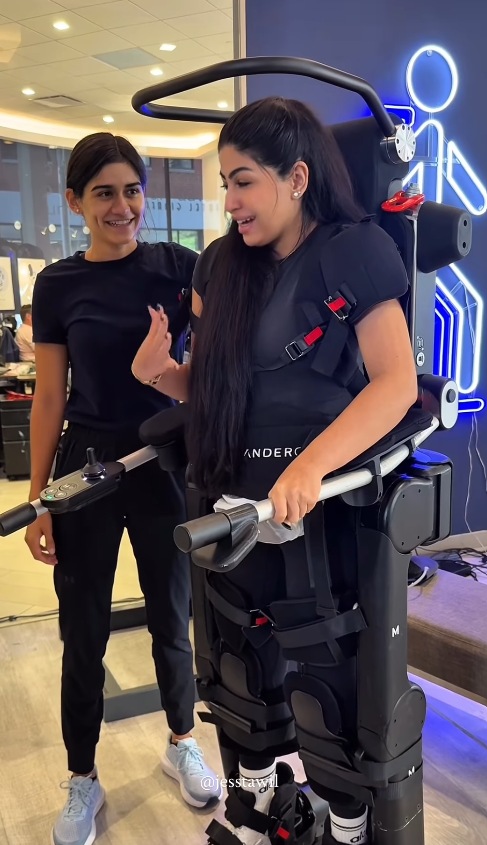
The video has inspired viewers around the world
Tawil’s emotional reaction has resonated with people online, with many celebrating the role technology can play in improving the lives of people with disabilities.
Comments on the video praised the robotic technology and expressed hope that future developments could offer even more opportunities for people living with paralysis.
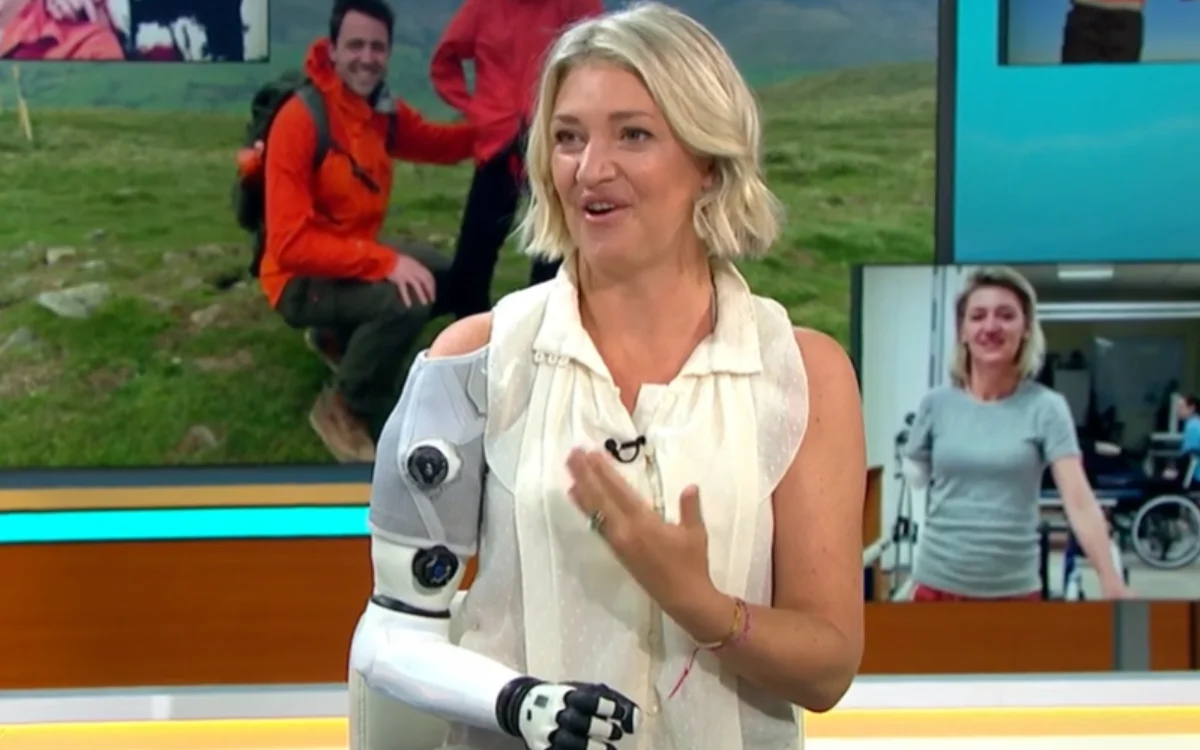
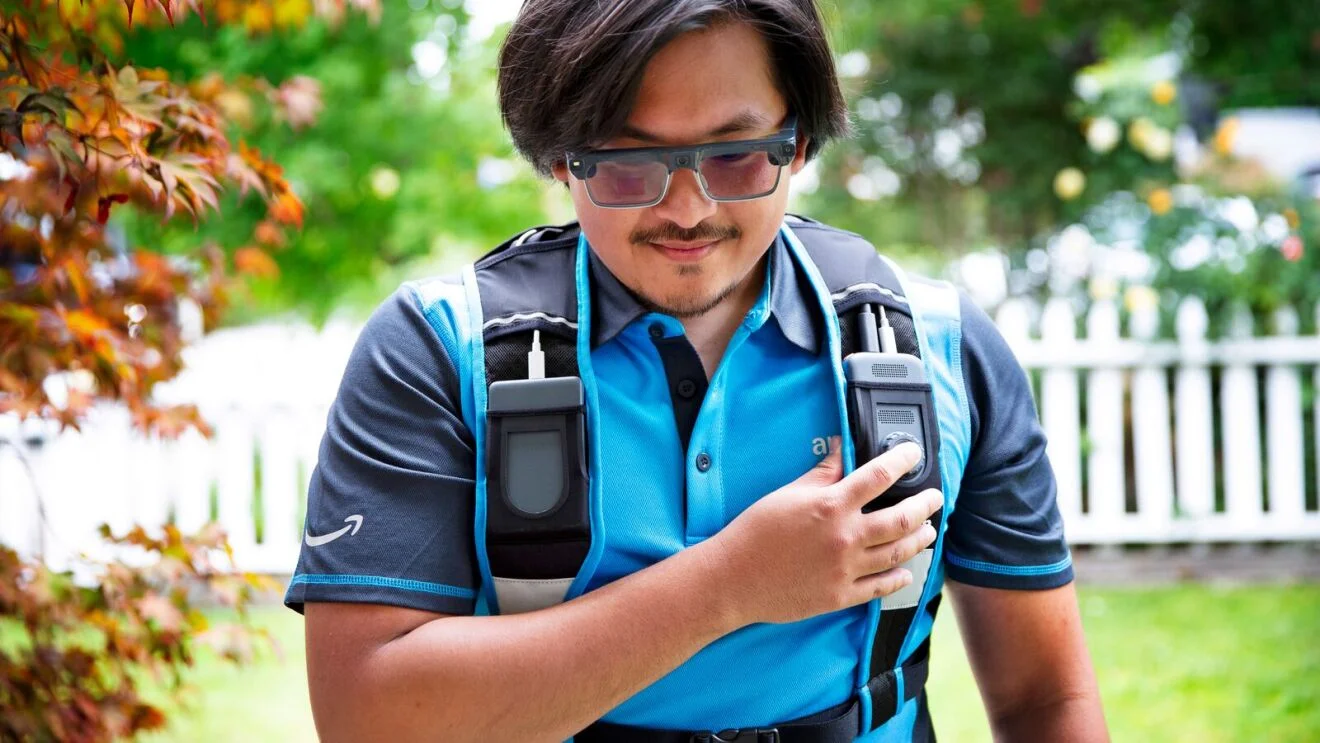
The response also reflects a wider interest in assistive robotics, as engineers develop wearable machines designed to support movement, rehabilitation and independence.
Jess has continued to share aspects of her life online and has also founded Tawil Beauty, a hair growth brand inspired by her own hair recovery journey and Lebanese family traditions.
Her story is a reminder that advances in robotics can have a deeply personal impact beyond the engineering itself.
While a robotic suit cannot restore movement for everyone, it can create opportunities that once seemed out of reach for some people with mobility challenges.
For Jess, the chance to stand and take supported steps after years of paralysis was a moment worth sharing with the world.
Go Jess, go!