Plastic surgeons reveal people have started asking to make them look more AI-generated

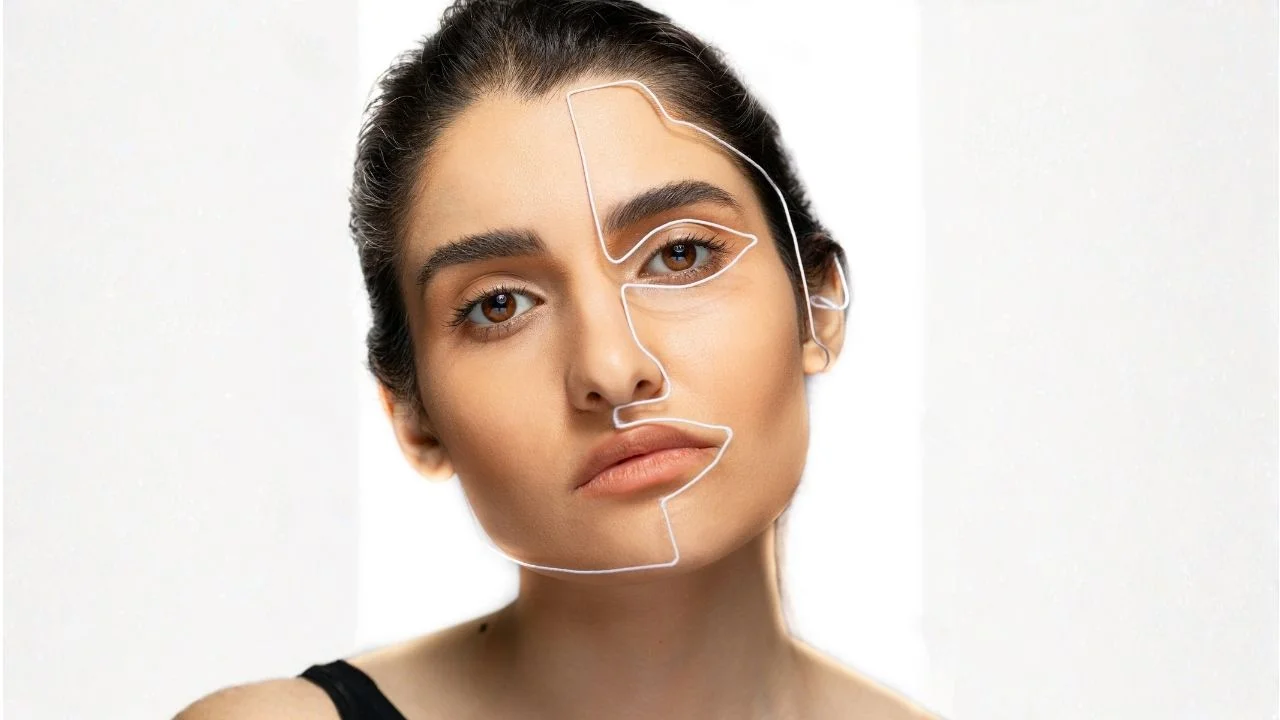

Plastic surgeons have revealed that people have started asking to make them look more AI-generated, and the requests are sounding straight out of the Uglies books.
Doctors say patients are increasingly bringing in AI-created selfies and ultra-filtered photos as inspiration for procedures, hoping to achieve the same flawless look they see online.
The trend appears to be fueled by generative AI tools, beauty filters, and social media apps that create faces with impossibly smooth skin and perfectly symmetrical features.
Now, experts are warning that the growing obsession with looking AI-made could blur the line between human beauty and digital fantasy.
Doctors shocked by AI-generated requests
According to tech reports, some cosmetic surgeons are now seeing patients request features inspired by AI-generated images rather than real celebrities or influencers.
Instead of showing reference photos of actors or models, patients are reportedly presenting heavily edited selfies or completely AI-created portraits during consultations.
The desired look often includes glass-like skin, ultra-sharp jawlines, oversized eyes, and perfectly balanced facial symmetry that doesn’t naturally exist in real life.
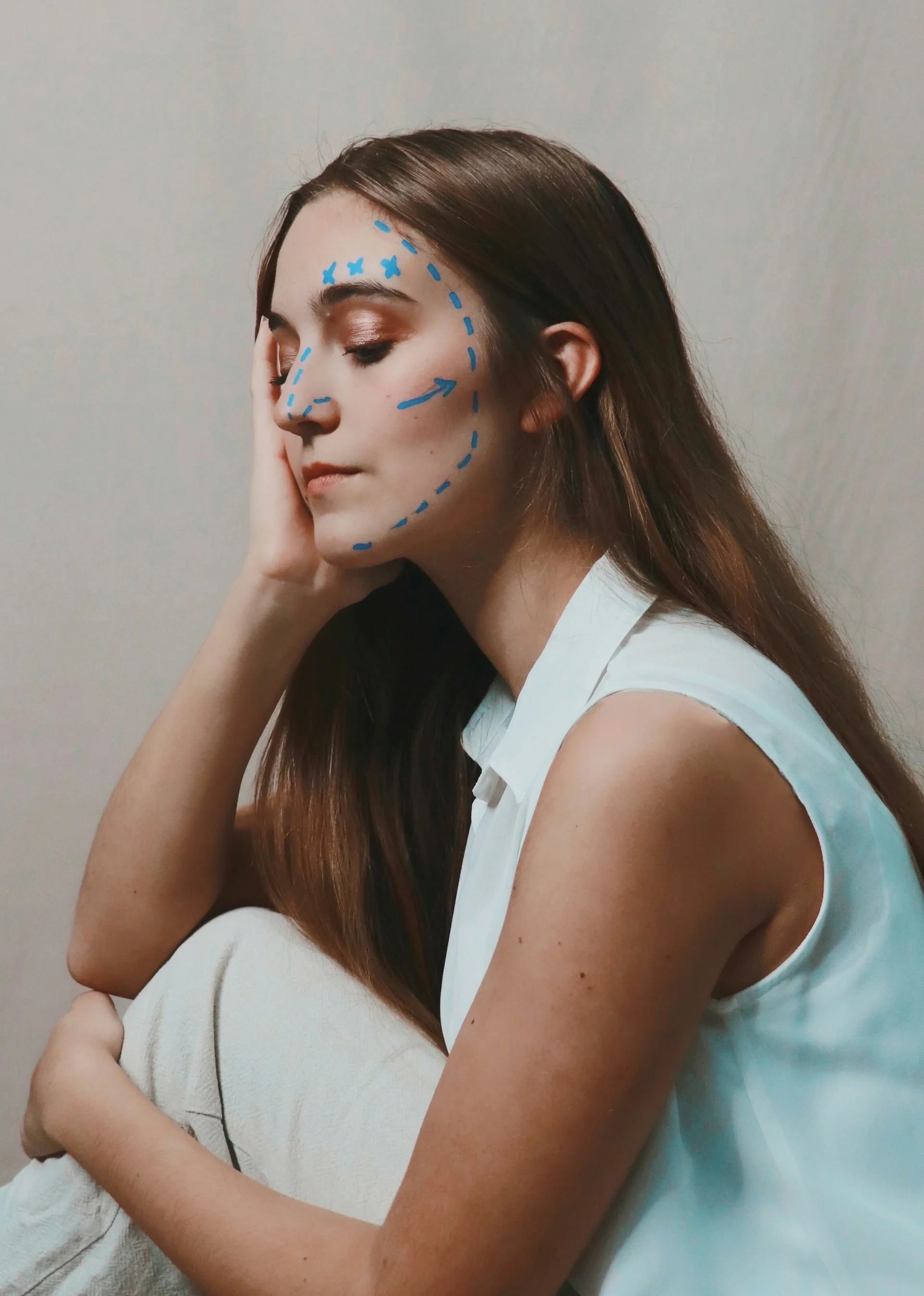
Speaking to Experts say AI-generated faces are specifically designed to appear attractive by combining patterns and features humans are drawn to, which can make the results feel eerily polished.
Dr Rachel Westbay told Business Insider: “It’s like saying I want to look like Ariel from The Little Mermaid,” adding that she was ‘shocked’ at a cartoonish, doll-like avatar she was presented with.
But recreating those faces surgically is not always realistic.
Some doctors reportedly explained that AI images can invent facial structures and proportions that don’t physically work on real humans, making certain requests impossible to achieve safely.
The rise of generative AI has also made these images far more common online, especially across TikTok, Instagram, and beauty apps where hyper-perfect faces dominate feeds.
Unrealistic beauty expectations
Some professionals are worried the trend could worsen body image issues and unrealistic beauty expectations.
Unlike traditional edited photos, AI-generated faces aren’t bound by anatomy, aging, or physical limitations, meaning they can create standards no real person can naturally meet.
Doctors reportedly said some patients are chasing a look that resembles digital avatars more than actual human appearances.
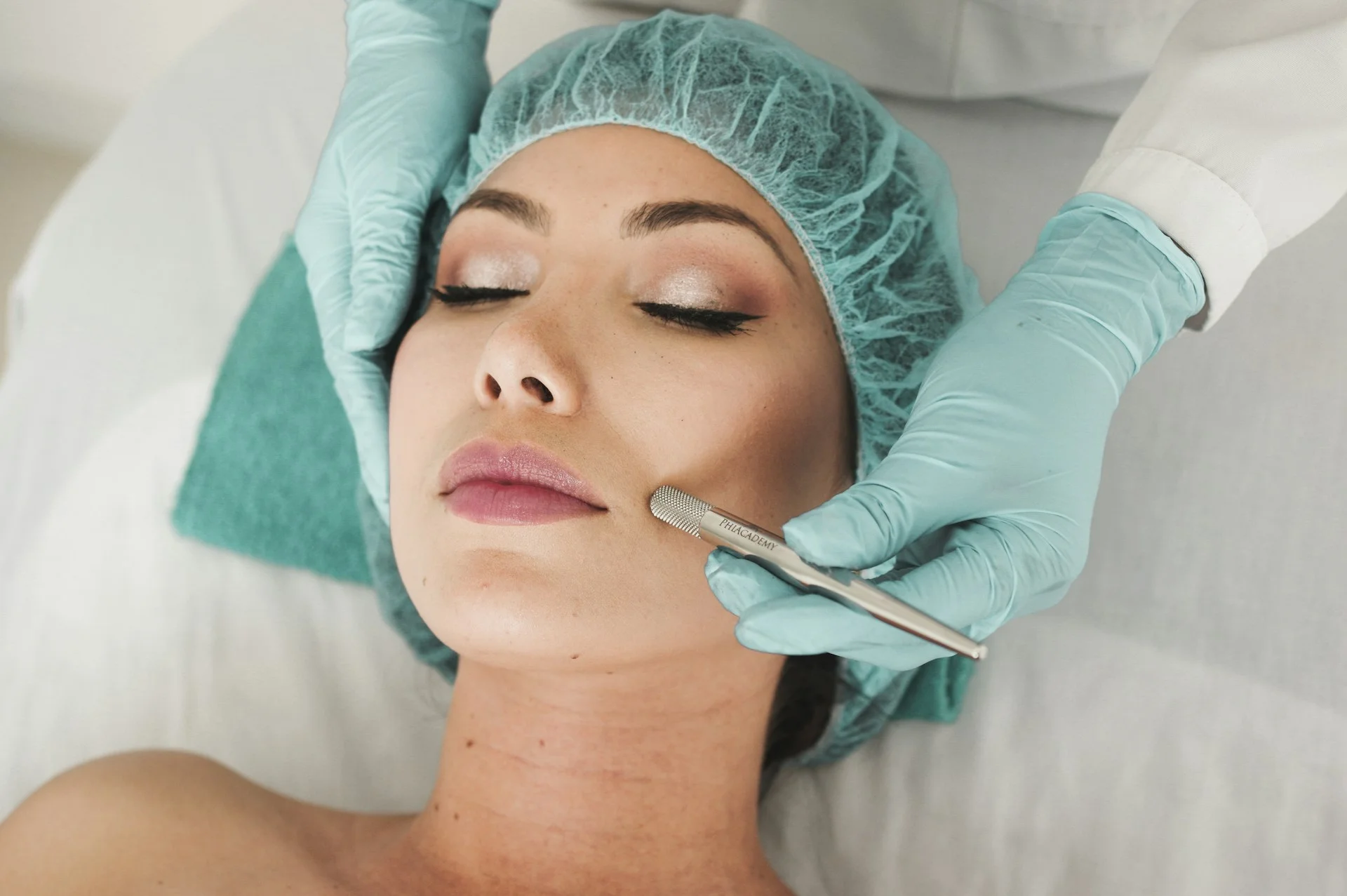
Researchers have already linked social media filters to self-esteem issues, but experts believe AI-created beauty standards could push those pressures even further.
As AI tools become more advanced, the gap between real faces and digitally perfected ones may continue growing.
Dr Steven Williams also spoke to Business Insider, saying, “It’s not necessarily a completely negative thing for people to explore the look or the goal they want, but the important thing is recognizing that there are still limitations.”
And while AI is already changing industries like art, filmmaking, and technology, it seems cosmetic surgery may be the latest world getting pulled into the algorithm too.