Scientists discover that the human brain is actually two separate organs in groundbreaking new research

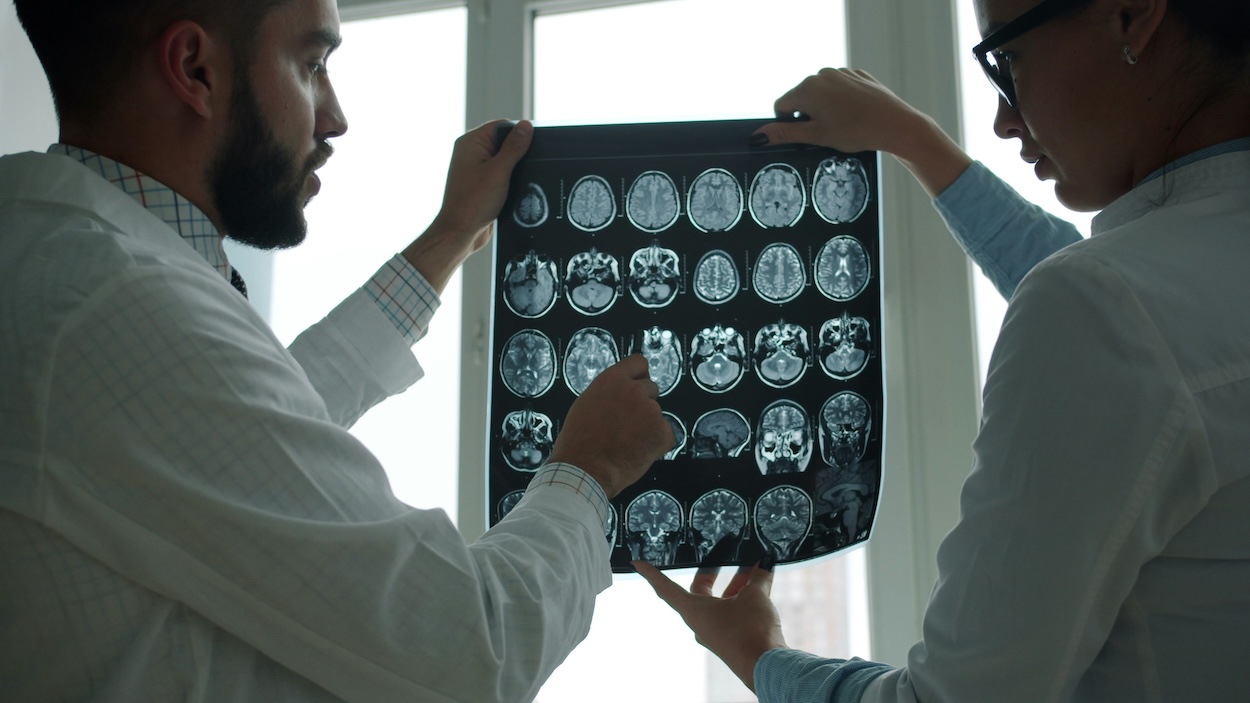

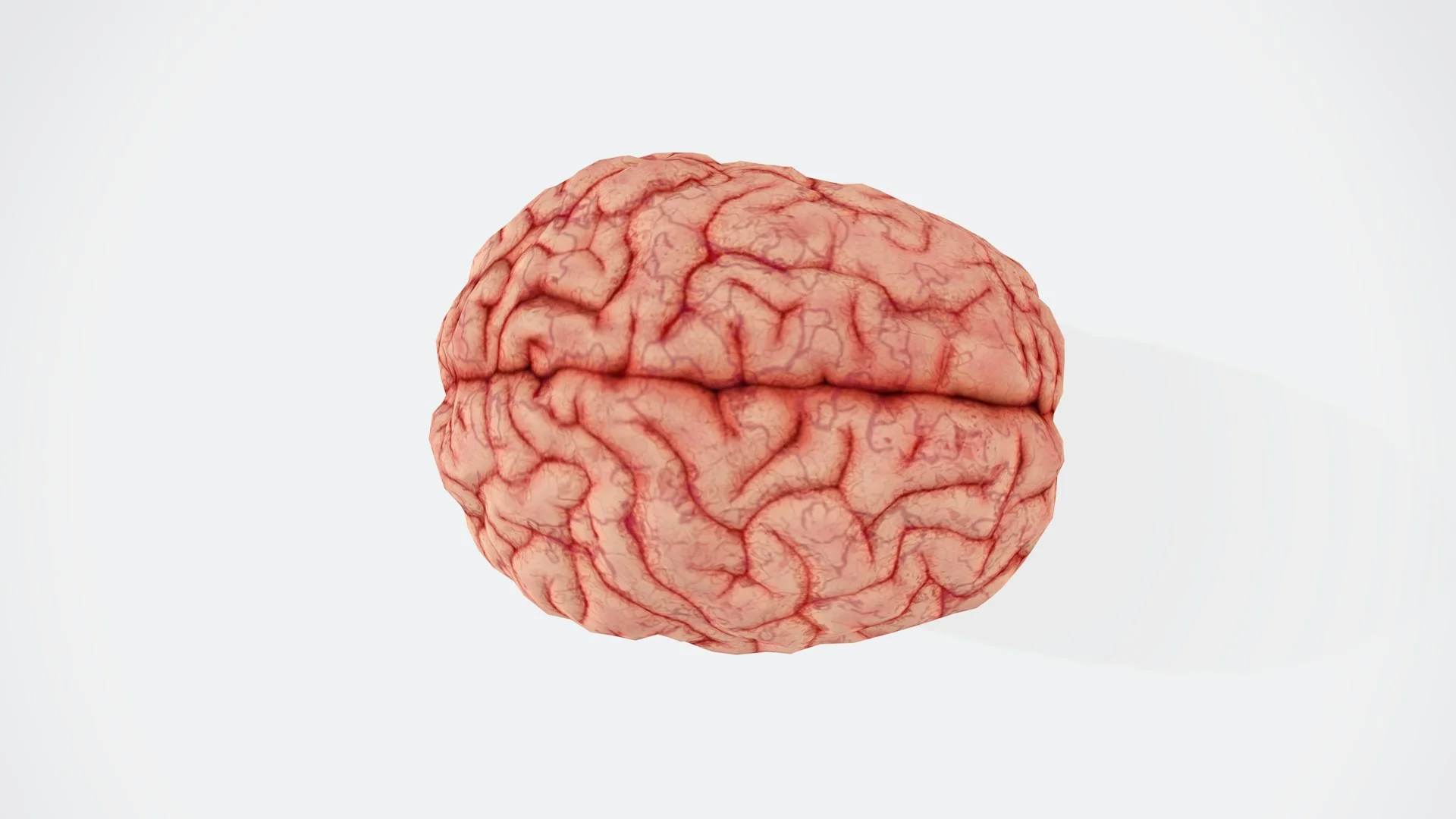
The human brain has always been treated as one incredible organ, but scientists have now found that its story is much stranger than we thought and it might actually be two separate organs.
Researchers at Stanford University discovered that it develops from two completely separate cellular systems that appear to have evolved independently.
The two systems eventually came together to form the brain we have today, with one handling essential survival functions and the other responsible for many of our more complex abilities.
Even more excitingly, the discovery could help scientists investigate some devastating neurological diseases.
The brain appears to have two very different origins
The futuristic discovery came when researchers were trying to understand why certain neurological cells have been so difficult to grow in a laboratory.
Scientists had previously believed that the entire brain developed from a single type of ‘parent’ cell early in embryonic development.
But when the Stanford team examined embryos during gastrulation, an early stage when the body’s basic structures begin to form, they found something very different.
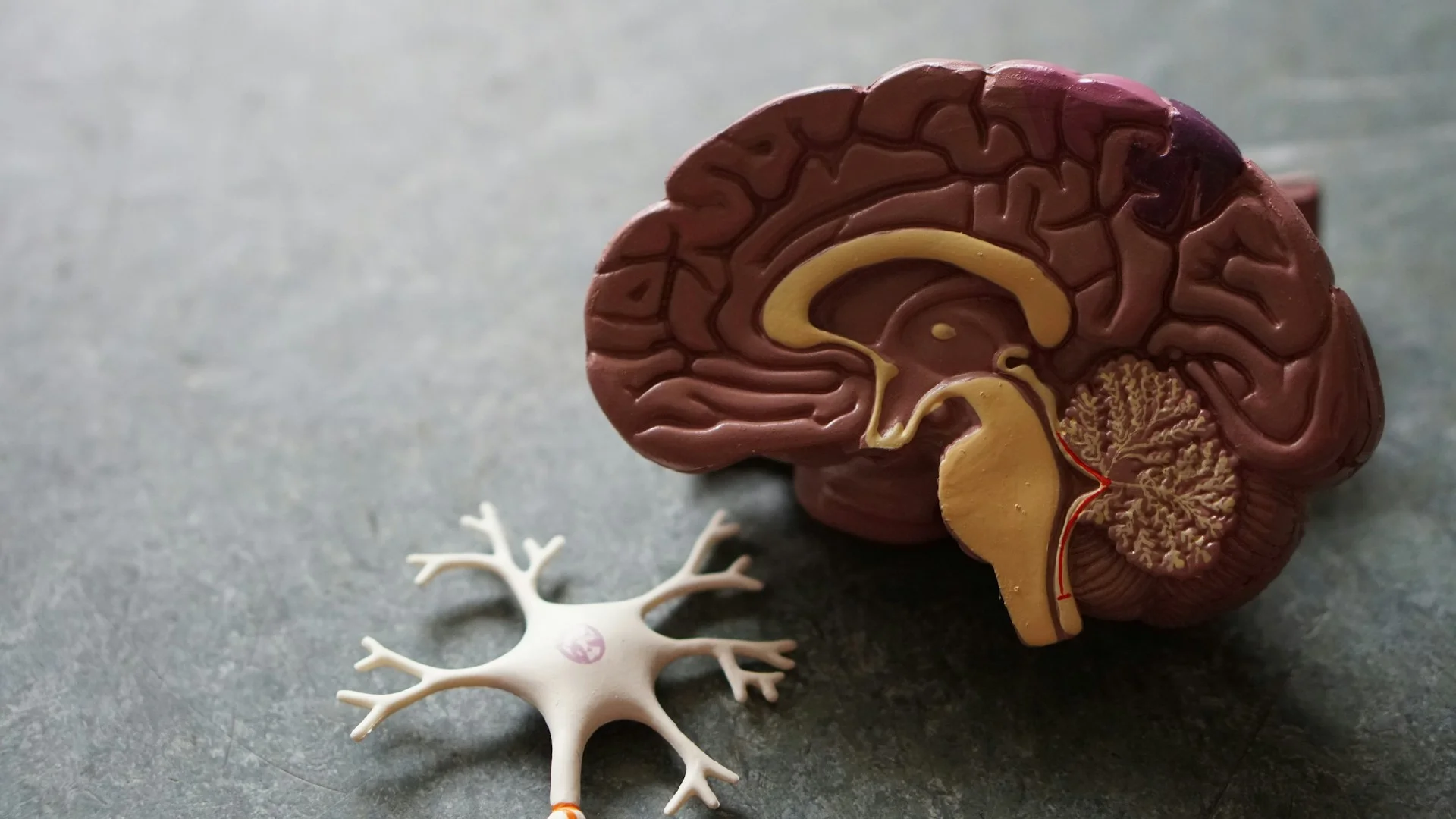
They identified two distinct groups of cells, with one destined to become the fore and mid and another committed to becoming the hind.
The two groups followed separate developmental paths and had fundamentally different ways of packaging their DNA, meaning they were effectively locked into their own destinies.
That helps explain why researchers have struggled for years to create certain types of brain cells in the lab.
One system keeps us alive while the other lets us think
The two parts also have very different jobs.
The hindbrain, located toward the back and base of the skull, controls many of the automatic processes that keep us alive, including breathing, heart rate and sleep.
It also contains neurons involved in controlling muscles used for functions such as swallowing and facial movement.
Meanwhile, the forebrain and midbrain are involved in higher-level functions including language, consciousness, logic and abstract reasoning.
Despite having such different origins, the two systems work together so seamlessly that we experience them as one brain.
The researchers believe this unusual arrangement could have extremely ancient roots.
They found evidence of the same two-part developmental pattern in several animals, including chickens, zebrafish, and acorn worms, suggesting the system may date back more than 500 million years.
The discovery could change how brain diseases are studied
Perhaps the most exciting part of the brain research is what scientists can now do with this information.
Once the researchers understood that the hindbrain develops from a separate type of progenitor cell, they were able to use human stem cells to grow functional hindbrain motor neurons in the laboratory.
That could give researchers a new way to study conditions such as amyotrophic lateral sclerosis (ALS) and spinal muscular atrophy (SMA), which affect motor neurons in your head and nervous system.
Until now, producing these specific hindbrain neurons in a dish has been extremely difficult, making it harder to investigate what goes wrong in diseases affecting them.
The researchers hope their work will eventually help scientists understand these conditions better and potentially contribute to the development of new treatments.
It also gives us a very different picture of our brains: rather than a single, perfectly unified organ from the very beginning, the research suggests the human brain may be the result of two ancient nervous systems brought together by evolution, working as a team ever since.
Which is quite nice to think about.