Man solo-mining Bitcoin with $150 device makes $200,000 in 'lottery moment'


Against almost impossible odds, one solo-mining Bitcoin enthusiast turned a tiny $150 mining device into a life-changing payday worth around $200,000.
The hobbyist miner managed to solve a Bitcoin block using a tiny, low-cost machine that costs less than many video game consoles.
The incredible win earned the miner more than 3.1 BTC, worth around $200,000 at the time.
While the odds of repeating the amazing situation are incredibly tiny, the story has reignited interest in solo Bitcoin mining.
Man solo-mining Bitcoin has a ‘lottery moment’
Bitcoin mining is the process of using computers to verify Bitcoin transactions, with successful miners earning new Bitcoins as a reward.
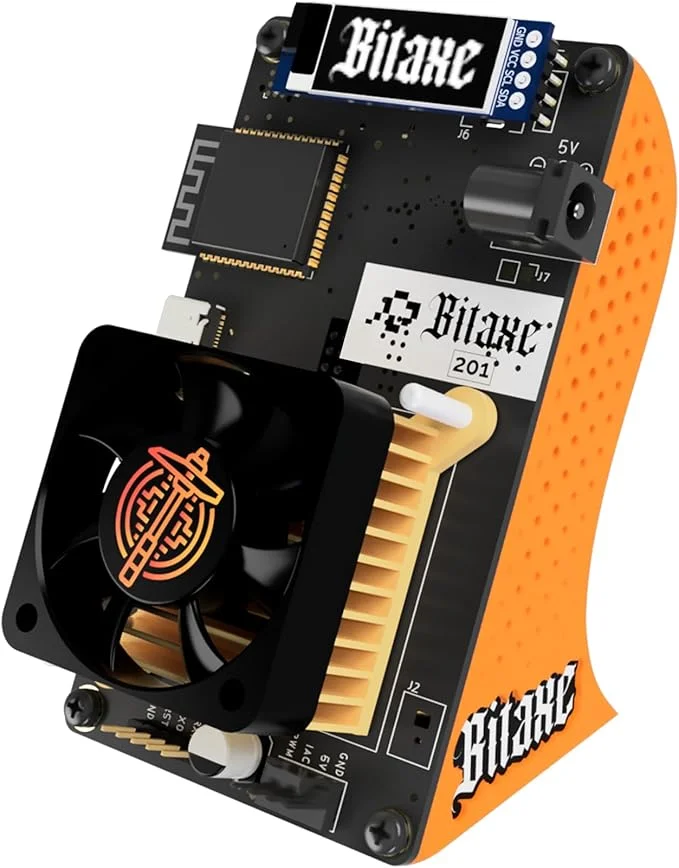
The anonymous crypto miner was using a Bitaxe, an open-source Bitcoin mining device that typically costs between $60 and $150.
Unlike the huge industrial mining farms that dominate the Bitcoin world, the Bitaxe is a compact, credit card-sized machine designed for solo hobbyists.
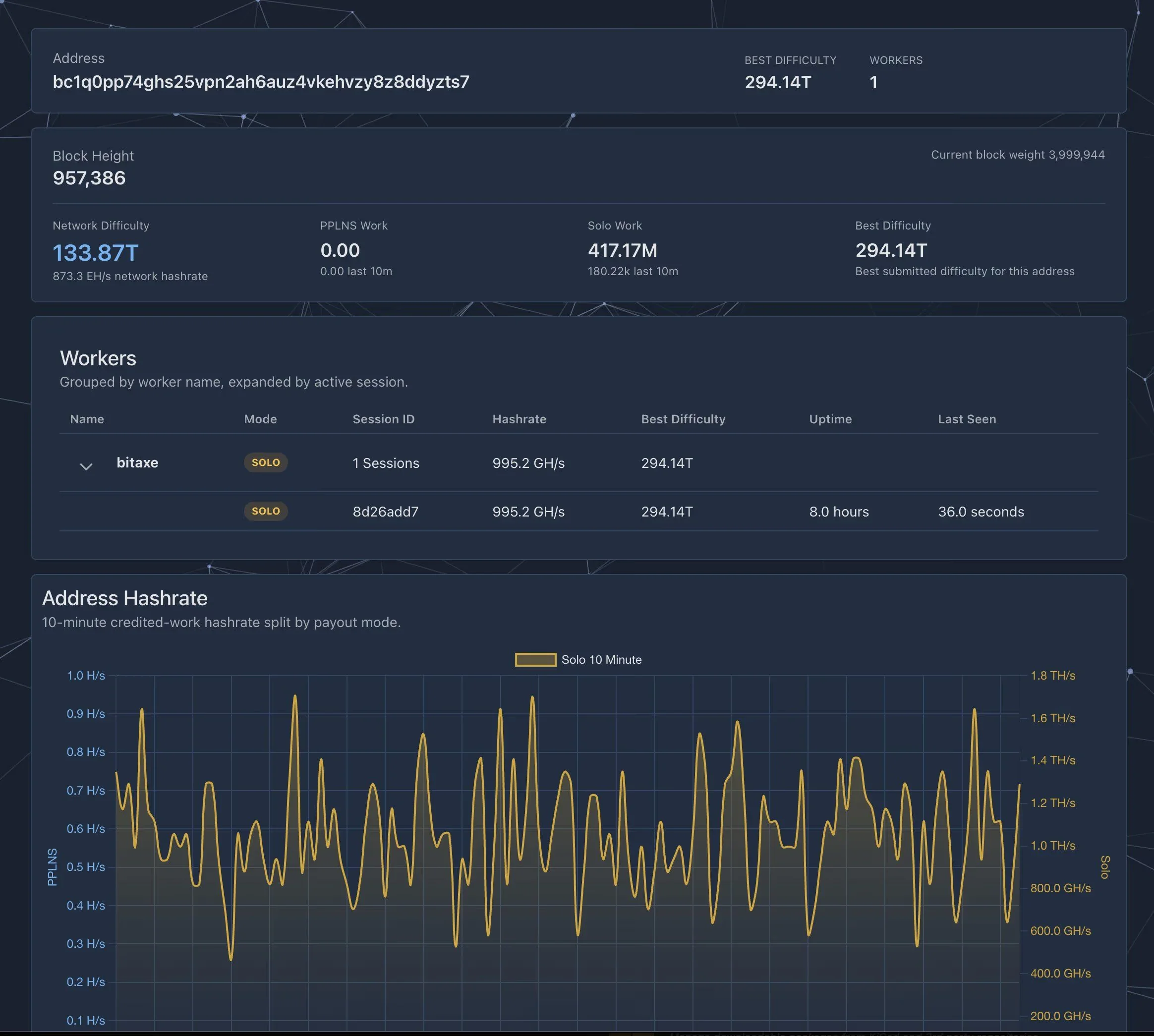
The miner connected the device to Public Pool, a solo mining service, and ran it for around eight hours before striking gold – or rather, cryptocurrency.
During that short period, the tiny machine successfully mined the crypto block 957,382, earning a reward of 3.1382 BTC.
The machine uses the same Bitmain BM1370 chip found inside the much larger Antminer S21 mining rigs which are very succesful, although the Bitaxe works on a vastly smaller scale.
Despite that, experts estimate the chances of a device like this finding a block are roughly equivalent to winning the lottery.
One comparison by Coindesk suggested a miner operating at this level would statistically be expected to solve a block only once every 18,000 years, making this success an extraordinary stroke of luck.
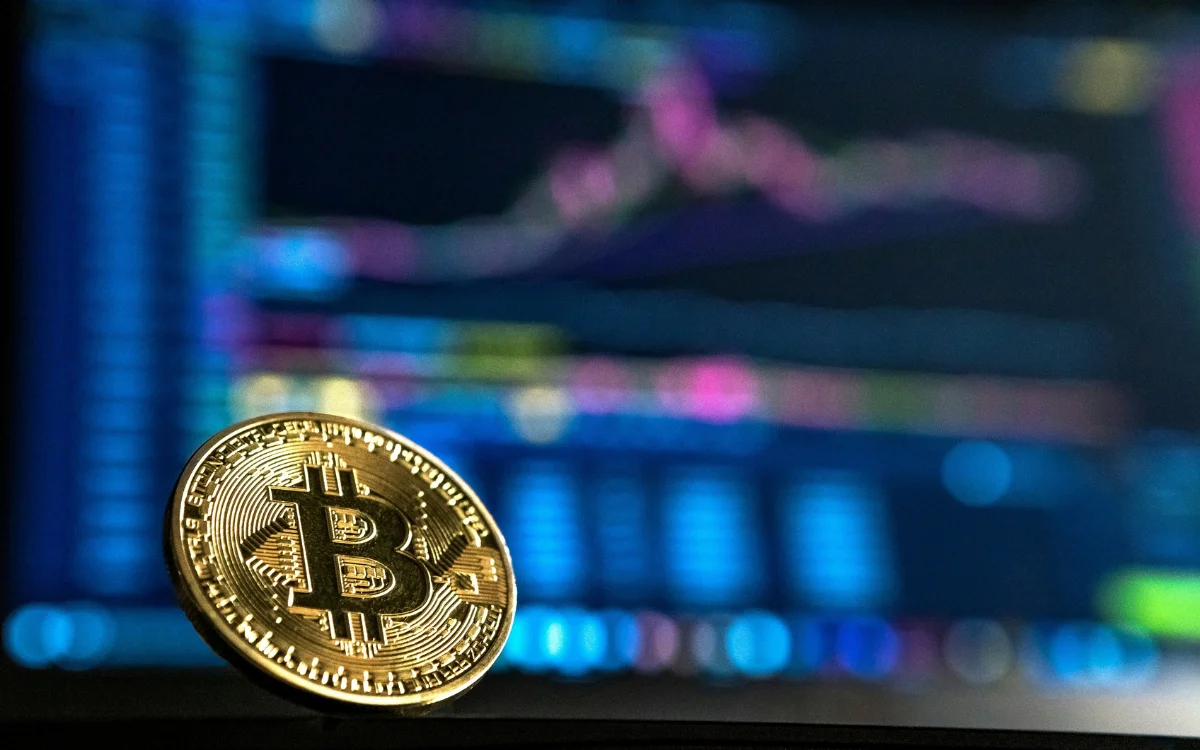
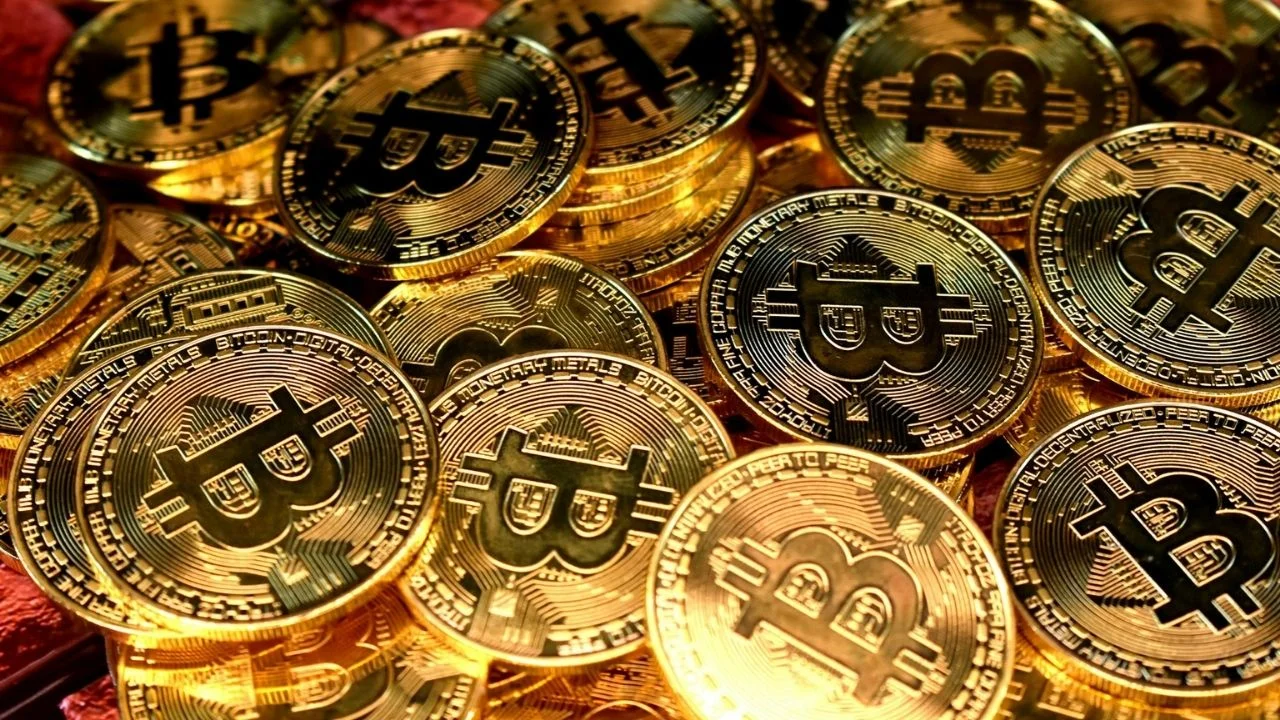
The $150 device beat all the odds
Bitcoin mining has become increasingly dominated by enormous warehouses packed with specialized computers working together to secure the crypto coin.
Most individual miners instead join mining pools, where rewards are shared among thousands of participants to provide more consistent payouts.
Solo mining works very differently.
If a miner successfully discovers a block, they keep the entire reward themselves of the dwindling Bitcoin reserves– but the chances of doing so are incredibly small.
Interestingly, solo-mining has had a little revival.
The Coindesk report said that 24 solo-mined Bitcoin blocks have been discovered over the past 12 months, representing a 41 percent increase compared to the previous year.
While those numbers remain tiny compared to the thousands of blocks mined by industrial operations, stories like this continue to capture the imagination of crypto enthusiasts.
For most people, buying a $150 Bitcoin miner is unlikely to produce an amazing payday.
But every so often, someone beats the odds, proving that even the smallest machine can occasionally deliver one of the biggest wins in cryptocurrency.
A history of Bitcoin
October 2008: Satoshi Nakamoto publishes the Bitcoin: A Peer-to-Peer Electronic Cash System white paper, outlining a decentralized digital currency.
January 2009: The Bitcoin network launches with the mining of the Genesis Block (Block 0), and the first Bitcoin software is released.
January 2009: The first Bitcoin transaction takes place.
May 2010: Programmer Laszlo Hanyecz purchases two pizzas for 10,000 BTC, marking the first widely recognized real-world Bitcoin transaction.
February 2011: Bitcoin reaches parity with the U.S. dollar for the first time, with 1 BTC trading at approximately $1.
November 2012: Bitcoin undergoes its first halving, reducing the mining reward from 50 BTC to 25 BTC per block.
February 2014: Mt. Gox Bitcoin exchange collapses after announcing the loss of approximately 850,000 BTC, triggering one of the industry’s biggest crises.
July 2016: Bitcoin’s second halving reduces the block reward from 25 BTC to 12.5 BTC.
December 2017: Bitcoin reaches nearly $20,000 for the first time amid a historic bull market, while Bitcoin futures begin trading on major U.S. exchanges.
May 2020: Bitcoin’s third halving reduces the mining reward from 12.5 BTC to 6.25 BTC.
September 2021: El Salvador becomes the first country to adopt Bitcoin as legal tender.
November 2021: Bitcoin reaches a new all-time high of approximately $69,000.
January 2024: The U.S. Securities and Exchange Commission approves the first spot Bitcoin exchange-traded funds (ETFs) in the United States.
April 2024: Bitcoin’s fourth halving reduces the mining reward from 6.25 BTC to 3.125 BTC per block.
December 2024: Bitcoin surpasses $100,000 for the first time, driven by growing institutional adoption and strong demand for spot Bitcoin ETFs.
2025: Bitcoin sets successive new all-time highs above $100,000 as institutional investment, corporate treasury adoption, and supportive U.S. regulatory developments continue to strengthen the market.