Patents show the wild products that tech companies are making now that you have no idea about

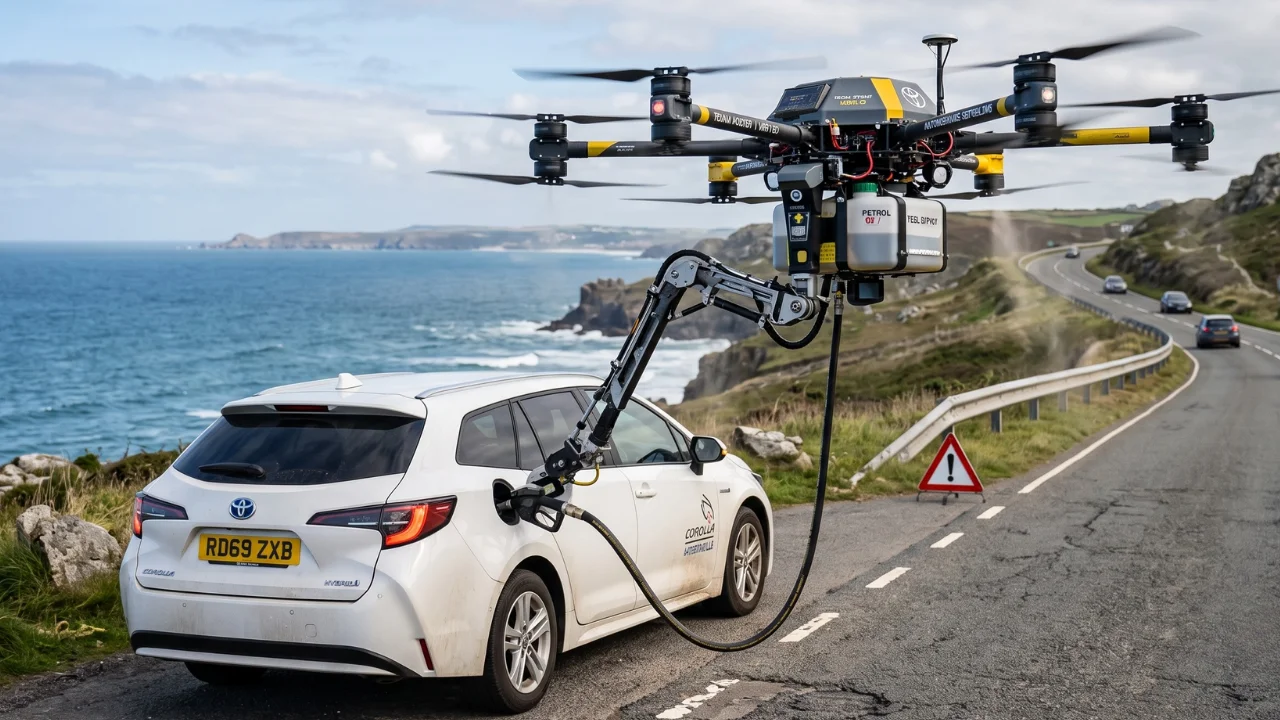

Tech companies are constantly buying patents for bizarre ideas that could completely change the way we use technology.
From a tattoo that doubles as a microphone to a drone that could fly over and refuel your car, some of these concepts sound more like science fiction than reality.
Patents don’t necessarily mean these products will ever reach store shelves, but they offer a fascinating glimpse into what companies are exploring behind the scenes.
Here are 10 of the wildest examples that have been patented or reported in development.
1. Motorola throat tattoo
Motorola Mobility patented a futuristic electronic skin tattoo designed to sit on the throat, with an embedded microphone that could pick up vibrations and wirelessly transmit audio to a mobile device.
The application was ultimately abandoned so that you won’t be buying a Motorola throat tattoo anytime soon, but the idea of turning your skin into a microphone is certainly a tiny bit creepy.
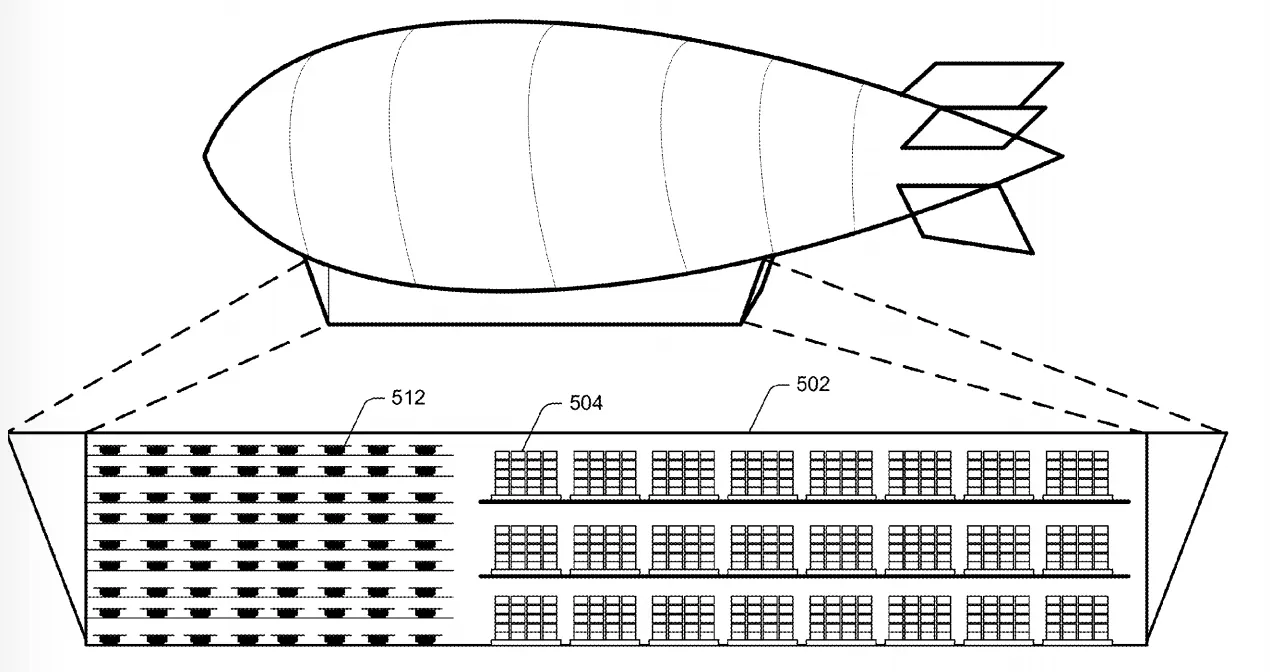
2. Amazon’s flying warehouse
Amazon’s airborne fulfillment center patent describes a giant warehouse operating at around 45,000 feet, with unmanned aerial vehicles released from it to deliver packages to customers.
The patent also envisages smaller airships resupplying the flying warehouse, although that doesn’t mean Amazon is about to start floating warehouses over your neighborhood, although the company is known for it’s tech-forward approach.
3. Disney patented a virtual world without a headset
Disney has always been on the cutting edge of VR with early DisneyQuest locations, but now its patented a ‘virtual-world simulator’ designed to create personalized computer-generated experiences within physical venues without requiring visitors to wear traditional VR headsets.
The technology could potentially transform places such as theme parks into immersive environments where digital elements appear around visitors as they move through the real world.
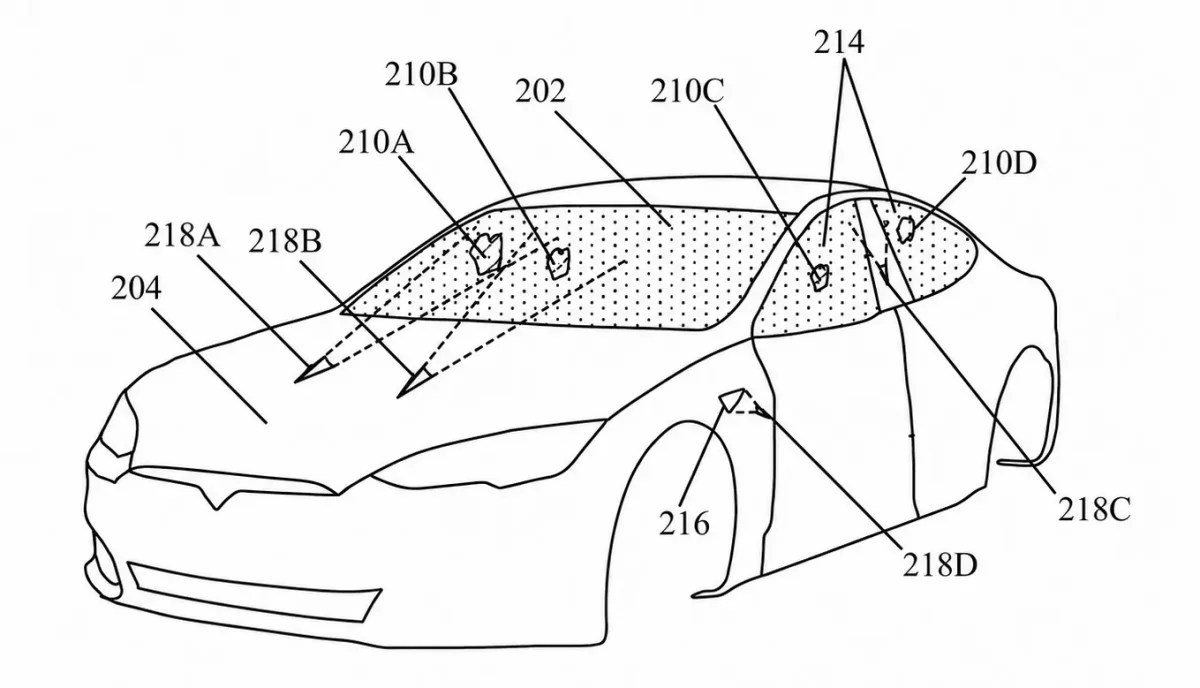
4. Tesla’s windshield-cleaning lasers
Tesla patented a system that uses pulsed laser beams to remove debris from vehicle glass, with the patent specifically mentioning windshields, camera lenses, windows and mirrors.
Instead of relying entirely on conventional cleaning methods, the system could detect unwanted material and zap it away with laser pulses.
5. Apple patented a phone with a screen wrapped around it
Apple patented an electronic device featuring a flexible display that can wrap around its body, potentially putting screens across the front, sides and rear.
The patent doesn’t mean a wraparound iPhone is coming, but it shows Apple has explored what smartphones could look like without a traditional screen confined to one surface.
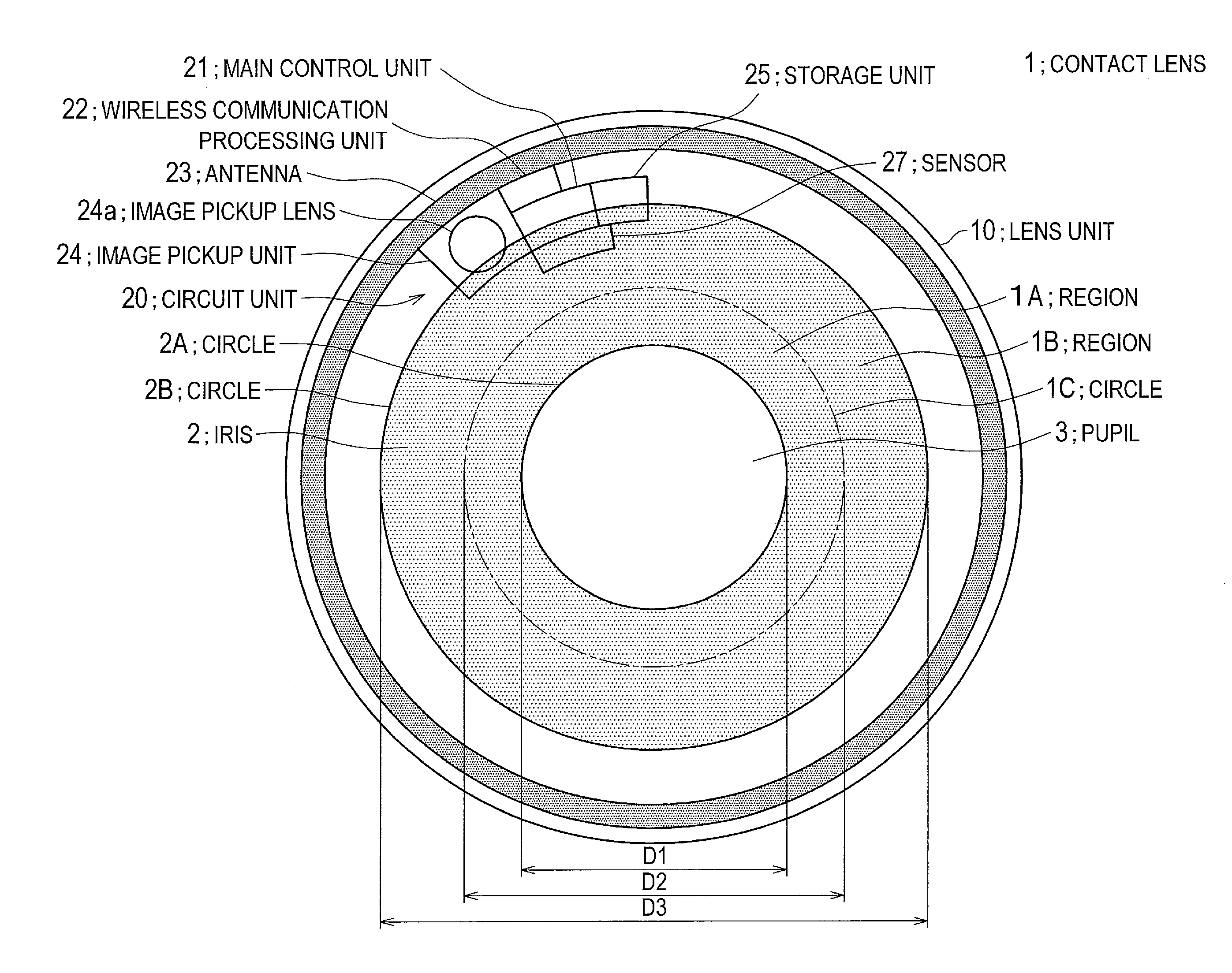
6. Sony contact lenses that can record what you see
Sony patented a contact lens containing an image pickup unit capable of capturing and recording images directly from the wearer’s field of view.
The patent also describes using eyelid movements as a possible way to control the system, meaning the camera could theoretically be operated without touching a device, it’s all very similar to that one Black Mirror episode, you know the one.
7. IBM patented a smartwatch that unfolds into a tablet
IBM patented a smartwatch that could unfold into a smartphone and then expand further into a tablet using multiple display panels.
In its largest configuration, the concept uses eight panels, meaning your tiny wrist computer could theoretically transform into a surprisingly huge screen.
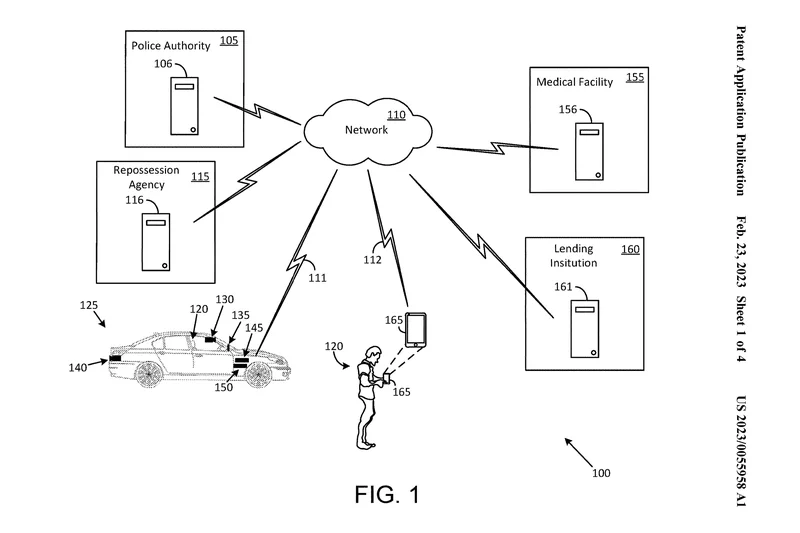
8. Ford patented a car that could repossess itself
Ford filed a patent application describing systems that could remotely restrict vehicles when owners fall behind on payments, with autonomous cars potentially able to drive themselves to a repossession location.
The application is listed as abandoned, so this isn’t proof that Ford is preparing to send unpaid cars driving back to dealerships, but the concept is undeniably dystopian.
9. Toyota has patents for a drone that can refuel your car
Toyota patented an autonomous drone designed to locate a vehicle that needs fuel, fly to it and transfer fuel from its onboard supply.
The patent is currently listed as active, although that doesn’t mean Toyota is preparing to launch a fleet of flying roadside-assistance robots anytime soon.
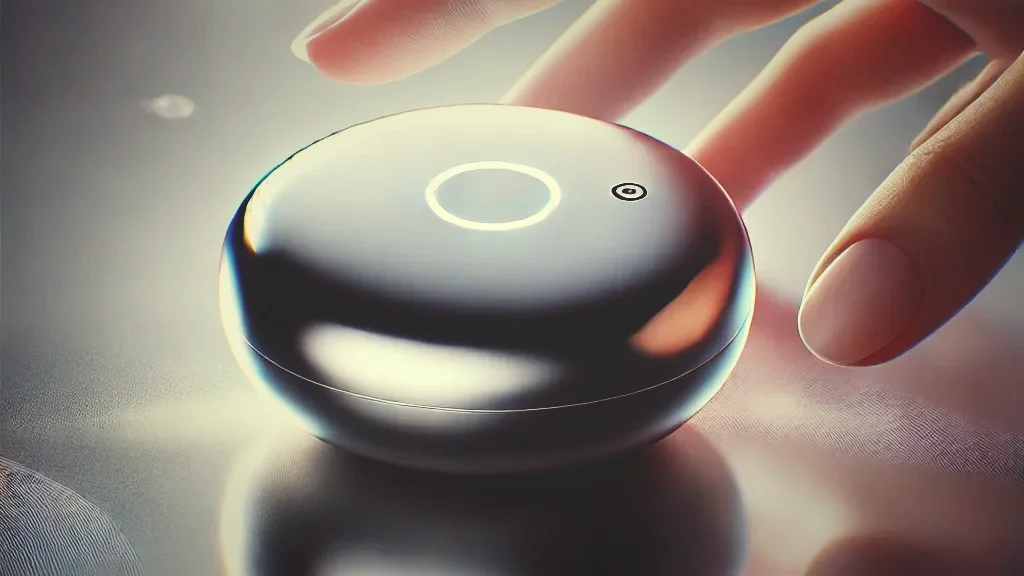
10. OpenAI is working on a screenless AI device
OpenAI is reportedly developing a portable, screen-free AI device that could use cameras, sensors and voice interaction to act as an AI companion and smart-home controller.
Unlike the other entries, this is based on reporting rather than a verified patent, but it points toward a future where interacting with AI doesn’t necessarily involve staring at another screen.
So there you have it.
Do you like these ideas or do they freak you out a tiny bit?