We could see the world's first $10 trillion company arrive in less than two years



A company worth $10 trillion once sounded like something that belonged in a sci-fi movie, but we could be getting surprisingly close to that milestone.
One company already has a market capitalization of around $5.3 trillion, thanks largely to the huge demand for the chips powering the artificial intelligence boom.
Now, one new analysis suggests the company could potentially double in value and become the world’s first $10 trillion company as early as 2028.
And the numbers behind the prediction are pretty wild.
The company sitting at the top
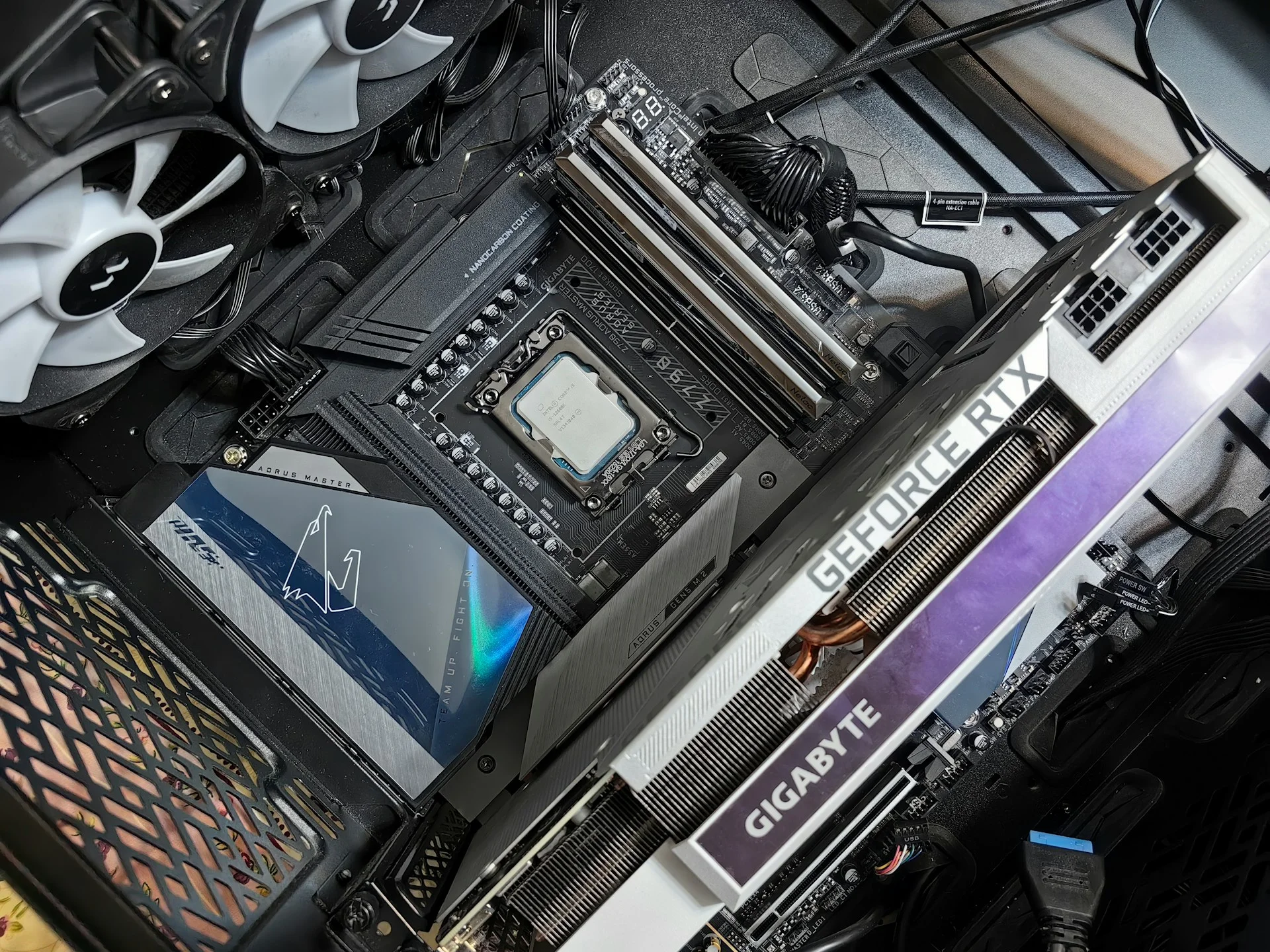
Nvidia has become one of the biggest winners of the AI revolution, with its graphics processing units, or GPUs, providing much of the computing power needed to train and run today’s AI systems.
The company’s chips are used across massive data centers, and demand has remained so strong that customers have been ordering computing equipment well ahead of when they actually need it.
That has given Nvidia unusually strong visibility into future demand.
According to The Motley Fool, Nvidia’s CFO Colette Kress said during the company’s fiscal 2027 second-quarter earnings call that the company was expecting 70 percent revenue growth for fiscal 2028, which ends in January 2028.
That’s a huge number for any company, let alone one already worth more than $5 trillion.
The math behind a $10 trillion Nvidia
The prediction becomes easier to understand when you look at the numbers.
Wall Street analysts expect Nvidia to generate around $411 billion in revenue in fiscal 2027.
If the company then achieved the 70 percent growth rate it has forecast for fiscal 2028, that would push annual revenue to nearly $700 billion.
The Motley Fool analysis then assumes Nvidia could convert around 60 percent of that revenue into net income, resulting in roughly $419 billion in profit.

At that point, Nvidia would not necessarily need an enormous valuation premium to reach the $10 trillion mark.
A $10 trillion market capitalization divided by approximately $419 billion in earnings works out at around 24 times earnings.
That’s roughly in line with the valuation multiple used for the S&P 500 in the analysis, meaning Nvidia could theoretically reach the milestone without investors having to value it at some extraordinary level.
Of course, that’s a projection rather than a guarantee.
Nvidia would need to maintain enormous growth while continuing to benefit from the world’s seemingly insatiable appetite for AI computing power.
Competition, changing AI technology, a slowdown in data center spending, or a shift in investor sentiment could all change the picture.
But if Nvidia delivers the growth it has projected, the world’s first $10 trillion company could arrive much sooner than many people might expect.
And with Nvidia already sitting at around $5.3 trillion, it would only need to roughly double from its current valuation to get there.