These are the battery innovations on the brink of happening that could change the world forever

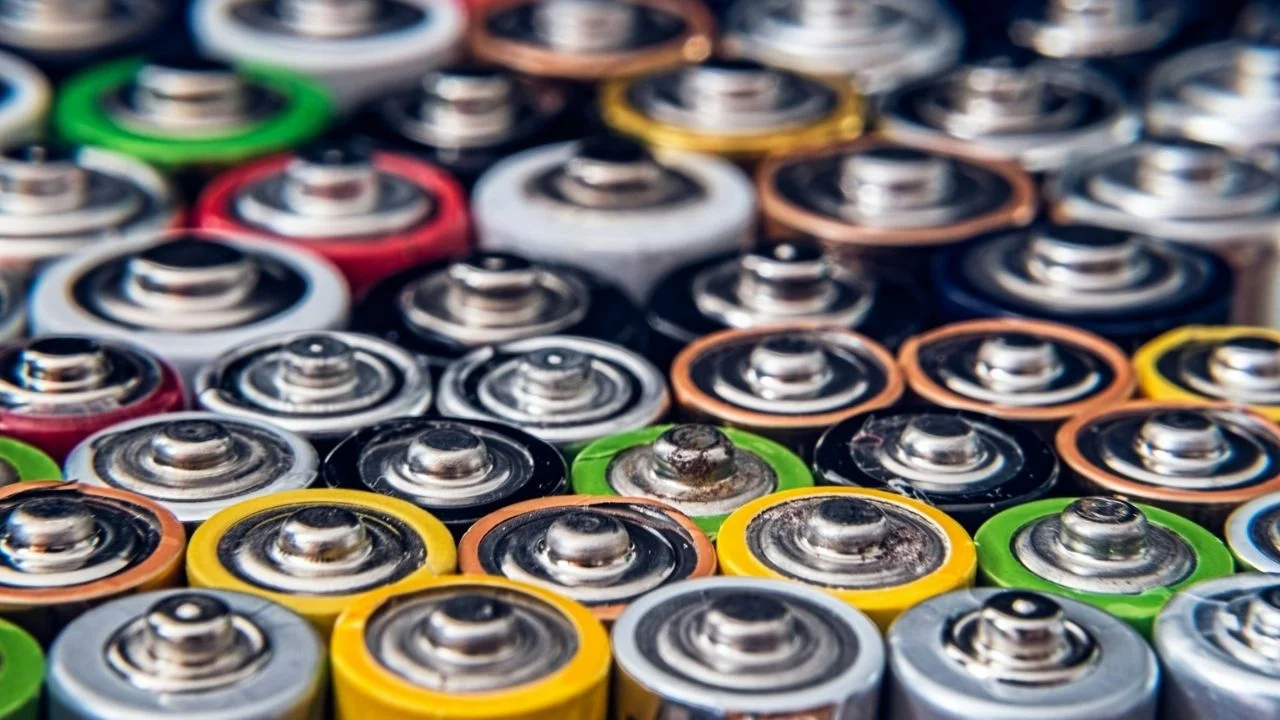

It’s hard to think of a part of modern life that doesn’t rely on batteries, but there are some battery innovations that are on the way that genuinely have the power to change the world.
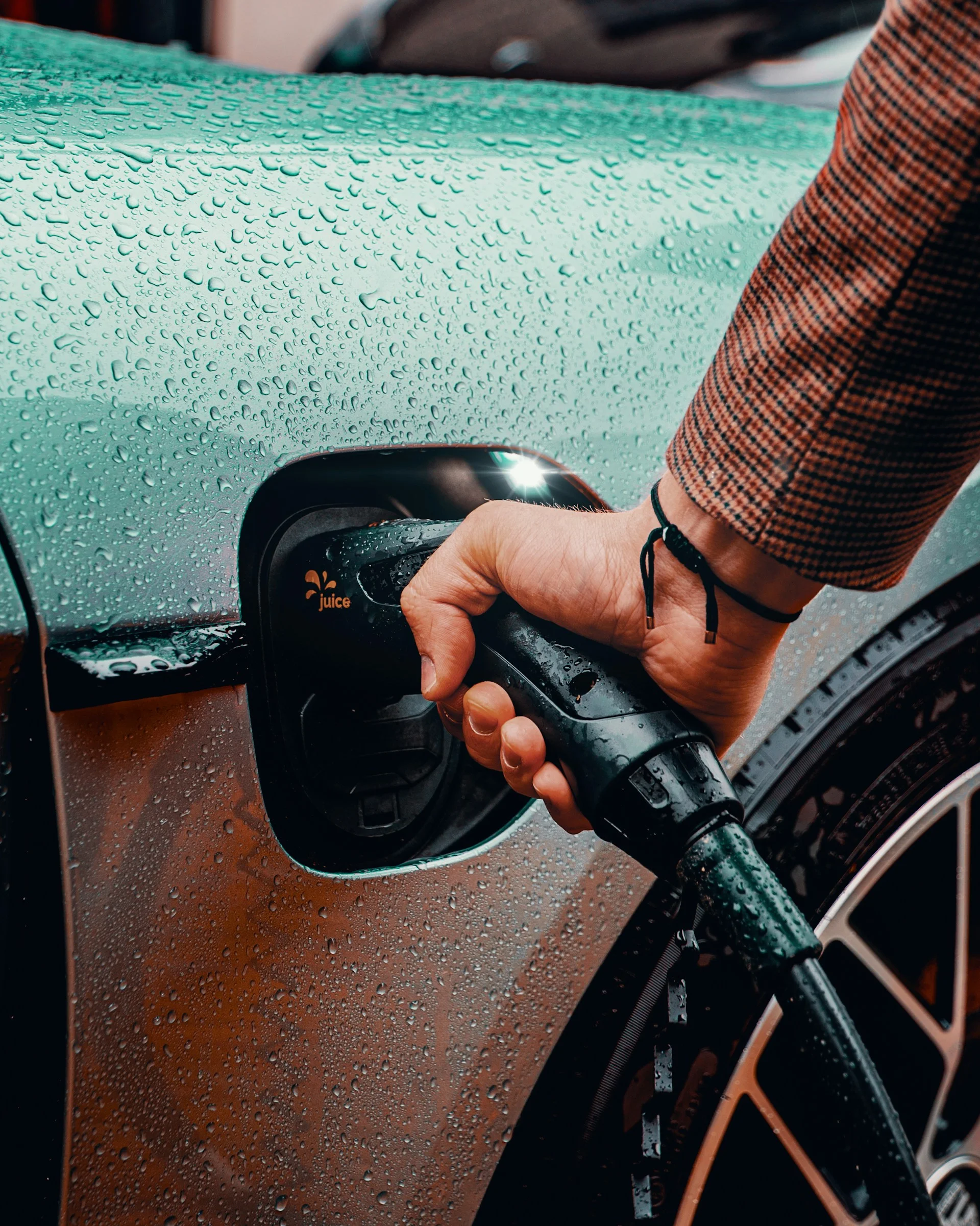
They power our phones, laptops, electric cars, and even help store renewable energy generated by wind and solar farms.
But while lithium-ion batteries have become the standard, scientists believe the next generation of battery technology could be dramatically better.
Several innovations are now moving from the lab toward real-world use, and some of them sound like something straight out of science fiction.
Solid-state batteries are on their way
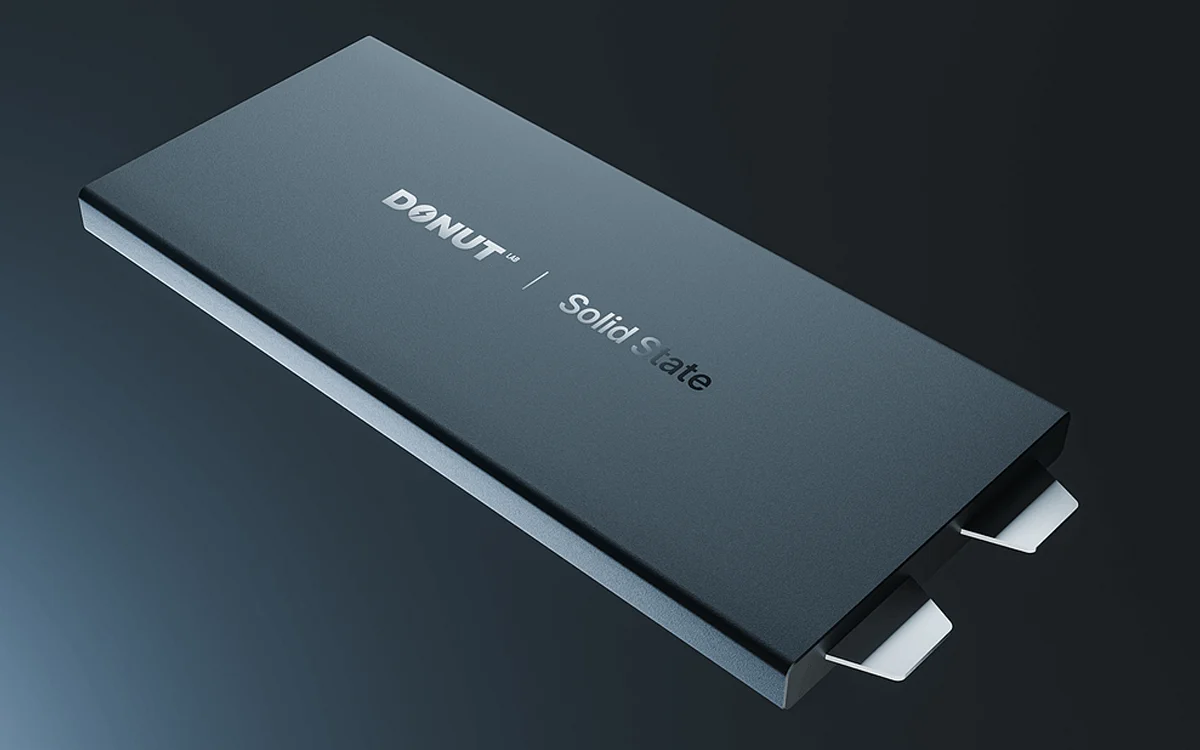
One of the most anticipated tech breakthroughs is the solid-state battery.
Unlike today’s batteries, which rely on liquid electrolytes, solid-state batteries use solid materials to move ions between electrodes.
The result could be batteries that are safer, longer-lasting, and capable of storing far more energy than current designs.
Several companies claim they are edging closer to mass production, raising hopes that the technology could soon appear in electric vehicles.
A Sodium-ion battery might be more your speed
Another development gaining momentum is the sodium-ion battery.
Instead of relying on lithium, these batteries use sodium, a material that is far cheaper and far more abundant.
While they don’t quite match lithium-ion batteries for energy density, they could become a game changer for affordable EVs and large-scale energy storage.
Some manufacturers have already started putting the technology into production vehicles.
Silicon-anodes are putting the silicon in Silicon Valley
Scientists are also working on silicon-anode batteries, which could dramatically increase the amount of energy a battery can hold.
In theory, replacing traditional graphite anodes with silicon could more than double battery capacity, potentially leading to electric cars that travel much further without increasing battery size or weight.
Some future batteries sound almost too wild to be real, like iron-air
Not every innovation is aimed at cars and gadgets.
Iron-air batteries, which essentially store and release energy through a reversible rusting process, are being developed as a low-cost way to store huge amounts of renewable energy for electricity grids.
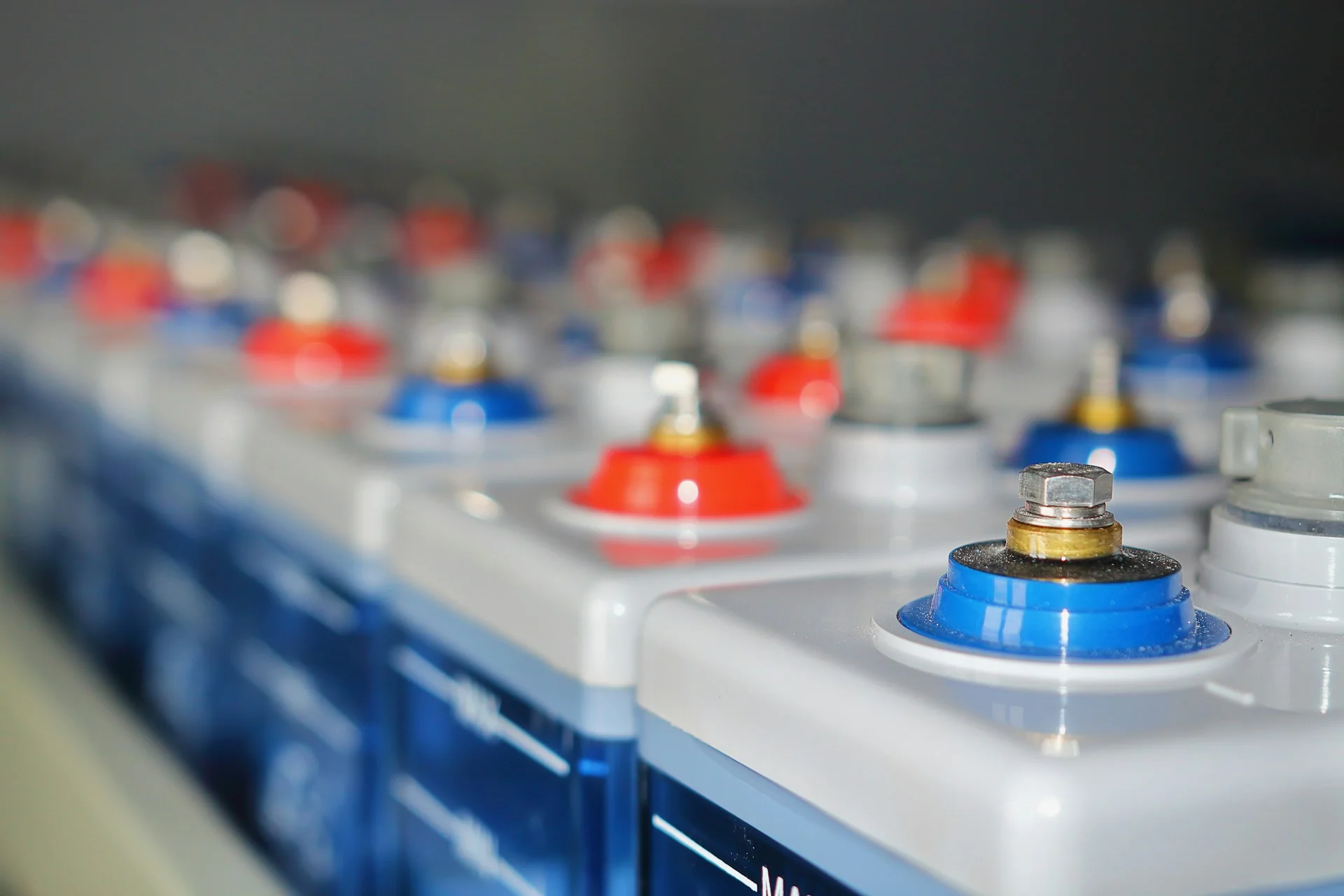
Meanwhile, flow batteries use tanks of liquid electrolytes and could one day make storing solar and wind power much easier on a massive scale.
Then there are the technologies that sound straight out of a sci-fi movie.
Researchers are developing structural batteries that could turn parts of a vehicle itself into an energy storage system.
Imagine an airplane wing or a car chassis doubling as a battery pack rather than simply carrying one around.
What if the building powered its own battery?
Scientists are even experimenting with energy-storing concrete that could allow entire buildings to store electricity.
Other projects include nuclear microbatteries that could power tiny devices for decades, graphene-enhanced batteries that promise ultra-fast charging, and gravity batteries that store energy by lifting enormous weights and releasing them when power is needed.
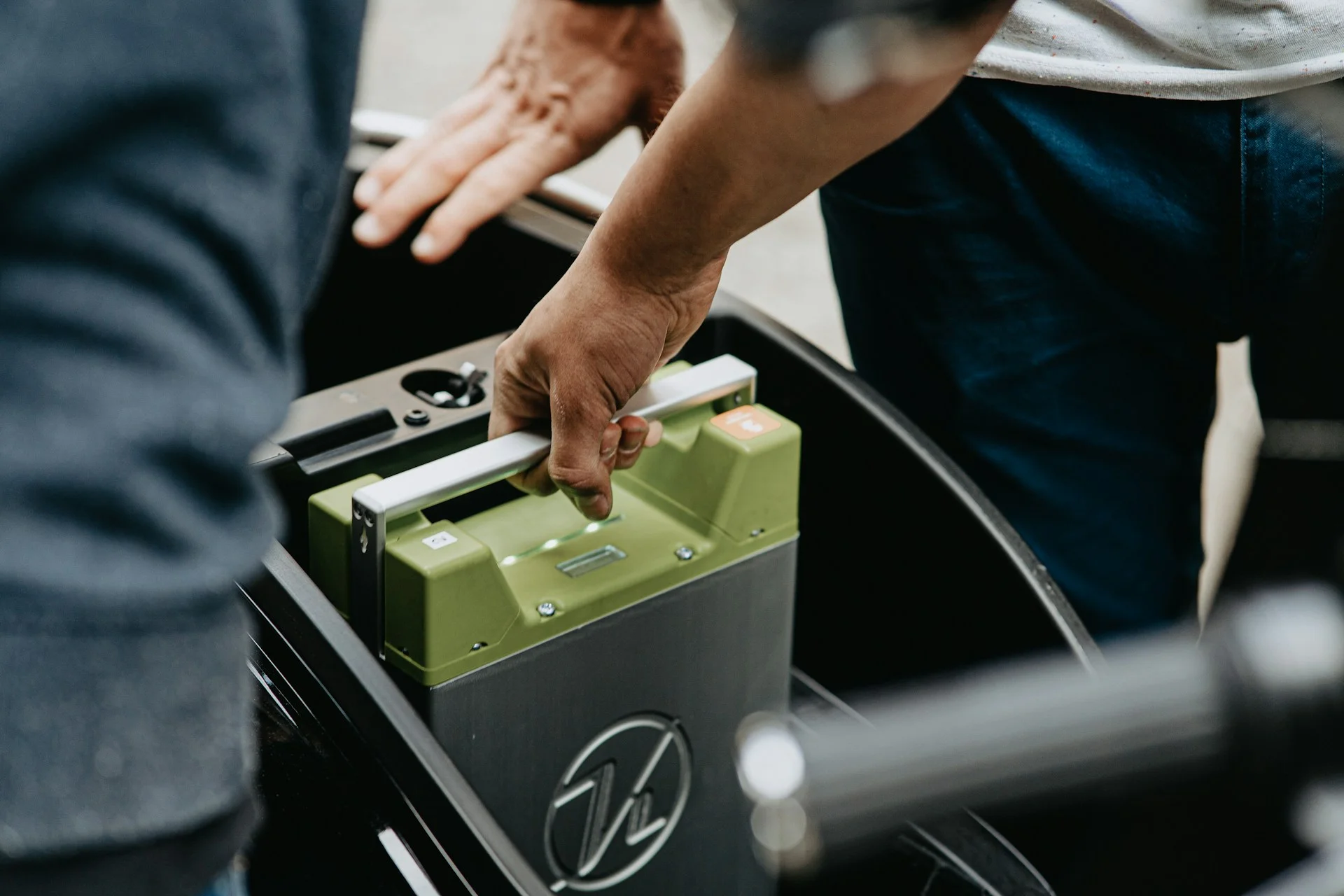
Most of these innovations are still emerging, but many are already entering testing or early commercial production.
If even a few of them succeed, the battery inside your phone or electric car could look hopelessly outdated within the next decade.