Neurable CEO says brain-tracking headphones could change how we work forever

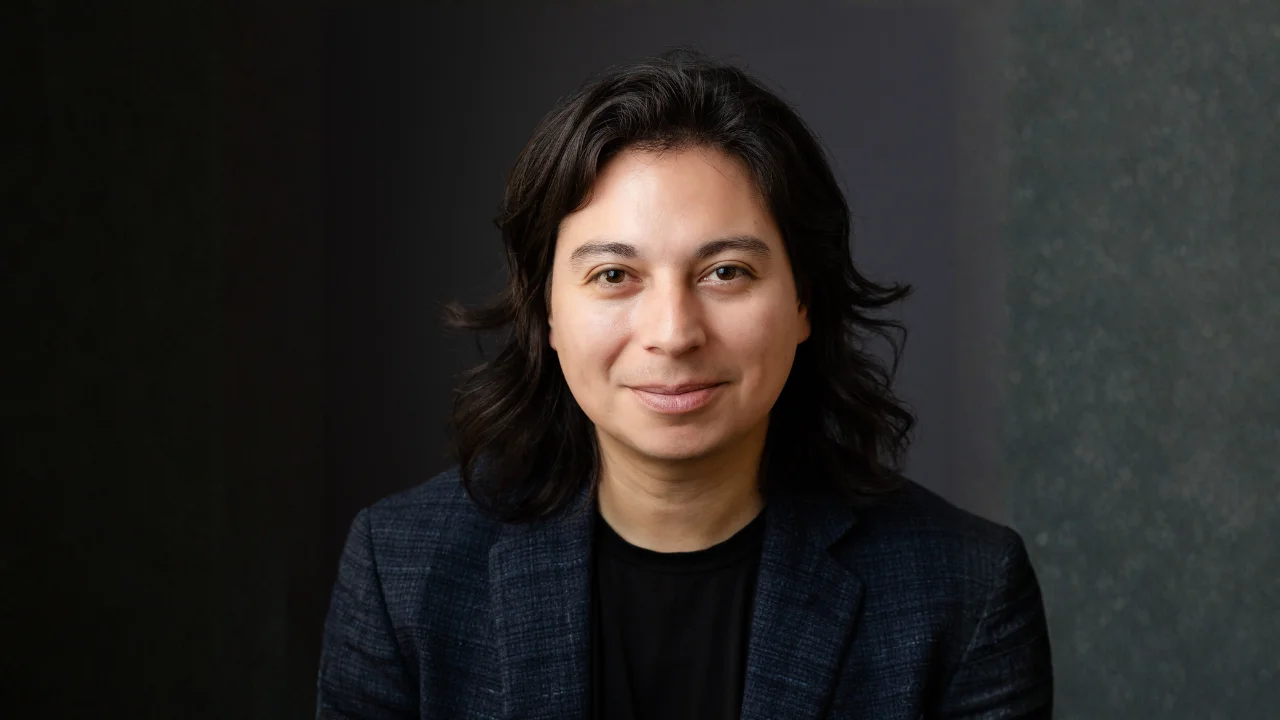

We’ve all had days where we stare at a screen for hours or read the same sentence five times – but according to Neurable’s CEO, the future of productivity could soon sit right on our heads in the form of brain-tracking headphones.
The company has created headphones that can monitor focus levels in real-time, detect burnout before you even notice it, and even tell you when it’s time to take a break.
This kind of technology will be a real game-changer and could help people in the office, as well as neurodivergent people or those with brain function issues.
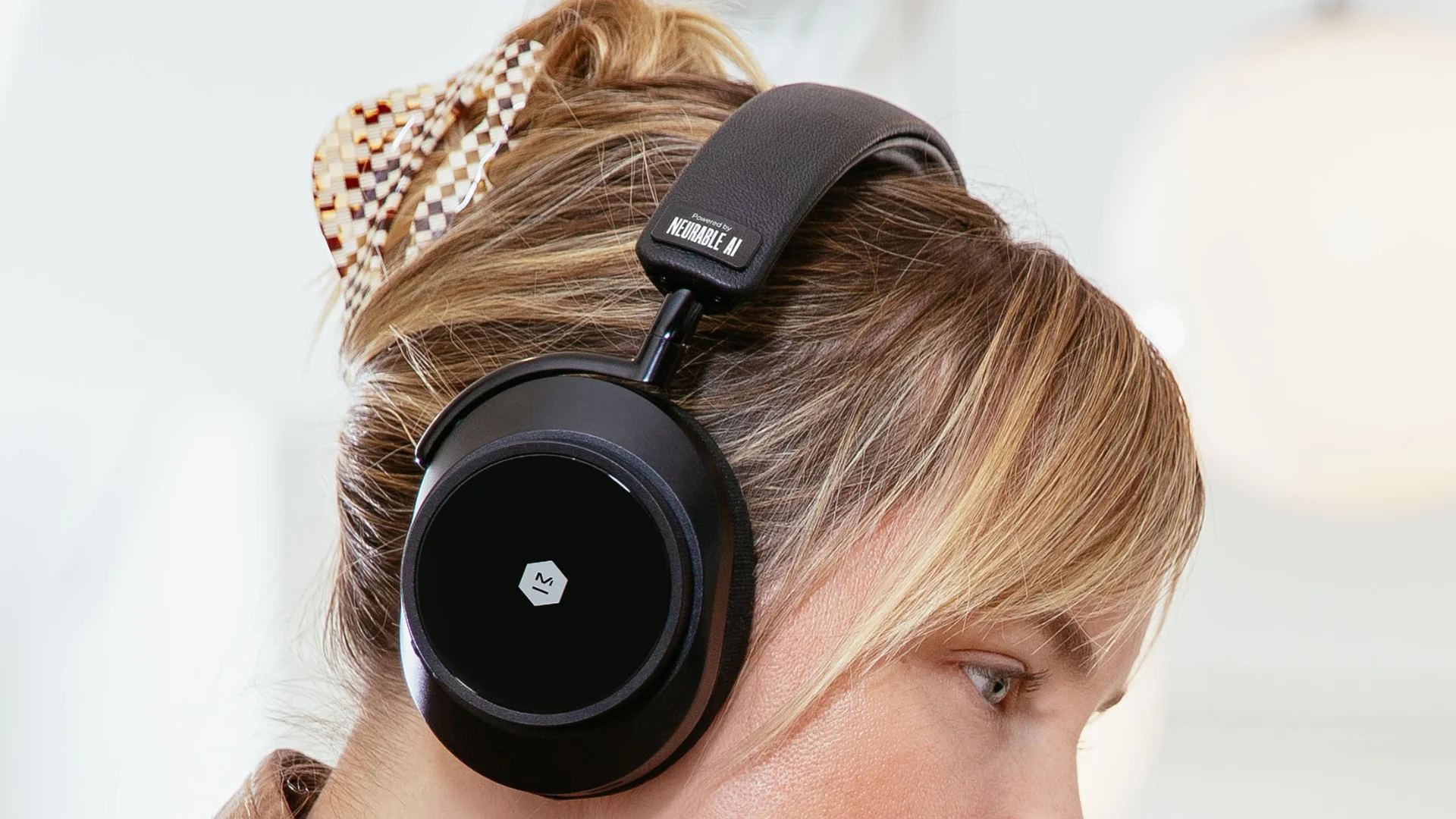
We wouldn’t be surprised to see the ‘powered by Neurable AI’ stamp on a lot of our favorite gadgets in the future.
These brain-tracking headphones can detect burnout before you feel it
Speaking to Supercar Blondie, tech CEO Ramses Alcaide explained that the company’s mission is to make brain health tracking as normal as tracking your steps with a smartwatch.
“The most important organ in your body is not being tracked, which is your brain,” he explained.
The headphones look just like a normal pair of premium noise-canceling headphones, but hidden inside are sensors that track focus, cognitive strain, mental recovery, and even something called ‘brain age’.
During a live demo, Alcaide showed us how the system could monitor his focus in real-time as a graph rose and fell depending on how concentrated he was.
According to him, the headphones can spot the moment your brain starts fatiguing long before you physically feel exhausted.
“If you don’t take a break, you slowly burn out and you don’t even notice,” he said.
The system then gives users what the company calls ‘brain-optimized feedback’, or BOF feedback, which can subtly alter audio or lower volume when it detects distraction.
The idea is to gently snap users back into focus before they completely zone out.
Alcaide is far from just another tech CEO, too.
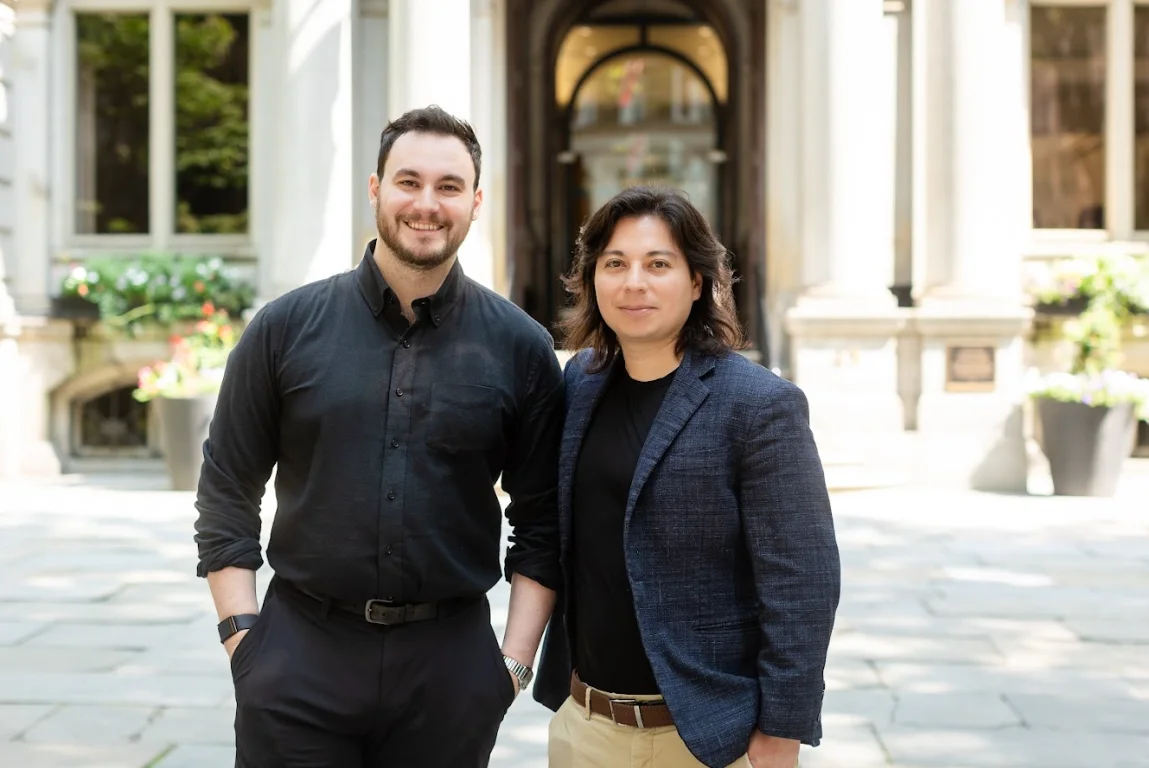
Before co-founding Neurable, he worked extensively on brain-computer interface technology for people with amputations, severe cerebral palsy, and ALS at the University of Michigan’s Direct Brain Interface Laboratory.
The neuroscientist has also led rehabilitation technology projects for stroke patients and has been recognized with awards including Forbes’ Next 1000 list, Medtech 35 Under 35, and multiple neuroscience innovation honors.
Neurable could eventually appear in cars, games, and everyday tech
Neurable says the neurotechnology is already being used in some pretty serious environments.
The company is currently working with the Department of Defense to integrate the sensors into hearing protection systems capable of detecting potential brain trauma from blast exposure in soldiers.
But consumer tech is where things get especially interesting.
Alcaide revealed that car companies have already approached Neurable about embedding the technology into car seats, while other partnerships could eventually see ‘Powered by Neurable AI’ appear inside mainstream consumer devices.
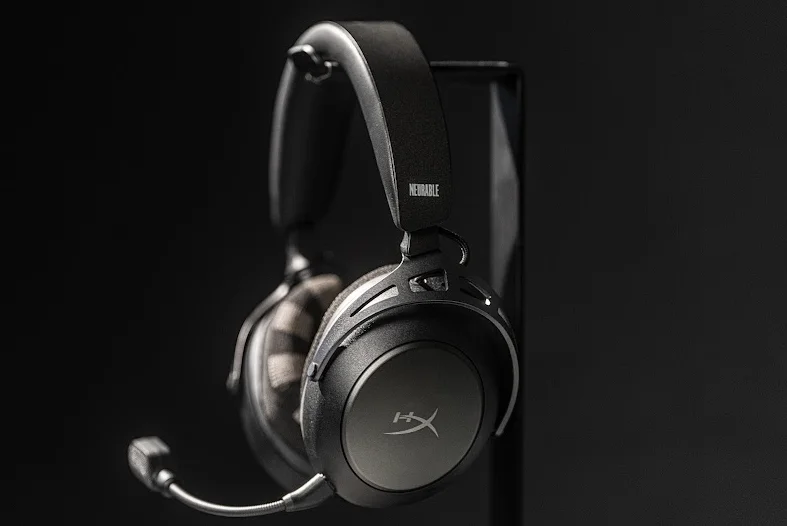
The CEO compared the company’s role to a software platform rather than a traditional hardware brand, explaining that Neurable could eventually license its brain-processing technology to huge companies rather than compete directly with them, even jokingly suggesting that Apple should get in touch.
And while some people may find the idea of brain-tracking headphones slightly terrifying, Alcaide insists the focus is entirely on personal use and privacy.
“The data is yours,” he said, “It’s not shared with employers or anybody else.”
The company also believes the technology could help people with ADHD, support children with special educational needs, improve workplace productivity, and even potentially help identify early neurological changes over time.
And according to Alcaide, this is only the beginning.
“This is the smallest we’ll ever be,” he said, “We’re just getting started.”