Scientists may finally have discovered Mars' missing atmosphere and water 3 billion years after it disappeared

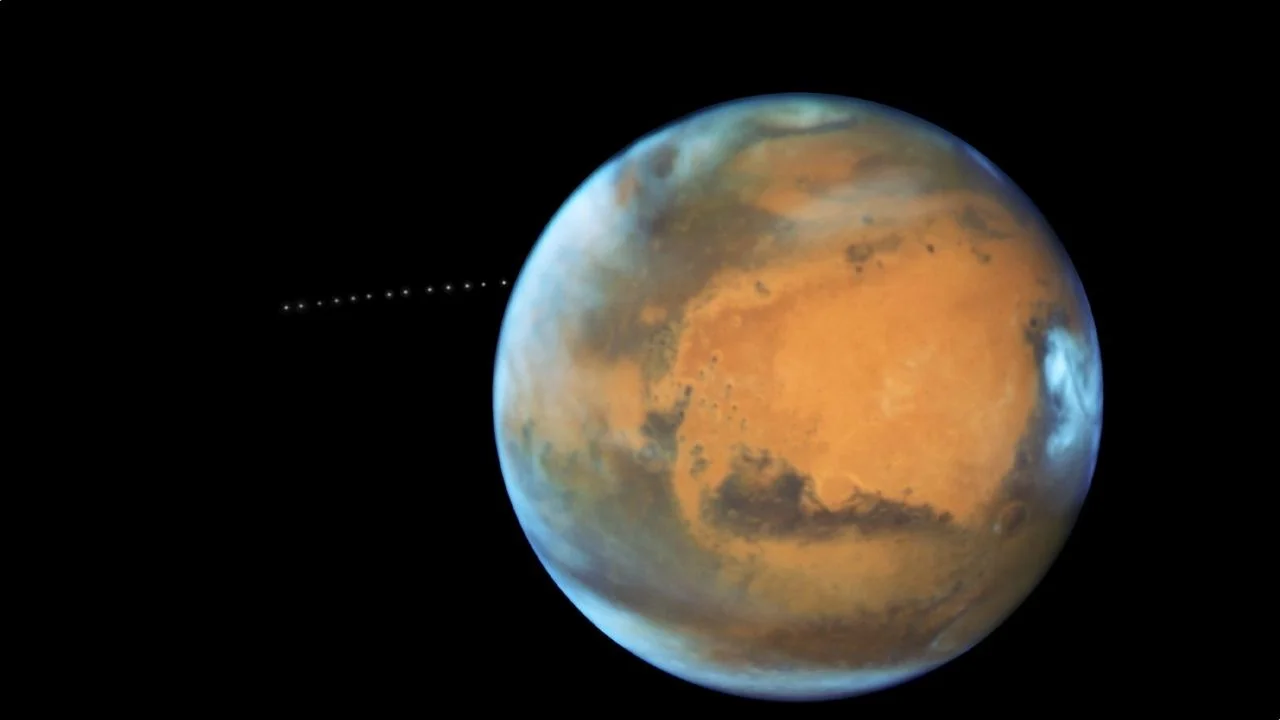

Mars’ atmosphere has puzzled scientists for decades after losing its thickness and vast amounts of water more than three billion years ago.
The Red Planet was once covered in rivers, lakes, and even oceans, but today it is a cold and dusty desert.
Now, researchers believe they may finally have solved one of the biggest mysteries in planetary science.
And the answer appears to have been hiding beneath Mars’ surface all along.
Where scientists think Mars’ missing atmosphere and water have been hiding
Today, Mars is a planet known for its barren landscape and incredibly thin atmosphere, but billions of years ago, the planet looked very different.
Scientists have long known that liquid water once flowed across the Martian surface after NASA’s Spirit and Opportunity rovers uncovered minerals and rock formations that could only have formed in the presence of water.
The bigger question was what happened to all of it.
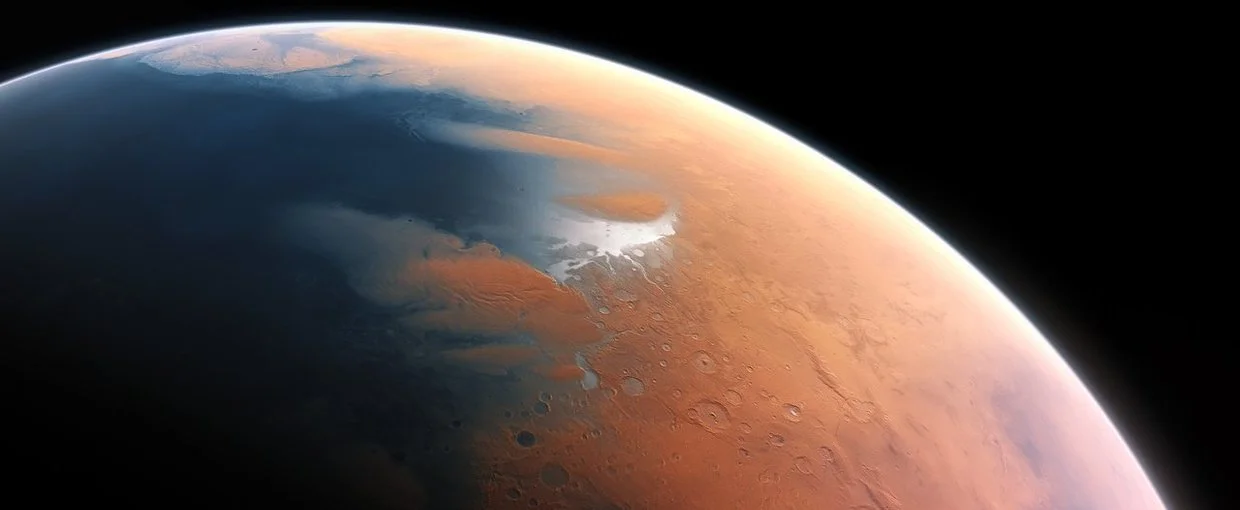
For years, the leading theory suggested that Mars gradually lost its atmosphere and water to space after its magnetic field weakened, allowing solar winds to strip away the planet’s protective blanket.
However, computer models showed that atmospheric escape alone could not account for all of the missing water or explain why so much carbon dioxide had vanished.
A breakthrough came in 2024 when scientists analyzed seismic data collected by NASA’s InSight lander.
The research suggested there could be a huge reservoir of liquid water trapped between cracks and pores in rocks located between seven and 13 miles beneath the surface.
Researchers estimate the underground water could be enough to cover the entire planet in an ocean between one and two kilometers deep.
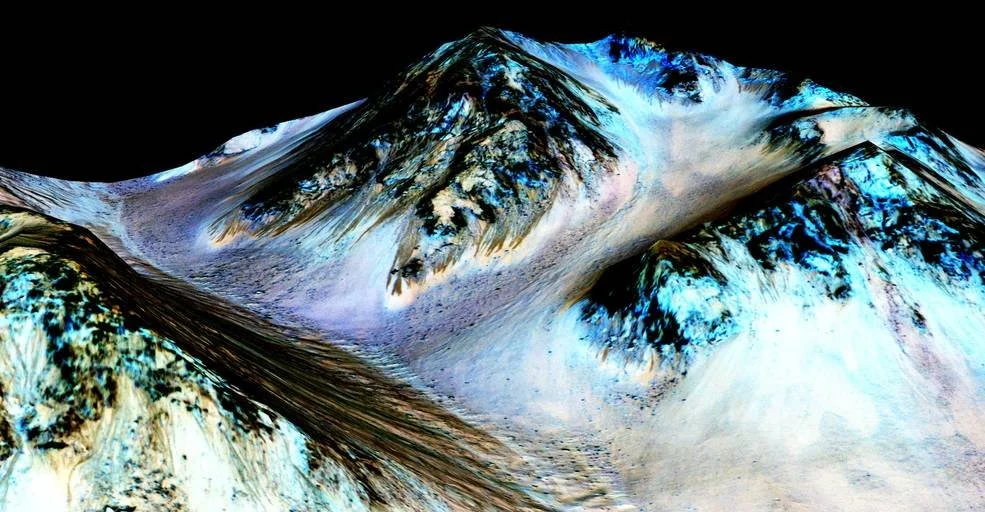
The answer has been trapped in clay for billions of years
Just a month after the underground water discovery, another team of scientists may have found where much of Mars’ missing atmosphere ended up.
Researchers from MIT focused on a type of clay mineral called smectite, which is found across large areas of the Martian surface.
On Earth, smectite can trap carbon-containing molecules for billions of years.
The team believes water once seeped through Mars’ iron-rich volcanic rocks, triggering chemical reactions that gradually transformed the rocks into smectite clay.
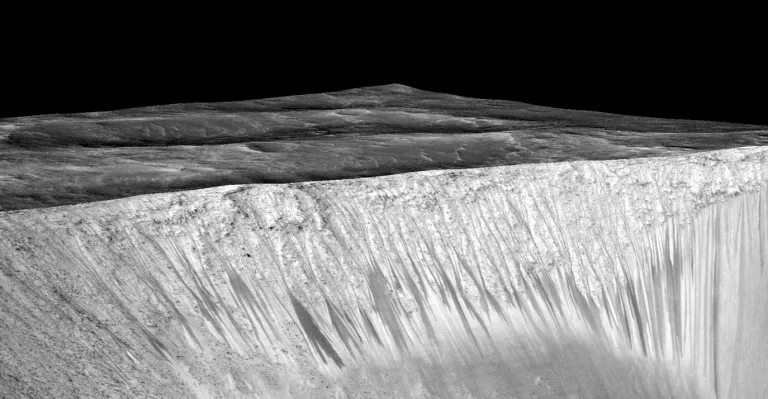
As this process unfolded, carbon dioxide from the atmosphere may have become locked away underground.
According to the study, a global layer of smectite roughly 1,100 meters thick could potentially store around 80 percent of Mars’ missing carbon dioxide atmosphere.
If confirmed, it would mean both the planet’s lost water and much of its vanished atmosphere have been sitting beneath the surface for billions of years.
The findings could dramatically reshape our understanding of how Mars evolved from a potentially habitable world into the dry and dusty planet we see today.