Scientists have looked into which swiping actions on your phone are most tiring and there's some interesting results

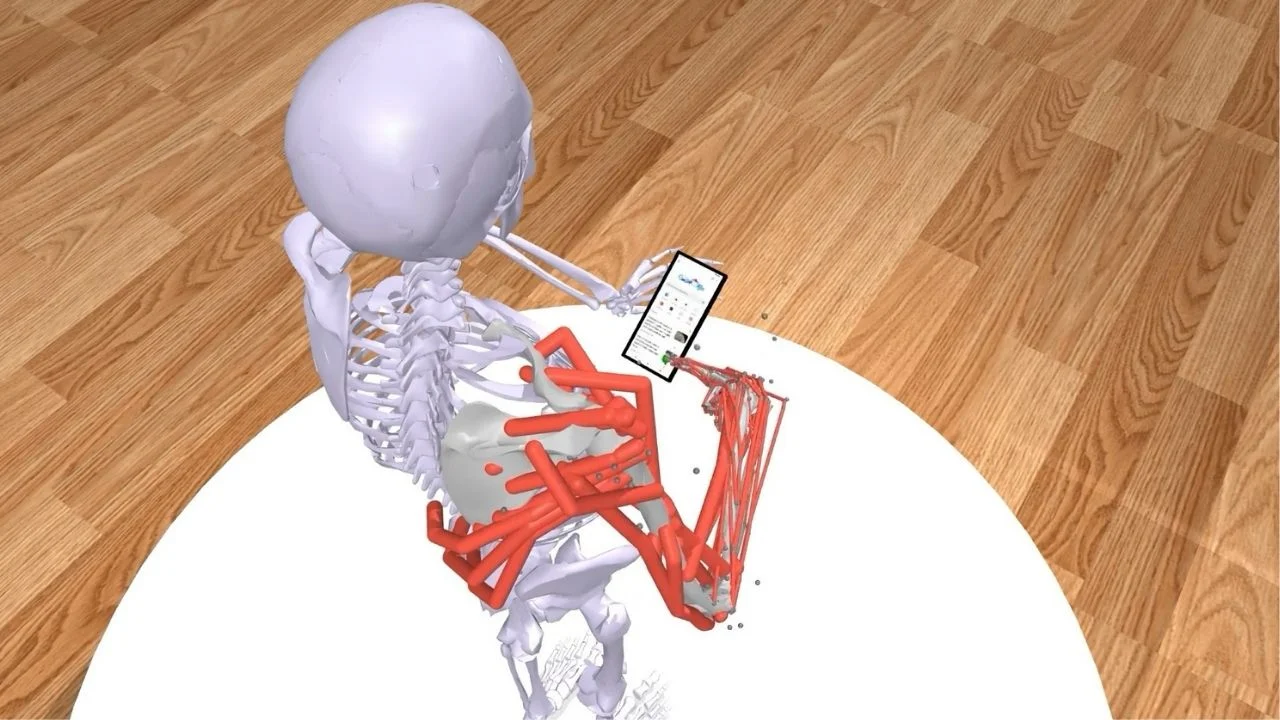

You probably never stop to think about how hard your thumb is working, but scientists have now looked into which swiping actions cause the most fatigue when using your phone
A new study found that some of the gestures we repeat all day demand far more effort than others, even if they feel completely normal in the moment.
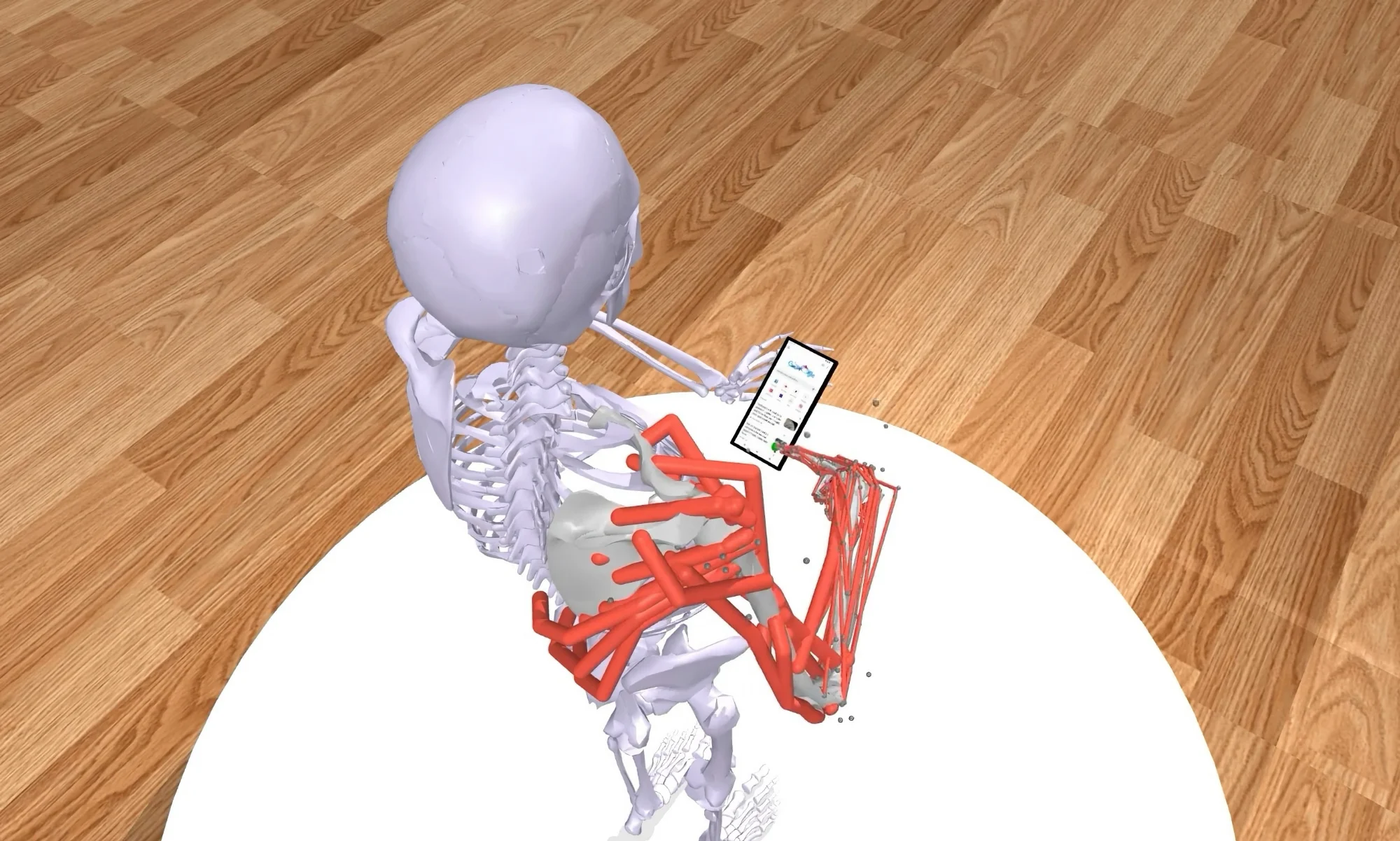
Researchers used AI-powered modeling to simulate finger movement, muscle strain, and hand motion during everyday smartphone use.
And it turns out your scrolling sessions might be giving your hand more of a workout than you realized.
Which swiping actions on your phone are most tiring?
The study from Aalto and Leipzig Universities found that when it came to looking at gadget usage, vertical swipes, especially up-down and down-up motions, were among the most tiring gestures tested.
That’s bad news for anyone who spends hours flicking through TikTok or Instagram reels.
Researchers believe the repeated motion and range of movement required can create more strain than smaller, simpler actions.
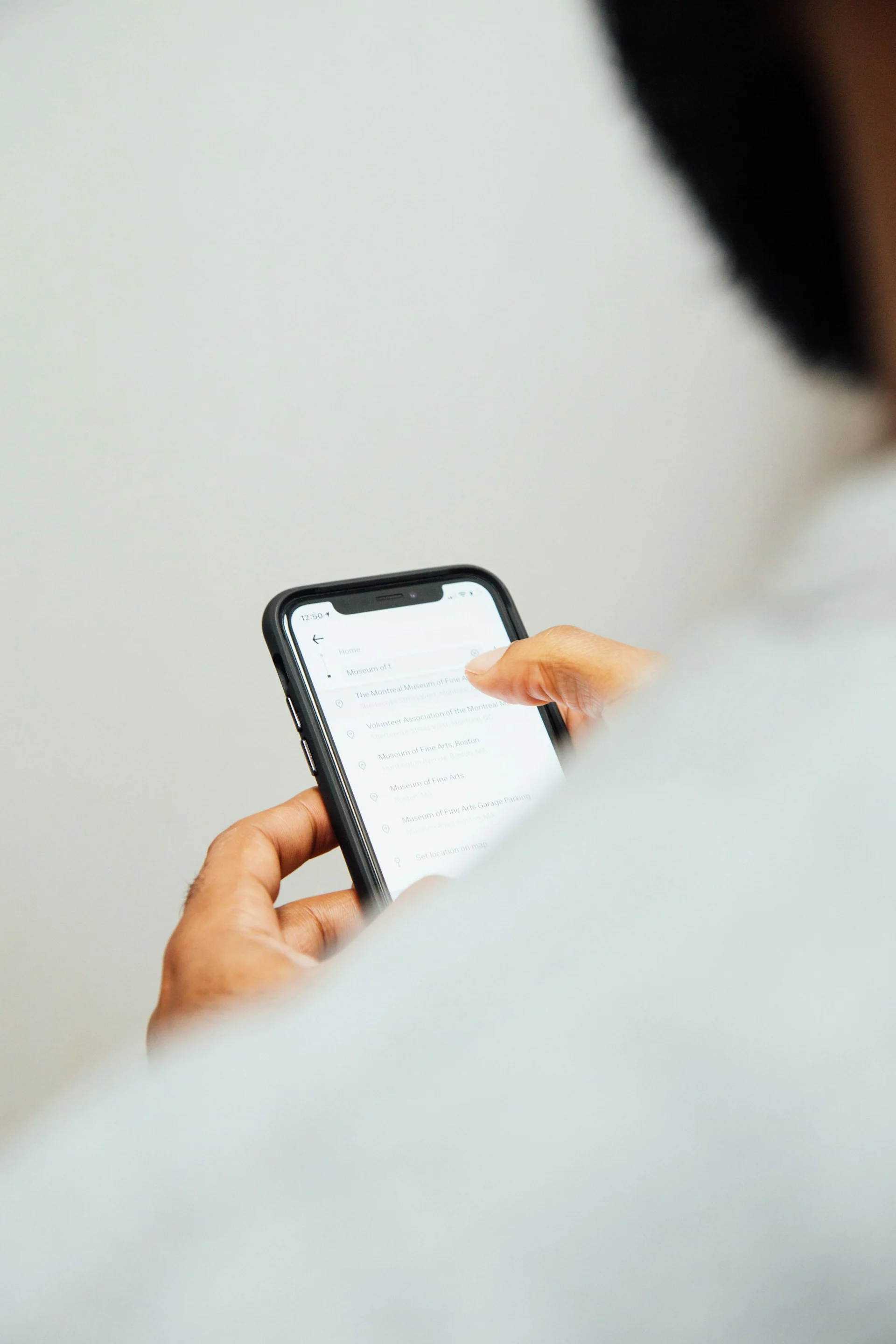
So while tapping a button feels tiny, constantly swiping through content could be the move that really wears your thumb down over time.
Tiny icons placed near the corners of the screen also ranked as more demanding than you might expect.
If you have ever stretched awkwardly to hit an ‘X’ button hiding in the top corner of an app, you already know the feeling.
Those little reaches force your thumb into less natural positions, especially on larger phones with taller displays.
Related

The research could change future phone design
The good news is that this research isn’t about telling everyone to ditch their beloved devices.
Instead, it could help inform app makers and gadget designers to create layouts that are easier and more comfortable to use every day.
As the senior researcher on this experiment, Dr. Antti Oulasvirta put it:
“Our model can be used to make predictions on how user interface design affects users’ performance and effort. The industry should pay more attention to ergonomics and the well-being of users.”
If certain gestures are shown to cause more strain, future apps could move key buttons into easier reach and reduce the need for awkward stretches.
It could also be a huge win for accessibility.
Smarter layouts and less demanding gestures may help users with reduced grip strength, limited mobility, or hand fatigue enjoy devices more comfortably.
Dr. Oulasvirta believes that the way we use phones in the future will change dramatically anyway:
“I think the mobile device will not be replaced, but it will see integration into an increasing number of displays and devices, specifically glasses and wearable devices.”
Until then, the next time your thumb feels tired after a long scrolling session, science says it might have a reason: swiping actions.
A short history of mobile phones
1973: Motorola makes the first handheld mobile phone call.
1983: Motorola DynaTAC 8000X goes on sale.
1992: The first ever text message is sent saying ‘Merry Christmas’
1994: IBM launches the IBM Simon.
1999: Nokia popularizes mobiles worldwide.
2000: Nokia 3310 becomes one of the most famous phones ever made.
2007: Apple unveils the first iPhone.
2008: Google launches Android devices.
2010: Front-facing cameras help selfies and video calls explode in popularity.
2020s: Foldable phones and AI features reshape the smartphone era.